How Easy It Is To Become Isolated After A Stroke

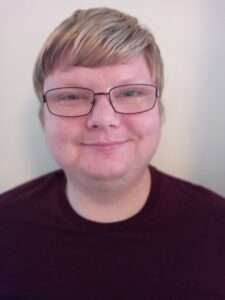
Picture of David Morten

David Morten

"At the age of thirty, I never expected to have a stroke. Unfortunately, that is exactly what happened, and a slew of other struggles soon presented themselves during my recovery. As a highly creative writer, I chose to use my skills to help other people in a similar situation so that we can all feel less alone during the aftermath of having a stroke at a young age."

There is a lot that happens to a person after a stroke. Most people will be able to notice the physical limitations that a stroke survivor has to contend with during their recovery. This is because they are easy to spot like a limp, weak hand, or a facial droop. Then there are other symptoms of a stroke that are gradually becoming more focused on. I know it is a good thing, but I have had so many doctors and other professionals talk to me about fatigue that I am ironically getting a bit tired of it.

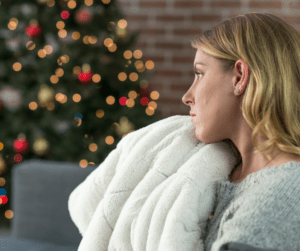
However, there is also another vitally important thing that happens after a stroke, and I find that very few people who talk about it. That is just how easy it is to become isolated.

There are several reasons why this happens, and I have noticed that it is something that comes in phases. Some weeks I will have a full social calendar and be busier than normal, then other weeks I will find that I am still quite lonely.

The first thing that isolates me is the fact that my lasting stroke symptoms are preventing me from doing the things I used to love. My favourite things to do is play guitar or play miniature role-playing games. Unfortunately, my affected limb is the one I used to play guitar and paint the tiny figures needed to play my silly games.

It has been over a year since my stroke, so I am much better at doing these things than when I first came home from hospital. However, it is looking like I will never be as good as I once was, which means I am doing these things less and less. Therefore, I am making less effort to get out of the house or see the friends I used to do these things with.

Secondly, my job keeps me quite isolated. Before my stroke, I worked remotely, but was more than capable of going to work parties and meeting colleagues when it was necessary. Sadly, I was made redundant from this job in September 2023, and I am currently freelancing whenever I can to make ends meet. As a result, I am working odd hours, and am earning far less than I used to. Therefore, it is harder to have a normal social life or keep up with hobbies.

How Easy It Is To Become Isolated After A Stroke

The last reason I find myself isolated is one I feel a lot of other stroke survivors are afraid to talk about, and that is shame. Whenever I go out to meet people, I am bombarded with questions. This can happen when I am meeting people I know quite well, or when I am trying to meet new people. I know that people only ask questions because they are concerned, but it is quite exhausting being the centre of attention and bringing up thoughts, feelings, and experiences I am not always comfortable talking about.

Then there are the chance encounters with strangers or passers by who feel it necessary to chime in with some horrific insults. I honestly have been called a stupid ‘cri**le’ in passing more times than I care to count. All this makes me feel a bit ashamed. Going out is no longer fun like it used to be. I have so many concerns to think about on top of socialising that it all seems a bit daunting. Therefore, I find it easier to hide away at home to avoid anything that makes me, or anyone around me, feel uncomfortable.

The important thing I want people to take away from this article is the ability to talk about this issue more freely. Also, learn that it is OK to admit new flaws. As an introvert, I never thought I would feel sad about missing out on an active social life. Now, I feel I need one more than ever.

Get support with challenging feelings after a stroke

If like David, you are living with the challenges caused by a stroke and would benefit
from speaking with others who understand, why not join us at our next virtual meeting?
Facebook
Twitter
LinkedIn

Join Our Mailing List

This field is for validation purposes and should be left unchanged.
Name
Email(Required)
Would you like to join our postal mailing list to receive physical newsletters in the post twice a year?
Address