
What Advice Do I Have To Share Over Three and a Half Years After My Stroke?
David Morten-Lawrence
“At the age of thirty, I never expected to have a stroke. Unfortunately, that is exactly what happened, and a slew of other struggles soon presented themselves during my recovery. As a highly creative writer, I chose to use my skills to help other people in a similar situation so that we can all feel less alone during the aftermath of having a stroke at a young age.”
It has been over three and a half years since my stroke unexpectedly changed my life at the age of thirty. In that time, I have had to learn to walk again, changed jobs, decided to retrain at college, and I have lost four stone. I am healthier than I have ever been, but I know that I still have a lot of difficult roads ahead.
With my stroke being so far in the rear-view mirror, anyone would expect me to have plenty of advice ready for anyone who has gone through something similar. The truth is, I don’t really have a lot of concrete ideas to help people get their lives back on track. Instead, I have had to make peace with the fact that my life will never be the same.
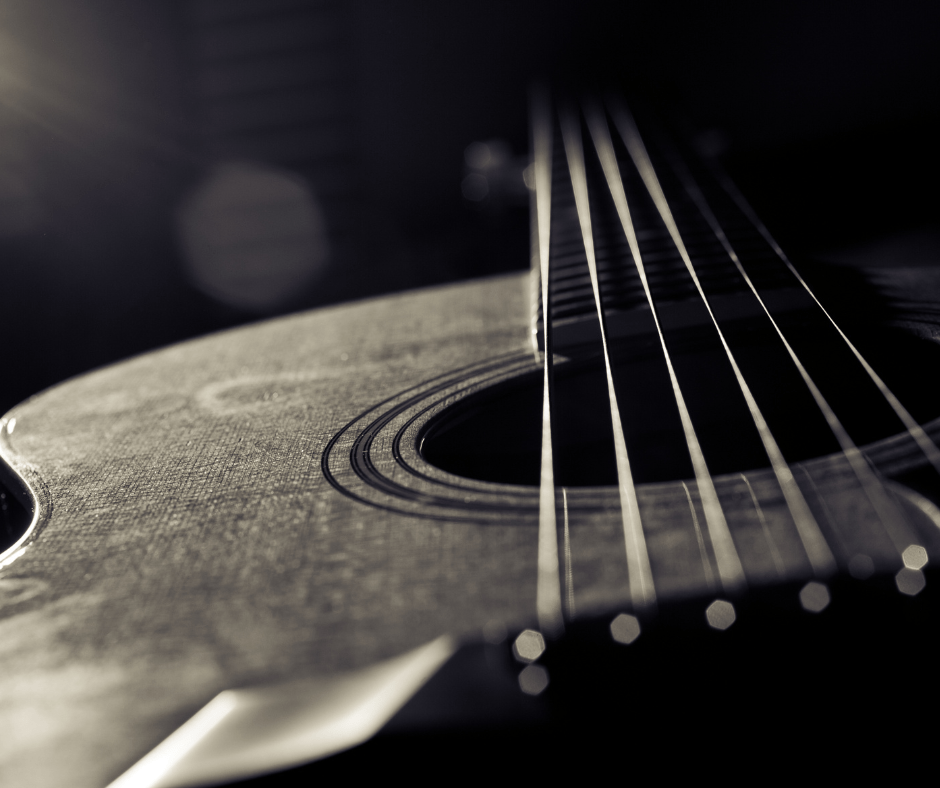
When I first arrived home after the hospital, the local stroke team told me that I would be able to get things back to normal if I just kept practicing using my affected side. Unfortunately, I could no longer play guitar after two years of surviving a stroke and I still can’t.
As such, I made the difficult decision to get rid of these instruments and move on. I haven’t found a creative substitute, but at least my guitars aren’t still gathering dust on the wall and mocking me.
In terms of learning to walk again, I have had many people ask me over the years if it is like how it is depicted in movies and TV, where a person learns to walk surrounded by physiotherapists in a room with support rails. They even get a groundswell of music when they suddenly go from not being able to walk at all to moving around as if nothing had happened.
Sadly, I often have to burst people’s bubble by telling them that this method of learning to walk again is only possible for fictional characters who have a lot of disposable income.
In reality, I had to slowly drag myself around for months on end, stumbling as if drunk in public (I have even been stopped by the police on multiple occasions in the past). What motivated me to this?
Fortunately, I had my wedding to look forward to in the coming year and wanted to be on my feet for that day. I gave me a goal, even though the months of inactivity caused me to gain so much weight that I cannot bare to look at many of the photos from that great day. Still, I got up every morning, put in my headphones, and walked as much as I can without becoming fatigued. I still go out walking those same routes when I have the chance.
When it comes to retraining and changing careers, I have to admit that this choice came from necessity rather than a bold, cinematic conclusion. I still want to train as a counsellor to help people who have had to endure the same struggles as me, but until that time I still get up every morning and work a part time job I am not fond of. This is mostly because money does not grow on trees and so I have to get back out there.
However, my wife has been great in supporting me during the harder times and would happily continue. Though, the current political climate makes it difficult for someone like me to take a rest and regroup. Certain news outlets would love to write a story about an unemployed, disabled millennial and I have been told by emboldened crowds in public how much they do not think I deserve to walk with a stick at my age.
While this all may seem a bit negative, I share this information as a means to get other stroke survivors moving again. Life is not like it is often depicted on the big screen. We move on because we have to, not because of some universal shifting realisation that comes at the last second to make everything return to normal. I share my experiences to highlight that, despite all my issues, I have still decided to continue onward. No matter the reason why, that is still the most important part of stroke recovery.
Get support with challenging feelings after a stroke

A Life-changing 5 Years
A Life-changing 5 Years! Colin Phillimore Colin is a stroke survivor, musician, poet and founder of the Different Strokes Poole group. After experiencing a stroke
Women’s Health and Stroke: Navigating Challenges
Women’s Health and Stroke: Navigating Challenges The NHS is home to some of the most skilled and dedicated healthcare professionals in the world, but for
Eating and Drinking after Stroke: Everyone’s Journey is Different
Eating and Drinking after Stroke: Everyone’s Journey is Different Alexander Lang Alexander Lang is a Doctoral Researcher at Anglia Ruskin University in Cambridge. He is