
Women’s Health and Stroke: Navigating Challenges
The NHS is home to some of the most skilled and dedicated healthcare professionals in the world, but for many women, navigating the healthcare system still comes with unique challenges. These challenges are not always about the quality of care, but about how health conditions present differently in women, how medical research has historically been conducted, and how personal circumstances shape healthcare experiences.
When it comes to stroke, these differences can be critical. According to the Stroke Association, women are more likely to die from a stroke than men, and they may experience different warning signs. Subtle symptoms like sudden confusion, changes in vision, or extreme fatigue can sometimes be mistaken for less urgent issues, delaying diagnosis and treatment.
Why Women’s Experiences Can Differ in Healthcare
For decades, much of the medical knowledge that supports treatment guidelines was drawn from studies that largely involved men, most often white men. This has influenced everything from how symptoms are recognised to how treatment outcomes are measured. This male-centred approach has created a gender health gap, where findings from men are generalised to everyone. Experts warn this bias can lead to medical gaslighting; when women’s symptoms are dismissed by doctors.
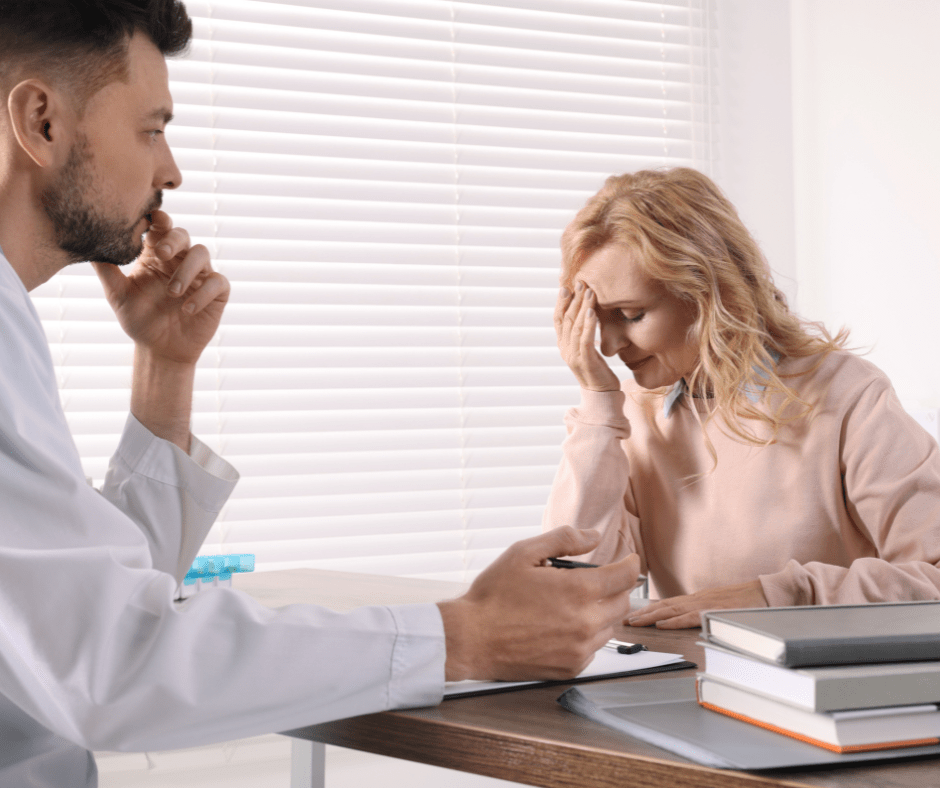
Medical gaslighting is when someone’s symptoms are downplayed or blamed on their emotions rather than investigated. Unconscious stereotypes are assumptions a clinician might make without meaning to, for example, assuming a young woman’s pain is anxiety. Both can make it harder for women to be taken seriously. The UK Women & Equalities Committee and other UK reports have raised this as a real problem affecting diagnosis and care.
Examples of differing experiences for women include:
- Stroke symptoms that look different. The NHS gives the FAST signs (Face, Arms, Speech, Time) because these are common and helpful, but it also lists other possible signs such as sudden confusion, severe headache, dizziness, nausea or fainting. Women can sometimes have these “non-classic” signs and so a stroke can be missed if only the classic picture is expected. That delay can cost precious treatment time.
- Reproductive health and pregnancy links. Events tied to pregnancy and the reproductive years affect stroke risk. Problems such as pre-eclampsia increase the chance of stroke during pregnancy and in the months after birth. Migraines with aura and some forms of hormonal contraception are also linked to different stroke risks. As early postpartum symptoms may be put down to tiredness or “baby blues,” warning signs can be overlooked unless clinicians are vigilant. UK maternity guidance and NHS information note these links.
- Limits of BMI and one-size-fits-all measures. BMI is still used across the NHS as a quick way to flag weight-related risk, but NHS guidance also warns that BMI thresholds were developed using different populations and may not fit everyone. Women’s bodies change across their lives (pregnancy, menopause) and people from different ethnic backgrounds can have different health risk at lower BMIs. That’s why healthcare professionals should look beyond the BMI number and assess risk in context.
- Women’s pain being minimised (and worse for women of colour). UK evidence and recent parliamentary inquiries show that many women feel their pain is normalised or dismissed, sometimes for years, which delays diagnosis and treatment. Reports and UK surveys also point to greater harms for women from ethnic minority backgrounds, who can face both racial and gender bias in pain assessment and care. This is increasingly recognised in UK policy discussions and health reviews.
Post-Stroke Challenges for Women
Recovery doesn’t stop when you leave hospital. For many women, life after a stroke comes with extra pressures and health concerns that can make recovery more complicated. Some of these are linked to gender roles, while others are because women’s health needs are often not fully understood in stroke care.
- Balancing caring roles: Many women are carers as well as patients – looking after children, elderly parents, or partners. After a stroke, rest and rehabilitation are vital, but caring responsibilities don’t always pause. It can be hard to put your own recovery first when others are depending on you.

- Mental health: Research has found that women are about twice as likely as men to experience severe depression after a stroke. Low mood, anxiety, and fatigue can make recovery harder and affect motivation to keep up with rehabilitation. When these emotional changes overlap with other health issues, it can be difficult to untangle what’s causing what.
- Menstrual health, contraception, and HRT: For some women, periods may change after a stroke. This can be due to medication (such as blood thinners), stress, or other health changes. Managing periods can also be harder if you have reduced strength or mobility. Contraception and hormone replacement therapy (HRT) can also become more complicated. Some types are not recommended after certain kinds of stroke, and many women find their options limited. Clear guidance is not always available, and this can be frustrating.
- Menopause and overlapping symptoms: Many post-stroke symptoms such as tiredness, memory problems and mood swings are also common during perimenopause and menopause. This overlap can make it difficult to know whether symptoms are linked to your stroke, hormones, or both. Unfortunately, stroke rehabilitation programmes rarely address these issues directly, leaving women to navigate them alone.
- Gaps in research: One of the biggest challenges is that there is still very little UK-based research into how stroke interacts with women’s reproductive health. This means that women often do not get clear or personalised advice, and health professionals may be cautious or unsure.
Practical Ways to Advocate for Yourself
While most healthcare professionals want to listen and help, time pressures, complex symptoms, and competing priorities can make it harder to feel fully heard. Here are ways to navigate this constructively:
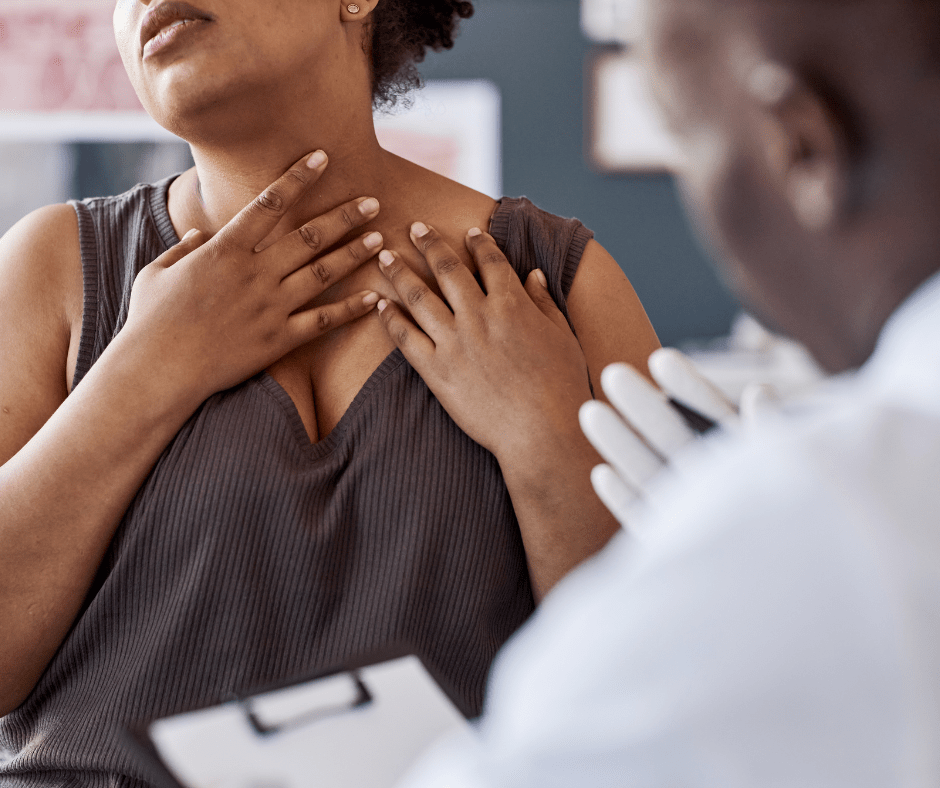
- Go to appointments prepared: Keep a symptom diary, note changes over time, and bring a written list of questions. For instance, if fatigue is your main concern, describe how it impacts daily life: “I can no longer go for a walk because I need to rest after just five minutes of activity.”
- Be specific and persistent: If something feels “not right,” trust your instincts. Rephrase and repeat important concerns so they’re clearly recorded in your notes.
- Ask for clarification: If a treatment plan is unclear, ask for a plain-language explanation or written summary to take home.
- Take someone with you: A friend or family member can provide emotional support, take notes, and help ensure your points are addressed.
- Know your options: You are entitled to seek a second opinion within the NHS. You can also ask for referrals to specialist clinics, for example: stroke rehabilitation teams, neuropsychologists, or women’s health physiotherapists.
A Shared Goal: Better Outcomes for Women
Women’s healthcare has started to see tangible improvements in recent years, supported by both policy changes and frontline initiatives. The Government’s Women’s Health Strategy for England (2022) has already led to practical actions, for example: the introduction of women’s health hubs in some NHS areas, where services like menopause support, contraception, and gynaecological care are available in a single, accessible location.
While these changes are not yet universal, they represent a move towards more equitable, person-centred care, with women’s voices and lived experience guiding service design. The more these examples are shared and adopted across the NHS, the closer we get to ensuring every woman feels seen, heard, and appropriately supported throughout her healthcare journey.
If you’ve had a stroke and want tailored advice, peer support, or help navigating the system, Different Strokes is here for you. Our community groups, virtual meetings, and targeted projects (like the Black and Asian Stroke Survivor (BASS) Project) work to ensure every survivor’s voice is heard.

Sources for this blog:
- Stroke Association, State of the Nation: Stroke Statistics (2023)
- NHS England, Women’s Health Strategy for England (2022)
- Public Health England, Health Inequalities: BMI Limitations and Population Differences
- Royal College of Physicians, National Clinical Guideline for Stroke (2023)
- uk Women’s Health Hubs: Core Specification (2024)
- Nurofen Gender Pain Gap Index Report Year 3 (2023)
- House of Commons Women and Equalities Committee report on Women’s reproductive health conditions (2024–25)
- King’s College London Article, Women twice as likely to suffer from severe depression after a stroke (2019)
You might also be interested in:

Understanding Unconscious Bias in Stroke Care
Understanding Unconscious Bias in Stroke Care Stroke is a medical emergency where every minute counts. Yet studies show that Black and South Asian people in the

Bridging the Gap: Understanding Cultural Barriers to Stroke Care in Black and South Asian Communities
Bridging the Gap: Understanding Cultural Barriers to Stroke Care in Black and South Asian Communities Stroke is a life-changing event that demands immediate medical attention