




Stroke survivors from different ethnicities learning Black and South Asian people in the UK have higher rates of stroke and its risk factors (like high blood pressure and diabetes) than White people.

Understanding Unconscious Bias
in Stroke Care

Stroke survivors from different ethnicities learning Black and South Asian people in the UK have higher rates of stroke and its risk factors (like high blood pressure and diabetes) than White people.

Stroke is a medical emergency where every minute counts. Yet studies show that Black and South Asian people in the UK have higher rates of stroke and its risk factors (like high blood pressure and diabetes) than White people. At the same time, research also finds that patients from minority ethnic groups often feel mistrust and even discrimination in the NHS. Part of the problem can be unconscious bias – the hidden assumptions and stereotypes that people (including doctors and nurses) may hold without realising. Unconscious bias can affect how symptoms are interpreted, how treatment is offered, and how people communicate with each other. In stroke care this is especially important, because delays or misunderstandings can lead to worse outcomes.

What is Unconcious Bias?

Unconscious bias means making quick judgments about others based on stereotypes, often without being aware. For example, a doctor might unintentionally assume a patient’s stroke symptoms are less serious because of their age, gender, or race. Or they might underestimate a patient’s pain or not give clear explanations, assuming that the patient won’t understand or care. This isn’t about bad intentions – rather it’s about habits of mind. But in healthcare it can have serious effects: if a patient’s concerns are brushed aside, they may not get urgent scans or treatment. As NHS patient safety leaders warn, “deeply ingrained… racial biases are routinely putting people in need of treatment at risk”.  Even medical tools and guidelines can reflect bias for instance, pulse oximeters (which check oxygen levels) work less accurately on darker skin, and newborn tests often rely on detecting ‘pink’ skin tone.

Importantly, unconscious bias cuts both ways. Health professionals may unknowingly treat patients differently, and patients may also feel biased themselves – for example worrying they won’t be heard, or feeling anxious when a clinician makes assumptions. A recent NHS Race & Health Observatory (RHO) survey found “alarming levels of… mistrust felt by Black, Asian and ethnic minority patients” towards NHS services. This mistrust is real: many people report feeling they are not taken as seriously or that their symptoms are attributed to other causes (like stress) instead of being investigated promptly. Similarly, some patients bring their own assumptions into appointments (e.g. thinking the doctor may not speak their language well), which can make communication harder.

UK research confirms that ethnic minority stroke patients often have worse outcomes and face delays. For example, Black and South Asian stroke patients in the UK tend to have strokes at younger ages, but also more disability afterward. In one UK study, ethnic minority patients had 2–4 times higher chances of adverse stroke outcomes. These gaps arise from many factors – from socioeconomic conditions to language barriers, but unconscious bias in care is one clear contributor. The NHS is built on fairness and has a duty not to discriminate: “staff have a duty not to discriminate against patients… and to adhere to equality and human rights law” (gov.uk). However, evidence (from the NHS’s own Race & Health Observatory and charities like the King’s Fund) shows that structural inequalities persist. For example, Black and South Asian people report longer waiting times, less information provided, or feeling rushed during consultations.

How Bias Affects Stroke Care

A man in a white coat is sat at a desk with his hands folded in front oh him. On his desk is a stethoscope, a blood pressure monitor and he is talking to patients about the risk of stroke being higher in different ethnicities

Unconscious bias can affect every step. In diagnosis, doctors might not recognise stroke symptoms as quickly if the patient doesn’t “fit the stereotype” of a stroke patient. In treatment, minority patients may be less likely to be offered advanced therapies or rehabilitation – perhaps due to assumptions about support at home or about the patient’s wishes. In communication, subtle cues (like body language or tone of voice) may change how seriously a patient’s symptoms are taken. For instance, surveys have found that “patient concerns are often dismissed leading to avoidable harm,” especially for women and ethnic minorities (guardian article). When patients sense they’re not being heard, they may delay seeking help in future, which can make strokes more dangerous.

The historical context matters too. The NHS was founded on equality, but over time it has inherited some of society’s biases. Legally, according to the constitution everyone has the right to NHS care “Irrespective of gender, race, disability, age, sexual orientation, religion, belief, gender reassignment, pregnancy and maternity or marital or civil partnership status. ” and staff pledge to treat all patientsfairly, equally and free from discrimination”. Yet reports by bodies like the King’s Fund highlight that health outcomes still vary widely by ethnicity. There are specific UK findings too: NHS data shows that ethnic minority patients have reported poorer experiences of care, and the government set up the Race & Health Observatory in 2020 precisely because of these ongoing gaps.

Practical Steps for Patients and Families:

 It’s important to know you have a voice and rights in your care. Here are some empowering tips:

Ask questions and speak up:

If something isn’t clear, or you feel your symptoms are not being taken seriously, politely ask for clarification. You can say things like, “Could you explain what that result means?” or “I’m concerned about X symptom.” Your questions can prompt doctors to double-check or give better explanations. Remember, asking questions is your right – the NHS Constitution guarantees you the right to be involved in decisions about your care.

A health environment about Understanding Unconscious Bias in Stroke Care because studies show that Black and South Asian people in the UK have higher rates of stroke and its risk factors (like high blood pressure and diabetes) than White people.

Bring an advocate or family member:

If you feel anxious or think you might forget to mention something, bring someone you trust to appointments. They can take notes, ask questions, or speak up if needed. Research shows that people from “more advantaged backgrounds” often know what to ask for and have advocates helping them. You don’t need a special reason to have someone with you – it could be a family member, friend, or even a community support worker. They can help ensure you get all the information and support you deserve.

Students in the UK from different ethnic minorities learning that studies show that Black and South Asian people in the UK have higher rates of stroke and its risk factors (like high blood pressure and diabetes) than White people.

Use interpreter or translation services:

If English isn’t your first language or you feel more comfortable in another language, ask for a medical interpreter. NHS trusts must provide interpreting or translation services. You could also bring written notes in your language or ask for translated info leaflets. Good communication is crucial, especially with stroke (e.g. when explaining speech or understanding difficulties).

A lady in the UK from an ethnic minority learning that studies show that Black and South Asian people in the UK have higher rates of stroke and its risk factors (like high blood pressure and diabetes) than White people.

Prepare and document:

Before a hospital visit or GP appointment, write down your symptoms and questions. Afterward, note down what was said. Having a written record helps avoid misunderstandings. Also keep copies of any letters or reports. This makes sure that no information “slips through the cracks” due to rushed consultations.

Picture of a student in the UK from an ethnic minority learning that studies show that Black and South Asian people in the UK have higher rates of stroke and its risk factors (like high blood pressure and diabetes) than White people.

Understand your rights:

You have the right to good quality care without discrimination. If you ever feel unsafe or unfairly treated, you can raise a concern with the hospital’s Patient Advice and Liaison Service (PALS) or make a formal complaint. The Equality Act 2010 and NHS guidelines protect patients from bias. The NHS Constitution explicitly says healthcare staff must treat everyone equally. You can mention this if you feel it’s needed.

A man in the UK from an ethnic minority, on a computer learning that studies show that Black and South Asian people in the UK have higher rates of stroke and its risk factors (like high blood pressure and diabetes) than White people.

Use patient resources:

Stroke charities (like the Stroke Association) and community health groups often have guides in multiple languages and culturally tailored advice. They can also help you find peer support groups where others share experiences.

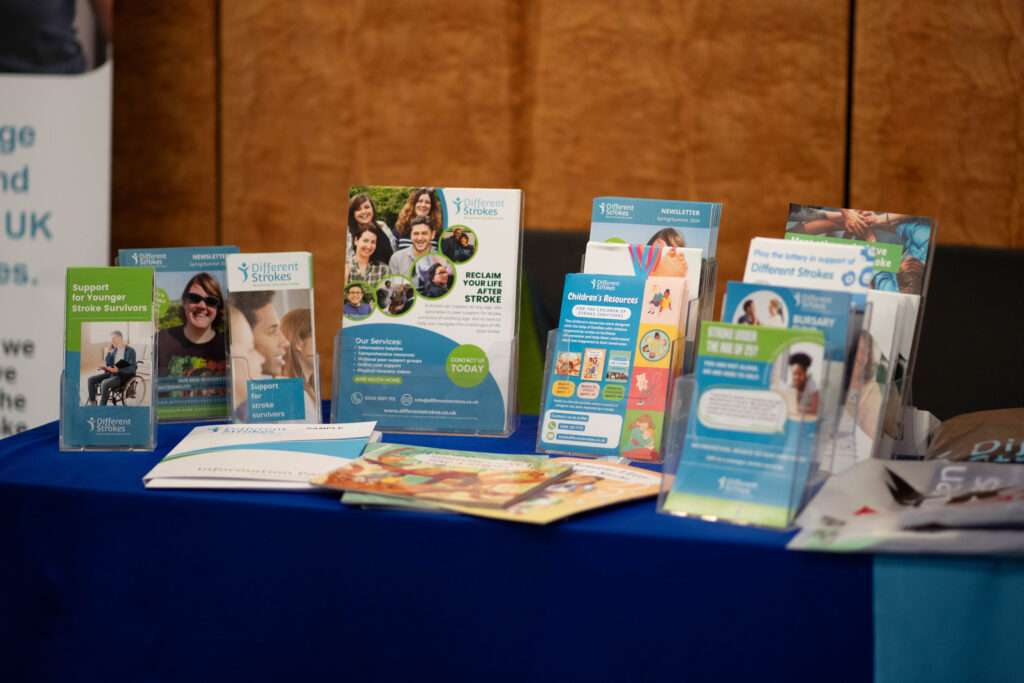
Different Strokes resources to help survivors learn more about the fact that studies show that Black and South Asian people in the UK have higher rates of stroke and its risk factors (like high blood pressure and diabetes) than White people.

Above all, trust your instincts. You know your body best. If something feels wrong, insist on being checked. Be polite but assertive. Doctors and nurses generally want to help – many also welcome questions and input from patients and families. By working together, you reduce the chance that any hidden bias will stand in the way of your care.

Being aware of unconscious bias is not about blaming individuals; it’s about recognising systemic issues so we can address them. The NHS is committed to learning and improving – for example, patient safety experts are now spotlighting how biases can distort care and urging training for staff. But change also comes from patients and communities voicing their needs. As one patient peer reviewer noted, having “advocates to argue on your behalf” should not be a privilege of the well-off. You too can be your own advocate. By asking questions, bringing support and knowing you have rights, you help ensure that every stroke patient receives the fair, high-quality care the NHS strives to provide.

Sources for this blog:

You might also be interested in:

Join Our Mailing List

This field is for validation purposes and should be left unchanged.
Name
Email(Required)
Would you like to join our postal mailing list to receive physical newsletters in the post twice a year?
Address