Understanding Stroke in Black and South Asian Communities
Stroke is one of the leading causes of disability and death in the UK, yet awareness and access to post-stroke care remain lower in some communities than others.
Research shows that Black people are twice as likely to have a stroke as White people, and South Asians face a 25-50% higher risk. Despite these worrying statistics, many people from these communities are unaware of their increased risk or may not recognise the symptoms of stroke when they occur.
We want to explore why these disparities exist, the cultural and social factors involved, and how the BASS Project is working to improve outcomes for Black and South Asian stroke survivors.
Why Are Black and South Asian People at Greater Risk of Stroke?
There are several contributing factors to higher stroke rates in Black and South Asian communities:
- Underlying Health Conditions: Conditions such as high blood pressure, type 2 diabetes, and heart disease are more prevalent in these communities — all of which increase stroke risk. For example, Type 2 diabetes is up to six times more common in South Asian people.
- Genetics: Some genetic factors increase vulnerability to hypertension and diabetes, particularly in African and South Asian populations.
- Lifestyle Factors: Diet, physical inactivity, and smoking rates can also contribute. While these risks are not exclusive to any one group, they tend to be more concentrated in certain communities due to cultural habits or economic barriers.
The combination of these factors means that Black and South Asian people often experience strokes at a younger age than White individuals — in some cases, 10 years earlier.
Cultural and Social Barriers to Stroke Awareness and Care
Although health conditions play a significant role, cultural and social barriers often make it harder for people in these communities to seek support. Here are some examples:
- Lack of Awareness: Many people simply don’t realise they are at greater risk. There’s a common misconception that stroke only affects the elderly, yet the reality is that younger people in Black and South Asian communities are at higher risk.
- Stigma and Cultural Beliefs: In some communities, health problems — particularly conditions that affect mobility or speech — can carry stigma. Some individuals may avoid seeking medical help out of fear that their condition could reflect poorly on their family.
- Family Dynamics: In close-knit communities, families often prefer to provide care themselves rather than accessing professional rehabilitation services. While family support is vital, professional therapies can significantly improve recovery outcomes.
- Language Barriers and NHS Navigation: Some individuals — particularly first-generation immigrants — may struggle to understand how to access NHS services or may have concerns about being misunderstood by healthcare providers. This can result in missed appointments, delayed diagnoses, or a failure to access specialist stroke services.
- Mistrust of Healthcare Services: Research from the NHS Race and Health Observatory found that some people from Black and South Asian backgrounds reported feeling unheard, misunderstood, or poorly treated when accessing healthcare. Such experiences may discourage people from seeking timely care.
Breaking Down Barriers: The Role of the BASS Project
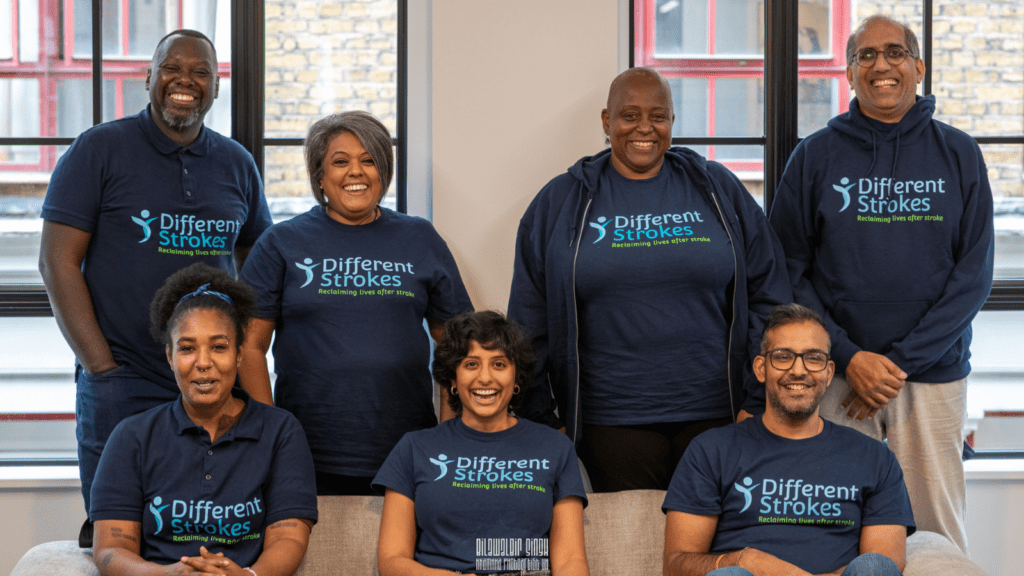
Our Black and Asian Stroke Survivors (BASS) Project was launched to address these challenges and improve outcomes for stroke survivors in Black and South Asian communities.
Through the BASS Project, we are working to:
- Raise awareness of stroke risk factors and symptoms in culturally appropriate ways.
- Create multilingual resources to improve access to key health information.
- Build relationships with community and religious leaders to ensure trusted voices are spreading awareness.
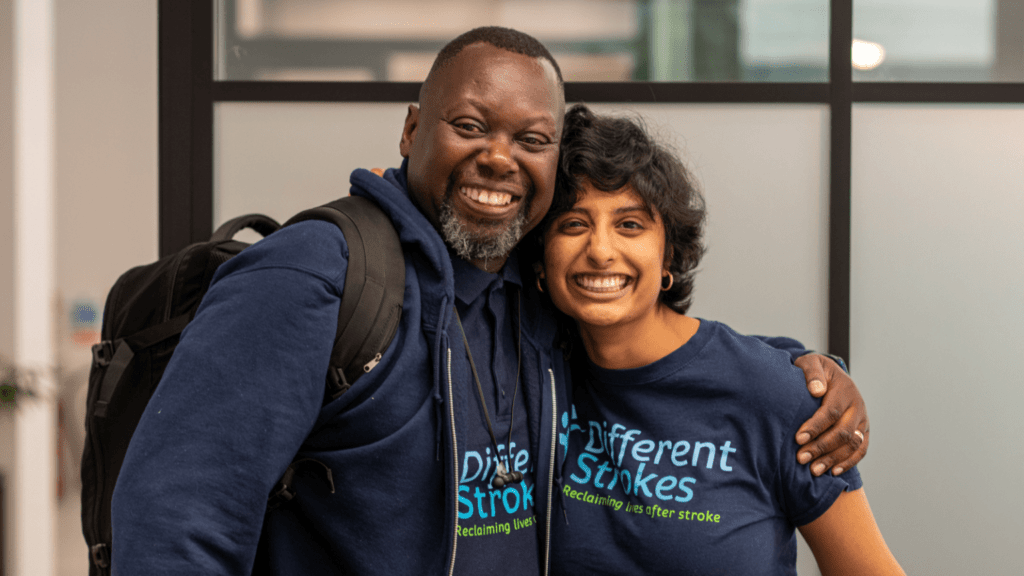
- Encourage stroke survivors from these communities to become BASS Ambassadors, sharing their stories and helping others access support.
- Develop relationships with healthcare workers to further understanding of the cultural needs of diverse communities.
By increasing awareness, breaking down stigma, and promoting earlier intervention, we hope to reduce the number of people who suffer severe long-term effects from stroke.
A Way Forward: How We Can All Help
Improving stroke outcomes in Black and South Asian communities requires collective action. Here’s what we can all do:
- Encourage open conversations: Discussing stroke risk factors and symptoms with friends, family, and colleagues helps challenge stigma and improve awareness.
- Support accessible healthcare: Services must reflect the cultural and linguistic needs of diverse communities. If you work in healthcare, ensure materials are clear, inclusive, and representative.
- Challenge assumptions: Stroke can happen to anyone, at any age — especially in communities at higher risk. Don’t overlook key symptoms like facial weakness, arm weakness, or slurred speech — always remember to Act FAST.
The BASS Project is here to support both stroke survivors and healthcare providers in improving outcomes for Black and South Asian communities.
Sources:
NHS Race and Health Observatory Report (2021) – A detailed exploration of ethnic health inequalities in the UK healthcare system.
Stroke Association – Research on stroke risk factors in ethnic minority communities.
The King’s Fund – Insights into healthcare inequalities and strategies for improvement.

A Life-changing 5 Years
A Life-changing 5 Years! Colin Phillimore Colin is a stroke survivor, musician, poet and founder of the Different Strokes Poole group. After experiencing a stroke

What Advice Do I Have To Share Over Three and a Half Years After My Stroke?
What Advice Do I Have To Share Over Three and a Half Years After My Stroke? David Morten-Lawrence “At the age of thirty, I never
Women’s Health and Stroke: Navigating Challenges
Women’s Health and Stroke: Navigating Challenges The NHS is home to some of the most skilled and dedicated healthcare professionals in the world, but for