The 10 Best Shoes for Stroke Survivors – As Recommended by Our Community

Best Shoes for Stroke Survivors

After a stroke, even the simplest daily tasks can suddenly become a challenge — and one of the most commonly mentioned struggles in our community is finding the right shoes.

Whether it’s due to foot drop, balance issues, swelling, weakness, or the need to accommodate an AFO (ankle-foot orthosis), the wrong footwear can hold you back or even put you at risk of falling.

The search for suitable shoes can feel frustrating. Many stroke survivors tell us that they’ve tried pair after pair — only to find they’re too narrow, too loose, don’t support their ankle, or just aren’t practical for one-handed use. That’s why we asked our online community to share what really works for them: shoes that they’ve tried, tested, and continue to wear after stroke.

The result? A brilliant range of suggestions from survivors of all ages and abilities — from comfy slip-ons to stylish trainers that support AFOs, and sturdy walking shoes that offer balance and confidence. Some are ideal for wide feet or swelling, others are perfect for one-handed fastening or zipping. This list brings together the most helpful recommendations from stroke survivors themselves — not just what looks good on paper.

In this blog, you’ll find the most popular and recommended shoes — all recommended directly from the lived experiences of stroke survivors.

We’ve also added notes on key features, what to look for, and why each one might work well depending on your recovery journey. Whether you’re newly navigating life after stroke or several years into your recovery, this guide is for you. Every step matters — and the right shoes can make a real difference.

1. Skechers Slip-Ons

Why people love them: Easy to slip on, AFO-compatible (in certain styles), comfortable and widely available.

Ideal for: Everyday wear, especially if you need support with foot drop or use a splint.

💬 “Sketchers slip-ons, one size bigger to allow for AFO. Use extra thick socks on unaffected foot – works for me.”

2. Friendly Shoes

Why people love them: Designed by health professionals, zip access, wide fit, and great for AFOs or swollen feet.

Ideal for: People with limited mobility or dexterity, and those using orthotics.

💬 “A lot of their trainers can be zip-fastened and are designed with grip and AFO use in mind.”

3. Billy Footwear

Why people love them: Zip-around entry makes them easy to get on and off with one hand or while seated.

Ideal for: People with hemiparesis or fine motor challenges.

💬 “No more fighting to get shoes on. They’re a game changer.”

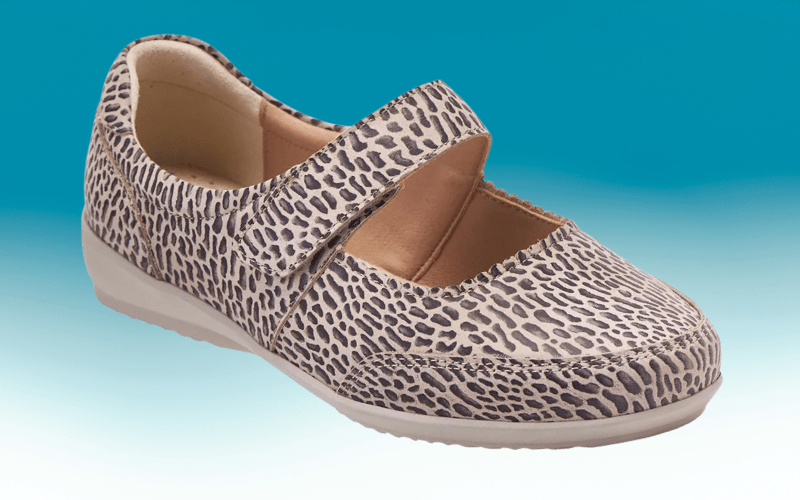
4. Cosyfeet

Why people love them: Designed for wide/swollen feet, VAT-free for eligible stroke survivors, and Velcro options.

Ideal for: Indoor wear, post-stroke swelling, and comfort.

💬 “Some styles are a bit ‘old’, but they last for ages and are VAT-free!”

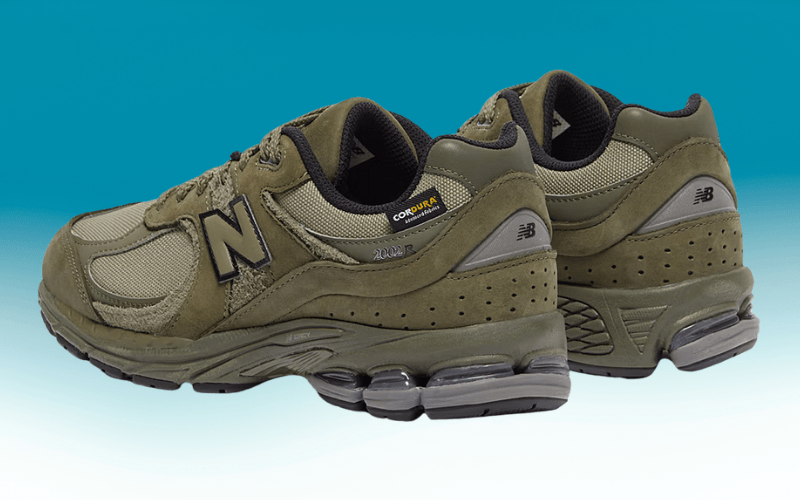
5. New Balance

Why people love them: Half sizes, good compatibility with TurboMed AFOs, and firm structure.

Ideal for: Those needing reliable foot support and orthotic compatibility.

💬 “They work great with my TurboMed AFO and I feel more stable with them.”

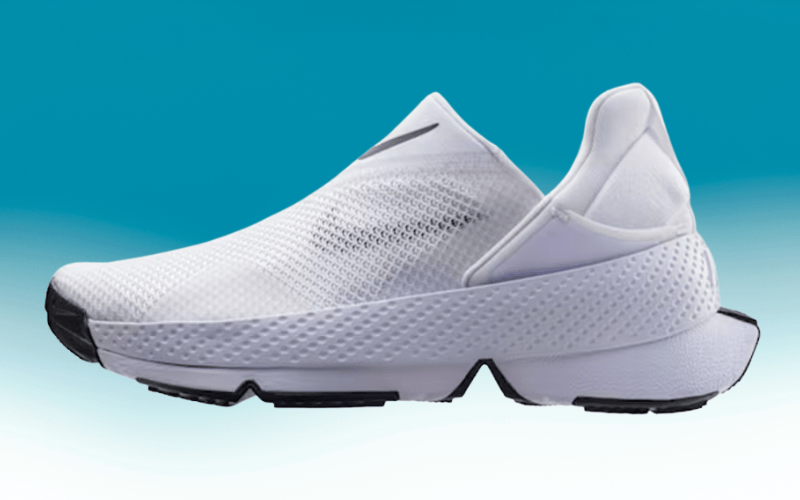
6. Nike Easy On

Why people love them: Slip-on design, sturdy sole, and stylish.

Ideal for: Stroke survivors wanting independence without compromising on style.

💬 “No laces and a bit of a battle, but once they’re on – they’re brilliant!”

7. FitVille

Why people love them: Lightweight, AFO-friendly, orthotist recommended.

Ideal for: Casual wear, especially with an AFO.

💬 “Great when I used an AFO. Light, comfortable and wide.”

8. DCs & Etnies (Skate Trainers)

Why people love them: Flat soles and a wide base offer solid balance support.

Ideal for: Younger stroke survivors looking for stability without losing their style.

💬 “The flat base gives me a nice sturdy feel.”

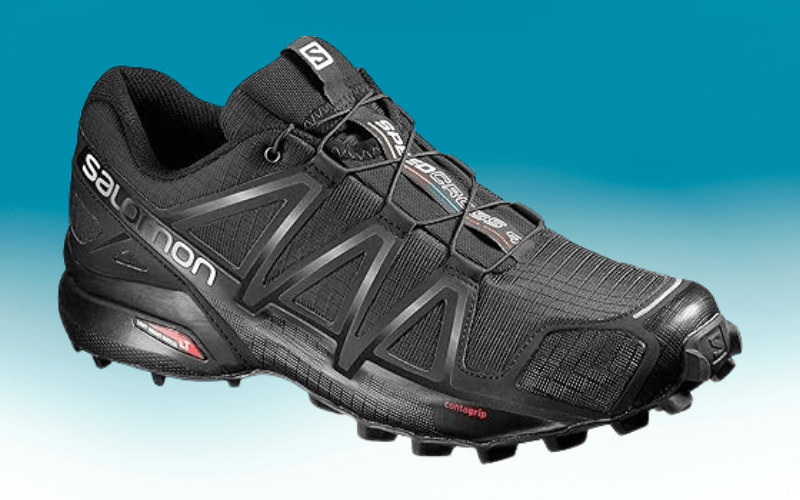
9. Salomon Speedcross

Why people love them: Hard soles for balance, secure fit without laces.

Ideal for: Survivors who need a firm base and no soft foam support.

💬 “Same ones I used to trail run in. No laces, hard sole, perfect for balance!”

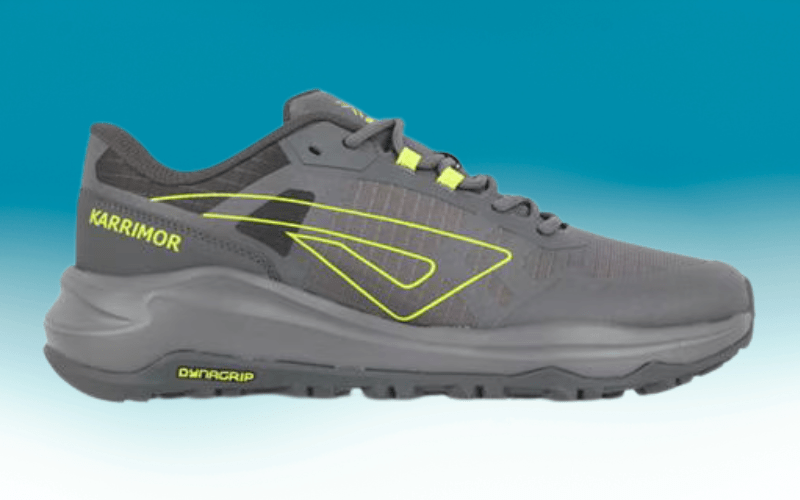
10. Karrimor Trainers

Why people love them: Budget-friendly and reliable for walking.

Ideal for: Casual outings and general use.

💬 “I do ok in my Karrimor trainers. Proper shoes feel awkward now.”

Tips for Choosing the Best Shoes for Stroke Survivors

  • Look for adjustable fastenings – Velcro, zips, or elasticated laces make shoes easier to manage one-handed.

  • Prioritise grip – Choose soles with good tread to reduce your risk of slipping.

  • Test for stability – A wide base and firm heel support can help with balance.

  • Allow space for swelling or AFOs – Brands that offer wide or extra-depth options may be better suited.

  • Avoid flimsy or flat shoes – Thin-soled or unsupportive shoes might increase fatigue or risk of falls.

Final Thoughts: The Right Shoes Can Be Life-Changing

Choosing shoes after a stroke isn’t just about comfort — it’s about safety, independence, and confidence. The shoes on this list were all recommended by people who truly understand what it’s like to relearn how to walk, balance, and move after stroke. We hope this guide gives you a head start, saves you time (and returns!), and makes your next steps feel a little easier.

And remember: what works for one person might not work for another. Try different styles, listen to your body, and don’t be afraid to ask your physio or orthotist for guidance. Your feet — and your future self — will thank you.

Facebook
Twitter
LinkedIn

A Life-changing 5 Years

A Life-changing 5 Years! Colin Phillimore Colin is a stroke survivor, musician, poet and founder of the Different Strokes Poole group. After experiencing a stroke

Read More »

Join Our Mailing List

This field is for validation purposes and should be left unchanged.
Name
Email(Required)
Would you like to join our postal mailing list to receive physical newsletters in the post twice a year?
Address