
Eating and Drinking after Stroke: Everyone’s Journey is Different


Alexander Lang
Alexander Lang is a Doctoral Researcher at Anglia Ruskin University in Cambridge. He is a stroke specialist dietitian with many years of experience working with stroke survivors and carers.
Dr Sanjoy Deb
Dr Sanjoy Deb is an Associate Professor in Nutrition and Exercise Science with a special interest in developing evidence-based nutrition interventions for recovery post-stroke.
Eating and drinking after a stroke can be one of the biggest challenges people face, but it’s often the least talked about. Food can suddenly feel unfamiliar. Swallowing may be difficult. The energy to eat might not be there. For some, meals that once brought comfort and connection become stressful or even frightening.
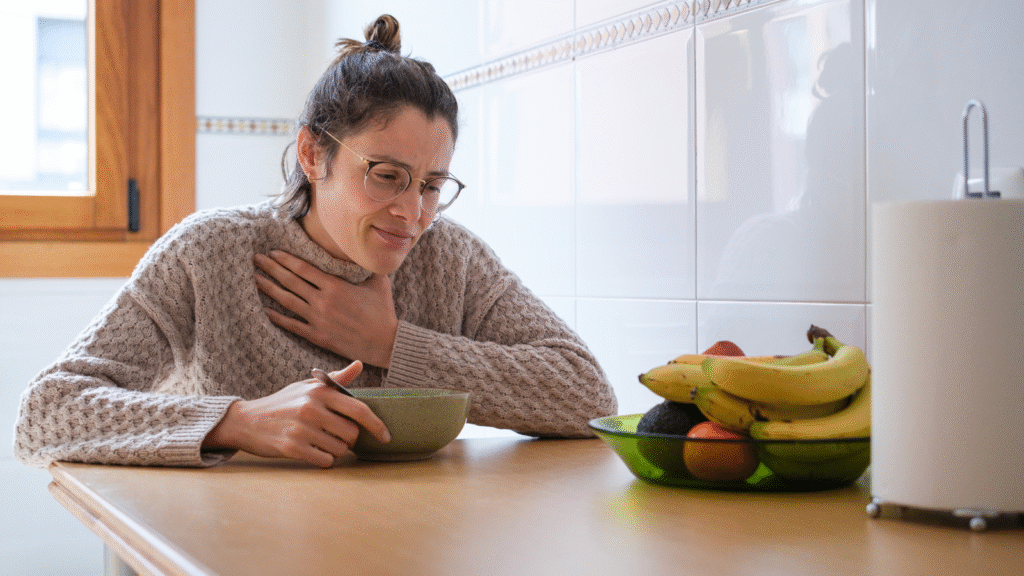
For many people, a stroke changes not only what they can eat and drink, but how they experience food altogether. Every stroke is different, and so too is the journey to recovery. Some survivors face physical changes such as weakness on one side of the body, making self-feeding harder, or problems with swallowing (known as dysphagia) that make eating unsafe or uncomfortable. Others find that their taste and appetite change, or that low mood, fatigue, or communication difficulties reduce their motivation to eat.
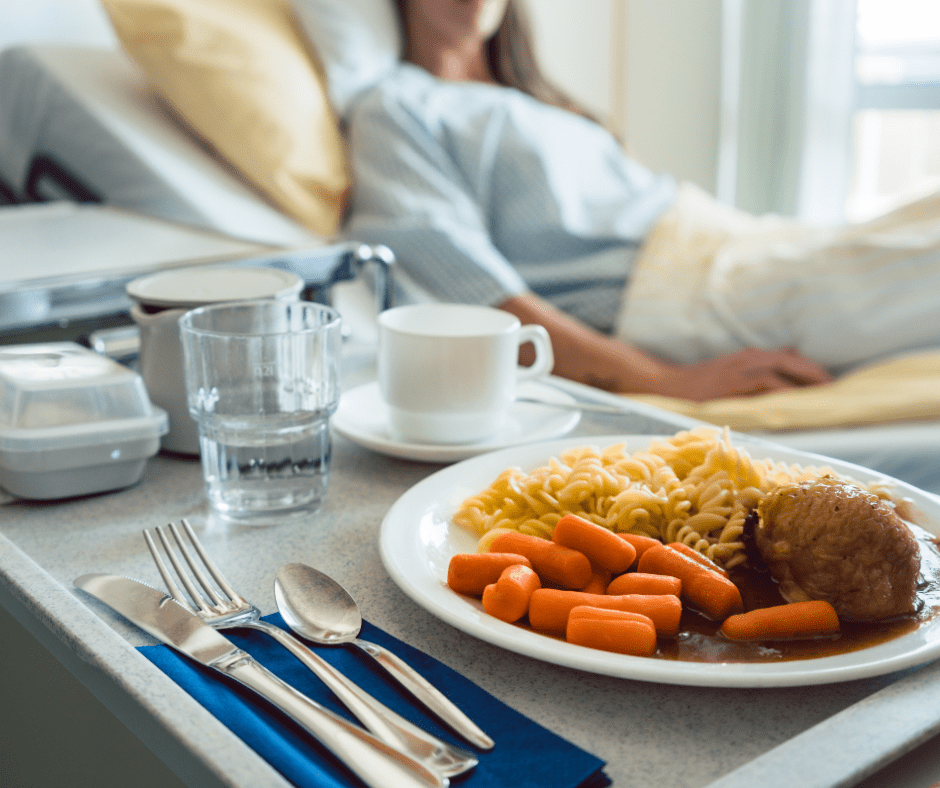
In hospital, survivors may struggle with meals that don’t suit their preferences, or with limited support to help them eat. Some need temporary tube feeding, while others remain dependent on it long after discharge.
Why nutrition matters for stroke recovery
Not eating enough after a stroke can have serious consequences. Many stroke survivors experience difficulties with swallowing, reduced appetite, or changes in mobility and mood. If this continues over time, it can lead to weight loss, and even malnutrition.
Malnutrition doesn’t just affect the body. It also impacts the mind too. It can cause a loss of muscle and fat, making everyday tasks harder and slowing down recovery. It can also affect mental wellbeing, leading to fatigue, low mood, and reduced motivation. Stroke survivors may also have low levels of important vitamins and minerals that support brain health and recovery.
Eating well to prevent another stroke
What stroke survivors eat and drink doesn’t just support rehabilitation and recovery, it also plays an important role in preventing another stroke. Many people are advised to make changes to their diet. This can help to manage conditions like high blood pressure, diabetes, and high cholesterol that contribute to our risk of stroke. These changes, alongside taking prescribed medication and staying active, can significantly reduce the risk of another stroke.
What we did and who took part
To help provide a better understanding of stroke survivors’ and carers’ experiences of the nutritional care and advice they received following stroke, a group of researchers from Anglia Ruskin University and the University of Cambridge have undertaken a research study to explore this topic further.
We spoke with 24 people – 12 stroke survivors and 12 carers (most commonly a spouse or a child) who generously shared their experiences with us. The group included an equal number of men and women, who came from a range of different backgrounds, ages, and different parts of the UK. Many of the participants were younger adults, aged between 18 and 34, although some were older. The oldest person we spoke to was 74 years old. Ethnically, the group was diverse too. Nine people identified as white British, while the rest were from Black, Asian, or mixed ethnicity. On average, the person’s stroke happened about two years ago but for some it was as recent as a few months ago and some in the group had been living with the effects of stroke for over a decade.
What was involved

Each person who took part had a one-to one online interview with one of the researcher team. These conversations focused on how the stroke had affected their eating and drinking and what support they had received, both in hospital and at home. We asked about their overall wellbeing and quality of life, what nutritional advice they were given, and whether anything was missed.
Importantly, we also asked them to share ideas about what kind of support would make a difference to stroke survivors and carers in the future. Once all the interviews were completed, the research team carefully analysed the conversations. Common themes and experiences were identified.
What we found
Eating after a stroke is complicated
For many survivors, eating and drinking after a stroke isn’t just physically difficult; it’s emotionally draining, too. Carers shared their experience with us:
“He lost his memory. It was always the physical side people focused on — can he hold a spoon, can he swallow — but I knew he would eat if he could remember it.”
Another described how mental health affected her loved one’s appetite:
“He lost a lot of weight because he wasn’t opening up in hospital — he was not eating, he had a lot on his mind.”
It’s easy to assume eating problems are just about swallowing and feeding, but for many people, they’re linked to mood, memory, and confidence. When healthcare teams only focus on the physical, other things that make it hard to eat enough can be missed.
One survivor shared how small communication adjustments made all the difference:
“I didn’t understand words, so eventually one of them gave me pictures of my food and pointed out things I liked….the pictures really helped me understand.”
Every stroke survivor’s challenges are unique, and so are the solutions. Recognising the emotional and cognitive sides of eating after stroke is as important as managing the physical ones.
One-size doesn’t fit all
An important message was to make nutrition personal and that a one-size-fits-all approach to nutrition does not work. Stroke survivors and carers spoke about how vital it is for food and drink to reflect each person’s identity, culture, and individual preferences:
“I think you can see from the examples I’ve given that if I had just given him a generic diet, we wouldn’t have got on as far”
“I think if you could personalise it, it would make such a difference”
People highlighted the need for timely and tailored advice, especially when it comes to food choices that feel familiar and comforting. Many felt that cultural food preferences weren’t always considered. More menu choices that better reflect what people eat at home could make a big difference to their recovery and wellbeing.
“It was so hard for the family, for him also, because that was not what he was used to… I think more advancement should be in culturally centred recovery”
Respecting cultural food preferences is not just important for meeting someone’s nutritional needs, but also for supporting their emotional and social wellbeing. To truly support stroke survivors and their carers, especially those from diverse communities, change is needed.
Eating back at home is difficult
One of the strongest messages from our conversations was just how challenging it can be to return to eating and drinking at home after a stroke. Many people spoke about how valuable it was to receive support, hands-on training, and clear information from healthcare professionals before leaving hospital. One young carer felt well-prepared:
“For me, I think I received everything that I needed at that time to improve the well-being of my dad”
Although not everyone had the same experience. In fact, many people described feeling overwhelmed and underprepared once they got home. One carer recalled her experience:
“The experience was so overwhelming. The doctors and the therapists they tried to give us a lot of information that personally I found so hard to absorb in the middle of such an emotional crisis. But we had to”

For carers, especially those supporting someone with swallowing difficulties, the responsibility of preparing safe and suitable meals adds a lot of stress. Modifying food and drinks correctly can be daunting, and many felt they needed more guidance and ongoing support to manage this confidently. One carer told us about the differences they noticed:
“It was a careful process, especially after having the hospital staff handle it for so long. I became, yeah. I became more aware of how slow things needed to go. I remember meals took longer, but we had to be patient to make sure that we weren’t rushing him”
This is why personalised guidance at discharge from the hospital is so useful. When carers feel properly equipped with practical advice and training, it can make a huge difference in reducing stress and ensuring safety at home.
Information and confidence in what and how to eat
Many stroke survivors and carers shared how important it is to know what to eat and drink. This meant having access to clear, trustworthy nutritional information. When this kind of support was available, it helped people feel more confident, capable, and even empowered in their recovery journey. One carer told us:
“The more information people have…the better they can understand the role that nutrition has, you know, plays in the recovery process…if you’re better informed you feel more in control, more empowered”
Some participants took matters into their own hands though. They did their own research and built their own understanding:
“I did Google searches and things I did not always the best thing to do, but in the absence of anything else…”
But others struggled to find reliable guidance, which led to stress and confusion. Two carers noted:
“Since then, I haven’t received any other training. I’m just, you know, doing it all alone with assistance or for the family members”
“It has impacted me. You know, taking all my time, my energy, you know, it’s been stressful”
It wasn’t just what information was given that mattered. It was also how and when it was shared. The format and timing made a big difference in whether the advice was useful or overwhelming.
The message from stroke survivors and carers is clear – what they want is for nutrition advice and information that is flexible and accessible to everyone. They called for nutritional guidance that comes in different formats. Whether that’s printed materials, videos, or in-person conversations, it means that everyone, including those who aren’t confident with technology or who face communication barriers, can benefit. There was also a clear desire for support rooted in real-life experience. Many felt that peer support and advice from others who’ve been through stroke recovery would be extremely valuable.
Looking ahead – building better nutritional support together
Our conversations have produced powerful insights from a diverse group of stroke survivors and carers about the nutritional care they received. While everyone’s journey is different, there are similarities in the stories we have heard. The next stage of our work will build on these findings. We’ll be working closely with stroke survivors and carers to co-design practical, meaningful solutions that address the gaps in nutritional care.
We would like a say a big thank you to all the stroke survivors and carers who participated in this study. We hope that the learning and greater understanding gained from hearing about these experiences will help improve the nutritional care for stroke survivors and their carers in the future.

Get support with challenging feelings after a stroke
A Life-changing 5 Years
A Life-changing 5 Years! Colin Phillimore Colin is a stroke survivor, musician, poet and founder of the Different Strokes Poole group. After experiencing a stroke

What Advice Do I Have To Share Over Three and a Half Years After My Stroke?
What Advice Do I Have To Share Over Three and a Half Years After My Stroke? David Morten-Lawrence “At the age of thirty, I never
Women’s Health and Stroke: Navigating Challenges
Women’s Health and Stroke: Navigating Challenges The NHS is home to some of the most skilled and dedicated healthcare professionals in the world, but for