
Coping with Isolation at Christmas: A Guide for Stroke Survivors
The festive season is often portrayed as a time of joy, connection and celebration. However, for many stroke survivors, it can feel very different. Christmas can amplify feelings of loneliness, loss and change – especially if your life looks and feels very different from before your stroke.
If you’re finding the festive period emotionally difficult, please know this: you are not alone, and your feelings are completely valid. Christmas is not easy for everyone and there is no “right way” to experience it.
In this blog, we share some gentle ideas and advice that might help you feel more grounded, connected and supported over the holidays.
When Christmas Feels Different After Stroke
Many survivors tell us that Christmas brings a sense of longing for the life they had before. Perhaps you’re coping with fatigue, mobility changes, loss of independence, or communication challenges.
Maybe your friendships have shifted, or you no longer feel able to join in the way you used to.
It’s important to remember:
- Christmas does not have to look the same every year, and it certainly doesn’t have to look like anyone else’s.
- Your experience is your own and it is okay if this season feels complicated.
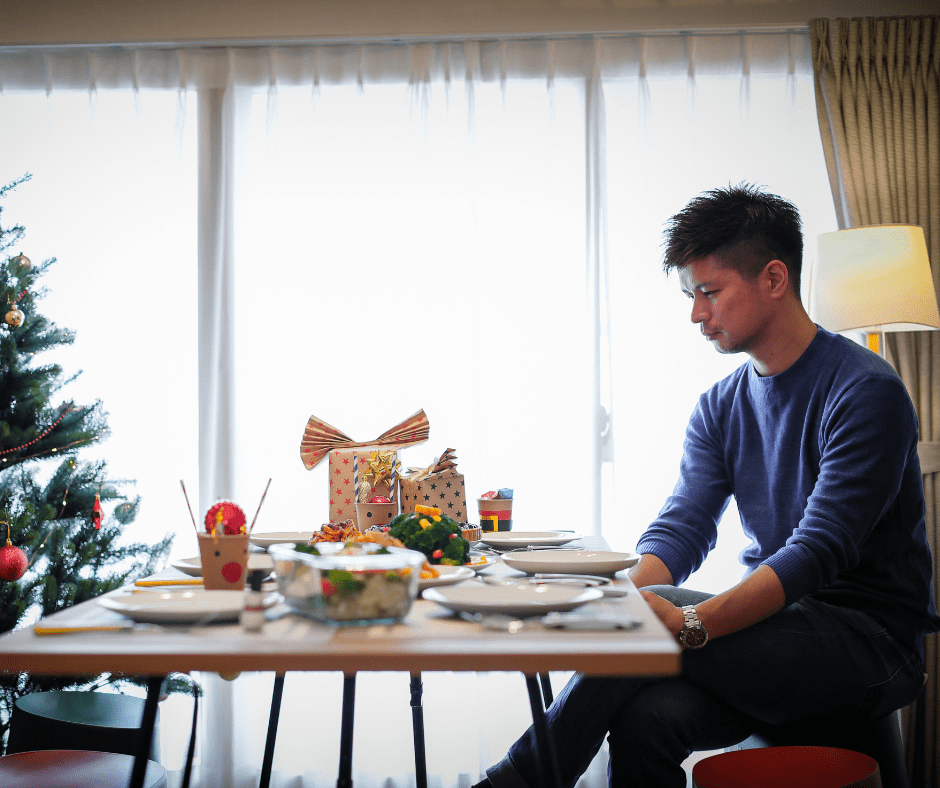
If You’re Feeling Lonely or Isolated
Even if you’re surrounded by people, stroke can sometimes make you feel disconnected, whether it’s physically, socially, or emotionally. If you’re spending Christmas alone this year, that can be especially hard. Here are some gentle ideas to support yourself:
1. Reach Out in Small Ways (If You Can)
A simple message to someone supportive — a friend, family member, or someone you’ve met through Different Strokes can help you feel less alone. It doesn’t need to be a long conversation. Even a quick “hello, just thinking of you” can open a door.
If reaching out feels overwhelming, that’s okay. Take things at your pace.

2. Join Spaces Where You’re Understood
Different Strokes’ online community is active throughout the festive season. You can join conversations on our Facebook group, ask questions, or simply read through others’ posts if interacting feels too much. You’re welcome, without pressure, whenever you’re ready.
3. Make a Plan for the Day
Structure can help ease difficult emotions. Consider planning simple, comforting things like:
- Watching a favourite film
- Going outside
- Calling someone you trust
- Making a comforting meal
- Spending time on a hobby or listening to music
It doesn’t need to be festive; it just needs to feel manageable for you.
4. Allow Yourself to Feel What You Feel
You don’t need to force Christmas cheer. If sadness or grief shows up, it doesn’t mean you’re failing or “not festive enough.” It simply means you’re human and healing.
If You Feel Left Out or Left Behind

Stroke often changes the way you participate in celebrations. Fatigue, sensory overload, physical challenges, memory or speech difficulties all of these can make social events exhausting. If you find yourself withdrawing over the holidays, please be kind to yourself. Sometimes your mind and body simply need rest.
But if part of you wants to feel more connected, these ideas may help:
Suggest a Quieter or Shorter Gathering: A calm cuppa with one person might feel easier than a big Christmas meal. You’re allowed to shape your social time in ways that work for you.
2. Try Virtual or Phone Catch-Ups: For some survivors, conversations feel easier when you can be in your own space; sitting comfortably, adjusting the light or noise as needed and resting whenever you choose.
3. Tell People What You Need (If You Feel Able): Most loved ones want to help but don’t always know how. You could share something like:
“I’d love to join for a bit, but I may need to leave early,” or “Christmas is hard this year, I might be quiet, but I still appreciate being included.”
Setting boundaries is not being difficult, it’s looking after yourself.
If Christmas Brings Up Difficult Emotions
Christmas can highlight: changes in ability / lost traditions / strained relationships / grief for your old life / emotional overwhelm. These feelings are common and nothing to be ashamed of.
Here are some gentle grounding ideas:
- Take slow breaths
- Break the day into small steps
- Spend time in nature
- Rest when you need to
- Talk to someone who “gets it”
And please remember: You do not need to be “festive” to be worthy of kindness, care or connection.
Finding Support
If you’re feeling isolated this Christmas, please consider reaching out to one of the following organisation – even a small step can help you feel a little less alone:

A Final Message for Anyone Struggling This Season
Christmas is just a day. Your worth is not defined by how you spend it or who you spend it with.
Whether your festive season is busy, quiet, emotional, or simple, we hope you can offer yourself compassion. Recovery after stroke is challenging enough without the pressure of holiday expectations.
You deserve warmth, comfort and understanding – today and every day.