
Know Your Blood Pressure: How Keeping it Under Control Can Reduce Stroke Risk
Why blood pressure matters for stroke
Stroke remains a common and serious health issue in the UK. Around 100,000 strokes happen each year, and many more people live with the after-effects.
High blood pressure (hypertension) is one of the biggest, and most treatable, causes of stroke. Around three in ten adults in England have hypertension, and the condition is linked to roughly half of heart attacks and strokes in the UK. That means managing blood pressure is one of the most effective ways to reduce your risk.
Importantly, high blood pressure can often be symptom-free. People can feel fine and still have dangerously high readings. For this reason, regular checks are essential. Recent estimates suggest many adults with high blood pressure are undiagnosed or not receiving effective treatment.

Practical steps you can take today
You don’t need to wait for symptoms. Here are simple, practical actions that can make a real difference.
- Get your blood pressure checked
- In England, the NHS offers a free NHS Health Check for people aged 40–74; it’s designed to spot early signs of stroke risk and other conditions. If you’re eligible and haven’t been invited, contact your GP or local council.
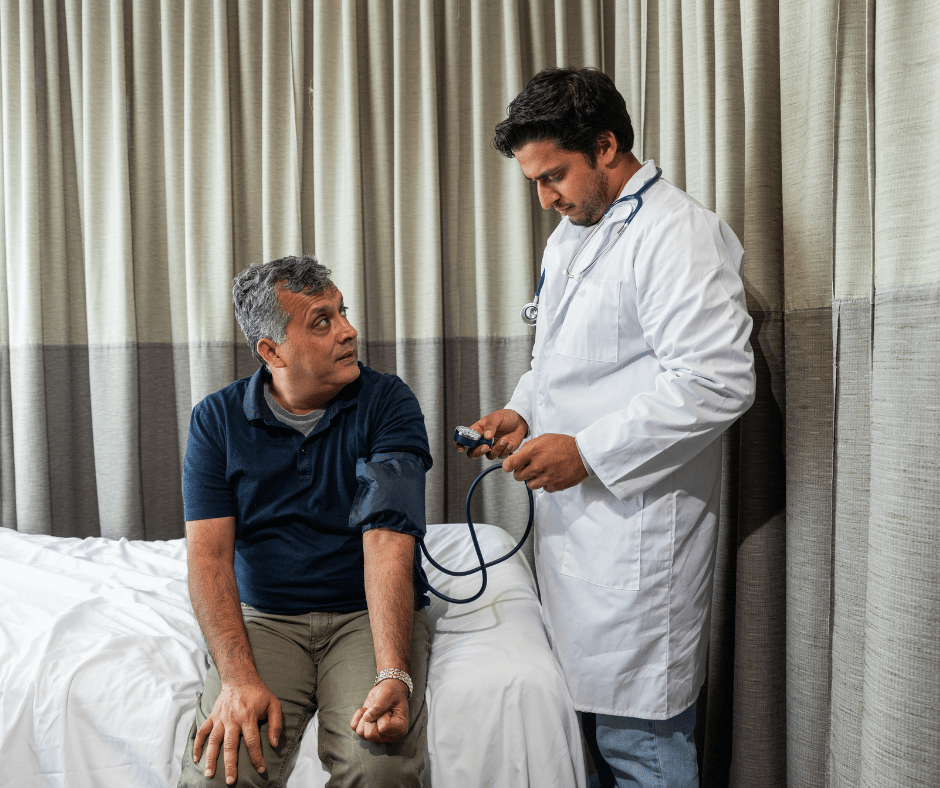
- You can also have your blood pressure checked at your GP surgery, many pharmacies, some workplaces, or using a home monitor. If you’re worried, ask your GP – it’s always okay to request a check, whatever your age.
- Monitor at home if advised
If a healthcare professional asks you to measure your blood pressure at home, follow their guidance. Use an upper-arm digital monitor (not wrist or finger devices), take a couple of readings a few minutes apart, and keep a diary to show your clinician. Home monitoring is a reliable way to track changes over time.
- Small lifestyle changes add up
Evidence and NHS guidance show practical steps that help lower blood pressure:
- Reduce salt intake (aim for around 6 grams a day or less). Processed and takeaway foods are the main sources of hidden salt.
- Move more – aim for about 150 minutes of moderate activity each week (short walks, gentle exercise).
- Cut back on alcohol, manage weight, and aim for better sleep and stress management. These all help blood pressure and overall health.
- Take medicines as prescribed
If your GP prescribes blood pressure medication, it’s important to take it regularly. Medication plus lifestyle changes often work best together. If you have concerns about side effects or costs, speak with your practice or pharmacist.
- Know your family history and talk about stress and mental health
Some people have a family history or genetic risk factors that raise blood pressure. Stress, mental health issues and long-standing emotional strain can also affect physical health. If you’re worried for any reason, including if you’re under 40 and carrying heavy stress or unsure about family history, mention it to your GP.
If your reading is high: what happens next?
If your readings are higher than expected, your GP will usually repeat checks or ask you to monitor at home. They may recommend lifestyle changes and, if needed, start medication. Acting early can make a big difference to long-term risk.
If you or someone else develops stroke symptoms (sudden face droop, arm weakness, slurred speech, sudden balance or vision problems) call 999 immediately, every minute counts. Even if your blood pressure is normal, any sudden neurological change needs urgent assessment.
A note about Daniel and why this matters
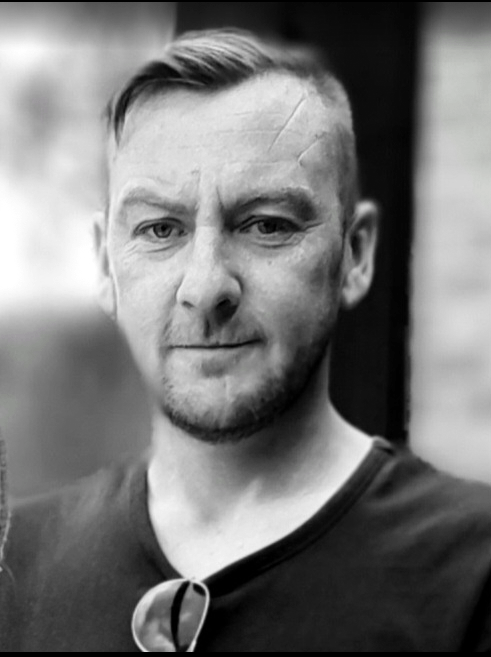
This blog is written in memory of Daniel Joseph Mahony. Daniel had fatally high blood pressure and passed away from a stroke in July 2025 at the age of 39. Daniel loved his family, girlfriend and friends very much and he was loved very dearly.
Daniel’s family want his story to encourage people to check their health, know their blood pressure and act where needed, because sometimes high blood pressure can be invisible until it’s too late.
Daniel’s family have chosen to share Daniel’s memory with us because they hope it could help save lives. They remind us that health checks are not just for people who feel unwell and that asking for help and information is always the right thing to do.
If you’re carrying any stress, worrying about family history, or simply haven’t had a recent check, please book one.
High blood pressure is common, often silent, and highly treatable. The message we want to leave with you is this: knowing your numbers gives you power. Small, steady steps — a check with your GP, monitoring at home, modest diet and activity changes, and following medical advice when needed — can cut your stroke risk substantially.
If Daniel’s story moves you, please consider booking a check, asking your family to get checked, or sharing this post to raise awareness. That’s how communities protect one another.