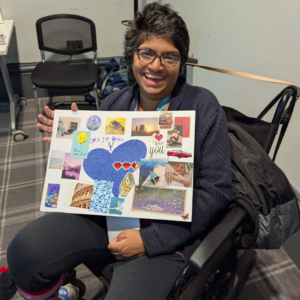
10 Things I’ve Learned in 10 Years After my Stroke

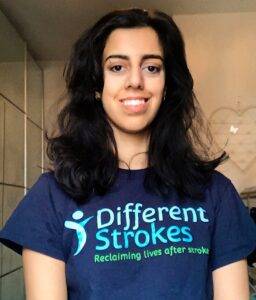
Picture of Amber Sunner

Amber Sunner

Amber is a 'two time' childhood stroke survivor, journalist and Different Strokes Volunteer.

A stroke can be life-altering – it can change how you look, feel and sound. But having a stroke also taught me lessons which I still reflect on to this day. I’d like to share 10 things I’ve learned in 10 years since my stroke:

  1. Life is precious

As much as it is a cloying cliche – touching death did give me a newfound appreciation for my life. Being in the hospital during a stroke, everything was a whir, moving at what seemed 100 miles an hour – once I was in recovery, and everything had settled down in my brain, I was in disbelief. But grateful that I had made it out of the other end. Surviving two major strokes is my biggest achievement to date, and that was my body’s effort, not my own conscious mind.

  1. How to persevere

Rehabilitation is a long process and it can fall to the wayside if you’re not determined. When I opened my mouth and I couldn’t talk, the reality of what happened became so apparent. The disbelief turned into shock – speech therapy became an integral part of my life and through perseverance, my words came back. My voice has good days and bad days, but I have learnt to accept that…

  1. Accepting who I am

This was a lesson that honestly took the longest to learn. Before the stroke that took my voice away, I was a bubbly 14-year-old girl who was regularly told that she could talk for England – now I was afraid to open my mouth for fear of being judged because of how I sounded. Once I realised that I didn’t care what other people thought of me, and I finally accepted my ‘new sound’ – I was speaking when I felt I should, and not being silent for the sake of no one hearing,

  1. Ask for help

This is a lesson that I’m still learning – as a 23-year-old I feel like I should be fit, active and wildly healthy – the truth is – I am not. Asking for help is not entirely easy for me, as someone who is headstrong and wants to be independent, but I am slowly learning that asking for help isn’t so bad – especially when I need it.

  1. Empathy

I was a stoic child, I didn’t let many things affect me emotionally. But after a major life event, like my second stroke, my emotions came to the surface. Possibly because of the trauma of having two strokes by age 15. I now feel things so deeply – which is a blessing I feel. When I shut my emotions down, they’d flood out in one tsunami when I buckled, but when I let them out when I ought to I feel stronger. 

2 helping hands reaching out to each other to hold against a white and yellow background

         6. An opportunity to educate

Having a stroke at a young age taught me that I should make other people aware of this occurrence. The opportunity to educate is a lesson I now refuse to take lightly. For a little while after the stroke, I turned down opportunities to speak about my experiences because I didn’t want to be known as ‘The Girl Who Had A Stroke’ but now I’ve learnt to embrace this life experience and the ‘power’ it has brought me. I now say ‘yes’ to any way I can educate people about young strokes as an individual with real-life experience. 

         7.Appreciate the little things

As much as this lesson may sound like a cheesy line from a pop song – it’s one that I still heed to this day. The fact that I can still communicate, walk and write are big things that I am grateful for. But the fact that I can still brush my hair, get dressed, and meet friends are little things that while in the hospital in recovery I couldn’t do. Don’t take the little things for granted – not least the big things too.

8. Solidify your support system

My strokes knocked me down and if it wasn’t for my close family and friends supporting me and my workplace making accommodations I doubt I’d be in the position I am today. The importance of choosing those people you can rely on is something which opened my eyes to the preciousness of life.

9. The importance of being patient

Stroke recovery isn’t overnight – even now I have good days and bad days, especially with my voice. It can take me a long time to get a sentence – or even a word out. When this happens I gently remind myself of what I’ve been through and to be patient with myself.

10. Be positive

Being positive in the face of adversity is true in any challenging case – so I thought that would be a nice way to tie things up. Be positive and don’t let anyone dull your shine.

That is what it is like for most people who have had to recover from a stroke. We don’t know exactly why we behave the way we do sometimes, it just happens. However, I hope at least someone can take something away from my attempts at explaining it above.

Get support with challenging feelings after a stroke

If like Amber, you are living with the challenges caused by a stroke and would benefit from speaking with others who understand. Why not join us at our next virtual meeting
Facebook
Twitter
LinkedIn

A Life-changing 5 Years

A Life-changing 5 Years! Colin Phillimore Colin is a stroke survivor, musician, poet and founder of the Different Strokes Poole group. After experiencing a stroke

Read More »

Join Our Mailing List

This field is for validation purposes and should be left unchanged.
Name
Email(Required)
Would you like to join our postal mailing list to receive physical newsletters in the post twice a year?
Address