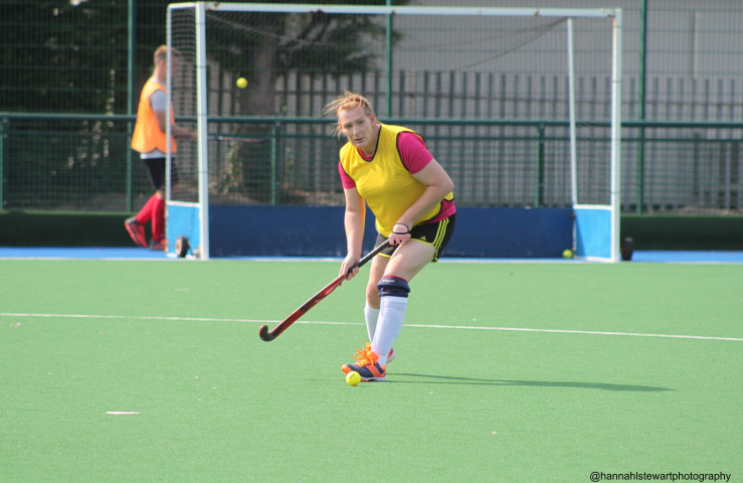
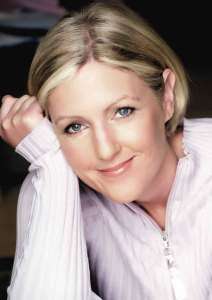
 In 2010 at the age of 45, I had a stroke caused by a clot. Prior to my stroke I lived life at a hectic pace, being self-employed and a mother of one. I enjoyed my hobbies; riding, swimming, walking, yoga and skiing – I was fit and healthy! I didn’t put on weight and I was never unwell. I had a sensible diet, never smoked. I drank alcohol sensibly (by this I mean I didn’t spill any….).
I didn’t ever imagine I would be a prime candidate for stroke, but how wrong I was. Suddenly, stroke just struck – suddenly and without warning, our lives as a family our lives changed, overnight and forever.
One morning, there I was living life as normal when suddenly I was hit by a strong pain in a small area of my head. It was like nothing I had ever experienced before. I thought, ‘This isn’t a migraine’.
My whole life, as I knew it (along with my body) was about to change. I was simply a bystander to what was happening. Everything had now been taken out of my control.
My dog, who never barks, would not stop or settle. Why, did she have to pick today of all days to act so out of character? I decided I must get dressed and go to work and this will all ‘wear off’.
I felt sick and my mouth and eye felt strange. Still I tried to get ready. I stumbled and fell a couple of times, yet I did not question why. My dog was really annoying me now! I thought I heard a little voice saying, “If you were older, I would say you were having a stroke.”. followed by, “Don’t be silly – get ready for work”. My arm felt strange. I fell over again. My limbs felt heavy – odd, as if I were a little drunk, out of control.
I tried to tell myself that my dog had tripped me up and that she was being silly. I wanted to sleep. I felt an inner calm and peace, but then suddenly thought, ‘I mustn’t sleep, it’s dangerous to sleep’. An inner voice said, “You are having a stroke, you know that”. Yet, at the same time, I felt calm as if I was going to be all right. Nothing was making any sense, so how could I be calm?
My eye was crying uncontrollably.
By this time I knew I needed help. I phoned my old doctor’s surgery. I was on the phone but it felt as though I was tripping over my mouth and I couldn’t get the words out. I fell down and my speech was laboured and faltering. I think I managed to say, ’”Need help now’” and asked if I should call an ambulance, but I was crying. The receptionist then said, “If you can get here now you can be seen”.
The next bit I’m not proud of. I do not remember locking the house, driving the journey to the doctors, locking the car or even where I left the car or how I got into the doctors, but I got there.
My ‘stroke of luck’ was the message telling me to just go and get there, before I could not. Yet, at the same time as I knew I was going to be alright, I suddenly felt worried about absolutely nothing. I had forgotten about work and the people who were waiting for me. All the things that go through our minds that we worry about on a daily basis had been erased; I was just there yet not thinking – not worrying – it was pure bliss.
My car is an automatic and I now think that I must have used my left foot with one hand on the wheel as it’s the only possible way I could have driven. In my right mind, I would never have attempted such a thing. I only share this because it highlights my stupidity and the importance of phoning emergency services immediately.
I guess these first emotions are very different for everyone. For me, it was a state of total blissfulness followed by total disbelief. ‘No, not me, I’m too young’. How wrong and naïve was I?
I continued thinking, ’No, it’s not that, it can’t be’. Then the reality hits. You are suddenly locked in your own bizarre world of frustration, inside your body, which is behaving strangely with limbs you don’t know anymore and which are letting you down! Your mind has words in it but, try as you might, they will not pass your lips with any type of sound that either you or anyone else can translate.
I could no longer communicate and my limbs on one side were completely alien. I was just lost in my own body, unable to make sense of anything, far too tired to really question, yet at the same time somehow calm.
As a result of delayed help, the stroke left me with right-side paralysis, loss of memory, difficulty with my speech and unable to concentrate for more than a few minutes at a time. I’ve experienced chronic fatigue, which is still a big issue today.
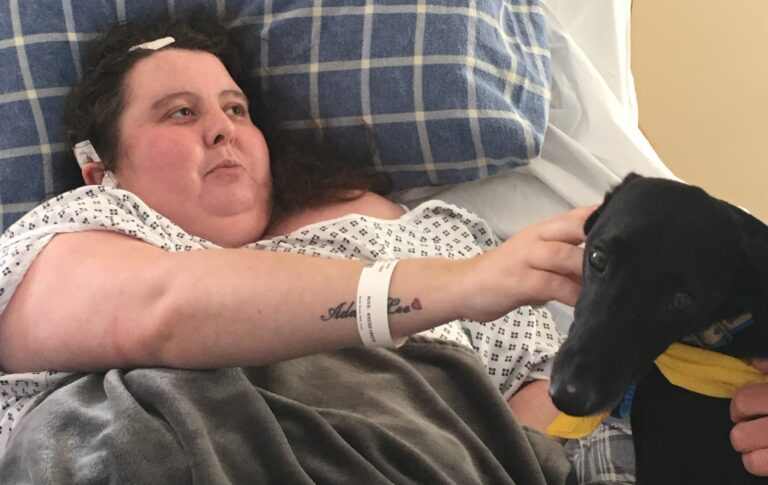
When I eventually left the hospital, I still needed full-time care. I was unable to do anything for myself – and I mean anything! I was told by the doctors that ‘my health situation was as good as it was going to get’. Those damaging words have never left me.
Nurses, Occupational Therapists and Physio Therapists came to the house for the first few months. I was still having to rely on help to be washed, to get dressed – just about everything. Fatigue was so great that having been washed, dressed and fed, I was exhausted and would fall asleep again.
When the help eventually left I would spend my days sitting in my kitchen waiting for my son Henry and partner Nick to return from school and work. I was just able to make a cup of tea, providing I was sat by the kettle.
It was not just the physical disabilities that were affecting me but the emotional ones too. I had lost my independence, was unable to work, unable to drive, unable to even talk coherently. I still needed a lot of help just existing.
During those lonely times, I decided to look for help through the internet to see if I could find a way to improve. I was not prepared to remain in that state of health for the rest of my life.
I could not accept at 45 that this was to be my life, yet not being able to make sense of anything at that stage I had no idea what I would or could do about it – if anything.
I had reached rock bottom; I was refusing even my favourite drink – champagne. I had lost interest in everything. I realised that if I didn’t do something quickly, ‘this really WAS as good as it was going to get’.
Those devastating words were to become my inspiration.
So, with determination, will power and support, slowly, day by day, I made small but important improvements. I began to write my book ‘Two Strokes Not Out’ which developed into a passion.
Funds from the sale of my book are donated to continue to raise awareness around stroke.
In order to promote the book, I published my own web site which lets visitors know how they can access it, as well as serving as the platform for my own weekly blog where I post useful tips for stroke survivors gained from personal experience.
The book is now available on my website as a free audio download in English. (This is narrated by myself – and it’s also available in Spanish, French and Dutch, which are not!).
Writing the book also helped improve my physical and mental disabilities as I had to learn how to use a computer using my non-dominant hand. I was not an expert on computers, didn’t know what Digital Technology or Social Media were, but with assistance, over time I managed to get in touch with many stroke survivors like me who wanted help.
I had fallen into social media by accident, but the outcome was incredible; it was to be my lifesaver. I was not only improving my physical condition by using my computer, I was also using my brain, and I was not lonely during the day anymore as I made friends all over the world who were in the same situation as me, looking for help and advice.
I am constantly receiving requests via Twitter for more help with the huge emotional impact of stroke as well as the physical and I became a mentor to help other stroke survivors and their families, which is an ever-increasing role. I also began a new hobby, I started for the first time ever to paint.
I also have numerous NHS voluntary roles along with many others for stroke-related charities and organisations. I am passionate about raising greater awareness of stroke, especially in younger people, people of working age. Although research and new treatments are fabulous preventing more strokes has to be the ultimate aim.
I also work as a volunteer, with staff on a Stroke Rehabilitation ward, devising and delivering programs to families and carers of stroke survivors from the experience of having lived it, by predicting, addressing and solving some of the difficulties these families may yet encounter.
Stroke has taken away so much; my independence, the ability to work – to drive and enjoy the sporting activities I loved. The hardest lesson was having to ask for and accept help, which I still have to do nine years on. However, as a result of my stroke, I have met some amazing people and it has given me the gift to be able to help people and raise greater awareness of stroke.
My physical disabilities may never go away. I may always be partially paralysed down my right side, and I may always suffer from fatigue and short-term concentration and memory loss, but be in no doubt: this will not stop me connecting with those with whom I may be able to offer help, advice, guidance, and support to as a consequence of my own experience of the similar issues they encounter.
Prior to my strokes, I enjoyed my work, it was fun, varied and exciting. I’ve now realised that if I’m not there I could easily be replaced. Now my roles are ever-increasing, and because of this, the help, advice and support I am offering from the position of lived experience, knowing that I really am making a difference.
During my recovery, I was asked by Different Strokes to review a book ‘Rebuilding Your Life After Stroke’ put together by a team of psychologists at Cardiff University. During the review, I was introduced to the valuable work and support that Different Stokes offers stroke survivors. I now am able to use their Children’s pack along with other information in a stroke initiative in Worcestershire which focuses on families and cares of survivors. I am proud to now be an Ambassador for Different Strokes and would recommend anyone affected by stroke to contact them.
My coping strategy:
Allow yourself time to come to terms with what has happened and work your way through the emotional processes that follow.
- Do not compare yourself to others as every stroke is different.
- Set small, realistic goals.
- Celebrate when you’ve realised them, before attempting the next
- Be patient with yourself