Helena’s Story – Ischaemic Stroke at 59
- Greg Hollingworth

I was 59 when I had my stroke in January 2024. It was an ischaemic stroke caused by a clot on the right-hand side of my brain.
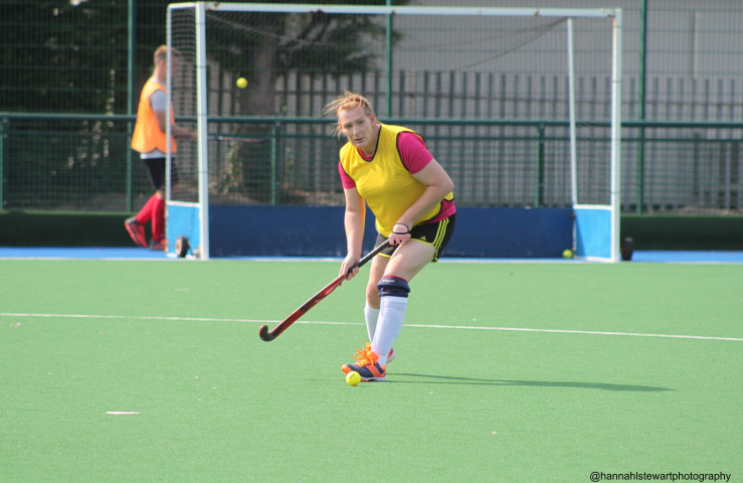
Looking back, there was one little sign that something wasn’t right. I was playing hockey on the Saturday and Sunday before my stroke and during one of the games my eyesight went a bit funny. I couldn’t see the ball properly and everything was slightly blurred. At the time I didn’t think anything of it. I just put it down to one of those things, maybe a migraine coming on.
Then, in the middle of the night on Tuesday, I woke up on the floor.
I couldn’t work out how I’d got there and I couldn’t get up. I couldn’t feel my left arm, I couldn’t feel my left leg and I couldn’t do anything. I was lying there thinking and I knew I’d had a stroke because I just couldn’t move properly.
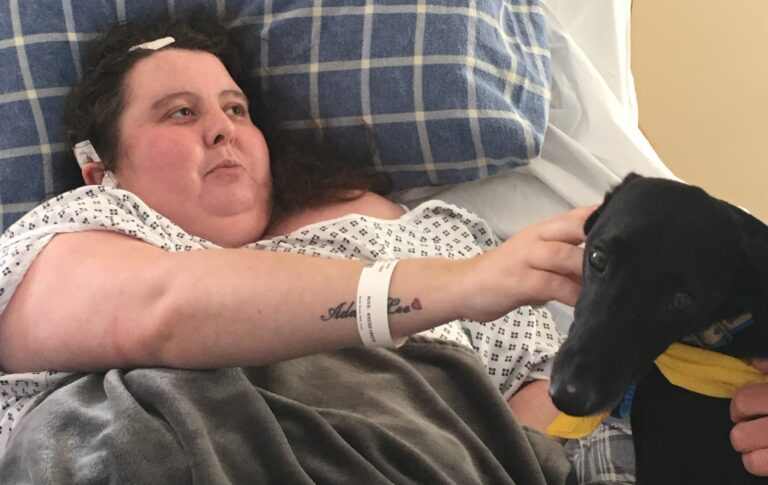
I had to bang on the floor to get help and eventually call an ambulance. They had to break the door down because it was the middle of the night. I was taken to hospital and ended up staying there for four months.
The early days after my stroke
I remember being taken for a scan and someone saying, “Yes, you’ve had a stroke.” I couldn’t walk. I couldn’t talk. I lost my sense of taste. We had to start from scratch.
The first thing they worked on wasn’t walking. It was sitting up. They spent quite a while getting me to sit upright because every time they sat me unsupported, I just keeled straight over. Eventually, I managed that and then came the first steps.
I still remember taking that first step and thinking,
“Oh my God, I’m actually walking.”
At one stage I’d genuinely thought I would never walk again.
There was a lot of physiotherapy in hospital, getting me up and down stairs and teaching my body how to move again. Gradually things started to come back. My left arm and leg still aren’t right by any means. I have no use of the fingers in my left hand. I can move my arm, but it’s mostly from the shoulder. I can’t really use the elbow properly and I can’t bend my left ankle.
But I can walk. Not perfectly, but I can walk.
I was determined to walk out of hospital because I’d arrived on a stretcher. Four months later, I did exactly that. Then I got home and thought,
“Oh God, now what happens?”
That was the scary bit.
When they tell you you’re going home tomorrow, you suddenly realise you’ve got to figure out how to live again. At first I had carers coming in four times a day. Occupational therapists taught me how to get dressed and how to do all the things you take for granted and suddenly have to learn again. Over time I reduced the carers down to one morning visit and eventually got rid of that too.
Very early on, I decided I wasn’t going to have carers for the rest of my life. I wanted to take back as much control as I could. I got frustrated, of course. There were times in hospital when I thought,
“This is bad. This is never going to get any better.” You do get low. You wonder,
“Is this it now? Am I always going to need someone to wash me, feed me and do everything for me?”
But then you get tiny glimpses of progress. You move an arm that wouldn’t move before. You manage a task you couldn’t do yesterday. And you think,
“Maybe. Maybe if I keep going.”
What else is the alternative?
I’ve always played a lot of sport and I honestly think that helped. Sport teaches you to pick yourself up after setbacks. I had moments of utter despair, but I also had moments where I thought:
“I’m not going to let this beat me.”
So I kept going.
One thing nobody prepares you for is how long recovery takes.
When people told me in hospital that it would take “a while”, I thought they meant a month or two. I was already planning when I’d be back playing hockey. Then it became,
“Maybe not this season.” – then,
“Maybe next season.”
Then eventually you realise recovery works to its own timetable.
Before my stroke, hockey was a huge part of my life. When people asked what I did, I’d say, “I play hockey.” Now I say, “I used to play hockey.” I’m not particularly happy about that, but I’ve come to terms with it.
I did have three goals while I was in hospital though: go back to work, drive again and play hockey.
I went back to work from home after six months. Later I returned to the office before retiring in March 2026. Retiring was my choice. I wanted to be the one who decided when to stop.
Driving was another big goal. Doctors couldn’t guarantee it would happen, but earlier this year I passed a driving assessment in Edinburgh, got my licence back and bought an adapted automatic car with hand controls. So now I drive again.

Why peer support was important after my stroke
As for hockey, that’s harder because I can’t hold a stick properly. But I’m currently playing one-handed walking hockey.
I’ve learned that if I can’t do something, I add the word “yet” to the end of the sentence.
I also have a phrase I use a lot now: “I do normal things slightly abnormally.”
The way I get dressed isn’t how I used to get dressed. The way I do things around the house isn’t how I used to do them. But I can do about 90% of normal life, just differently.
I used to hate the word “manage.” I remember saying in hospital, “I don’t want to manage. I want to be better. I want to be the way I was.” But eventually I had to accept that managing is actually an achievement.
I live on my own. I do my own shopping. I go on holiday. I drive. I look after myself. I manage.
And that’s not a small thing. The small wins become incredibly important after stroke. I remember being delighted because I managed to open the washing machine door with my affected hand. I’ve spent two hours putting elasticated laces into a pair of shoes. I’ve celebrated turning on a light switch. People who’ve never had a stroke don’t always understand why those moments matter. But stroke survivors do.
That’s why peer support became so important to me. An occupational therapist first told me about Different Strokes. Later I joined peer support groups and realised I wasn’t the only person putting clothes on backwards, spilling dinner down myself or finding strange new ways to do everyday tasks.
You realise you’re not alone. You start laughing together. You share tips, tricks and workarounds. Most importantly, people understand. Because unless you’ve had a stroke, you don’t really get it.
One thing I wish more people understood is that strokes don’t all look the same. Before my stroke, I thought a stroke meant a drooping face and difficulty walking. Since then, I’ve met people with aphasia, sight loss, balance problems and all sorts of invisible effects.
Stroke can look very different from one person to the next.
Help is out there if you've had a stroke
Now that I’ve retired, I’ve become involved in peer support and volunteering.
I support Chest Heart & Stroke Scotland, volunteer with the NHS and I’m looking forward to helping with the new Different Strokes Glasgow group.
Peer support was crucial for me in those early days and I’d like to help other people find that same support. If there’s one thing I’ve learned, it’s this: There is a way through. It might not be the way you want it to be. It might not be the way you imagined.
But there is a way through. No one can do it for you. You have to do it yourself. Try things. You’ll fail. You’ll get frustrated. You’ll swear. You’ll spill tea all over yourself. You’ll throw things across the room. You’ll put your clothes on backwards. You’ll say “for God’s sake” more times than you can count.

My advice to stroke survivors
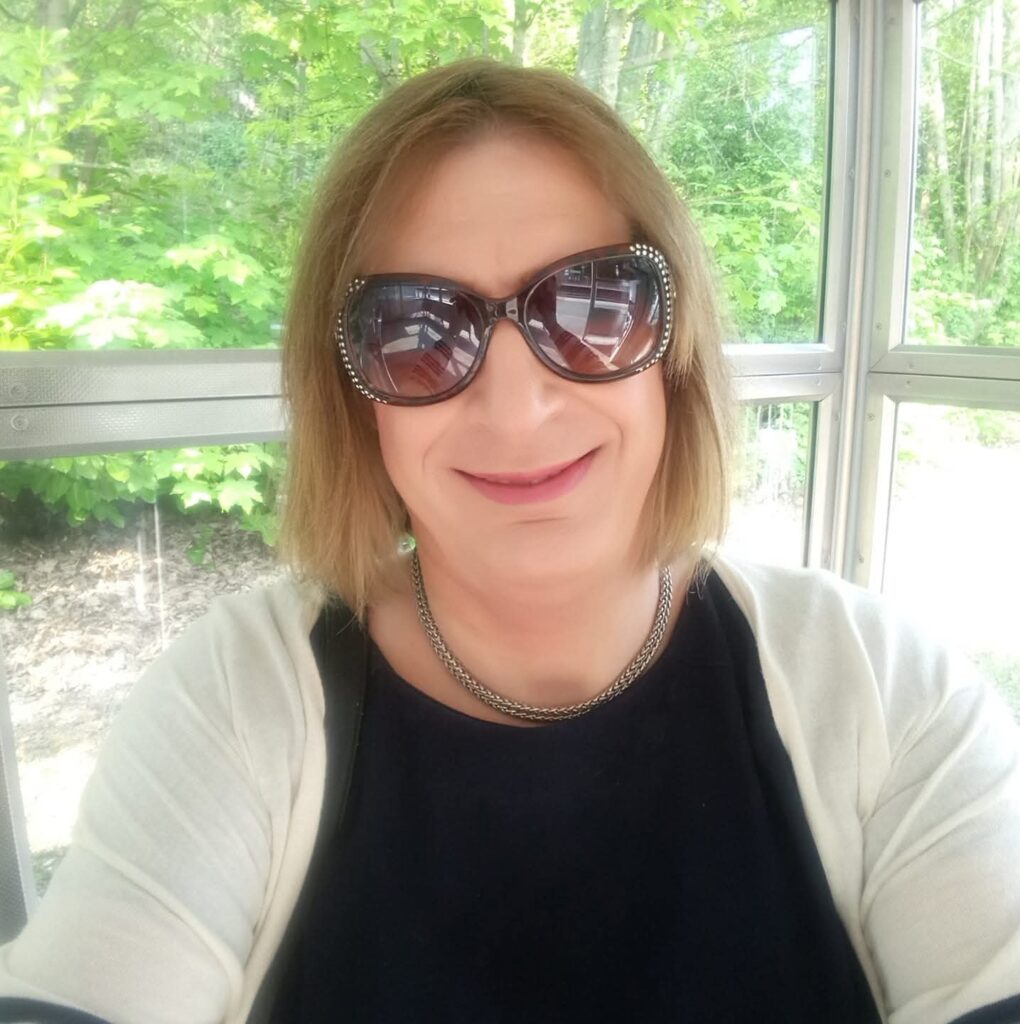
Unless you move towards a goal, you don’t get any closer. Be kind to yourself, celebrate the small wins and keep going.
When I think back to myself lying on the bedroom floor that night, unable to move, convinced my life was over, I never imagined I’d be where I am now.
I’m not glad I had a stroke, but I am proud of what I’ve achieved since. It’s shown me levels of determination I never knew I had.
Today I call myself a stroke survivor. I drive, I travel, I live independently, I volunteer, I help other stroke survivors – and I’m still finding a way.
Your donation helps others like Helena on their journeys
There are 100,000 strokes in the UK each year with 1 in 4 happening to somebody of working age or younger. Different Strokes aims to promote independent stroke recovery and help these younger stroke survivors reclaim their lives.

Make a smile lottery is a weekly fundraising lottery. A fun and exciting way to help Different Strokes raise vital funds that will secure our future.
It only costs £1 per play, and you can choose to play every week or whenever you feel like taking a chance and doing something good. For more information click here.