Richard’s Story – Haemhorrhagic Stroke at 48
- Greg Hollingworth

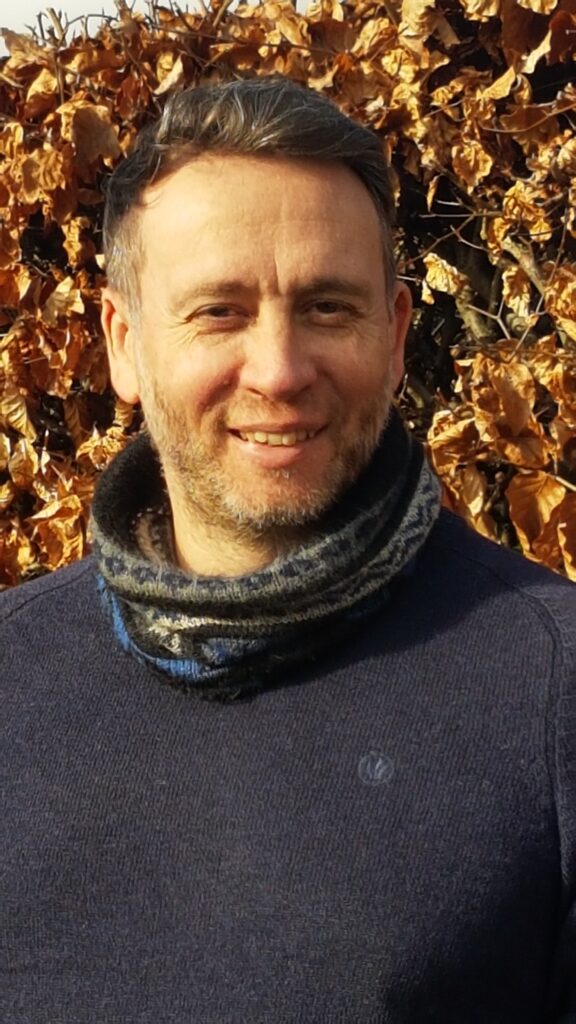
“I’m Richard, from North Yorkshire, and I had a haemorrhagic stroke in January 2025 at the age of 48.
If you’d asked me before my stroke whether it was something I worried about, the answer would have been a definite ‘NO!’ – I was exercising regularly, eating healthily, didn’t smoke and drank very little alcohol. I was doing everything I could to look after myself, so having a stroke was completely unexpected.
Looking back, it seems likely that very high blood pressure was the cause. When the paramedics checked it in the ambulance, it was somewhere around 230 over 200. As soon as they saw that reading, everything changed.
The day it happened I was in a nearby swimming pool completing a masters training session with the local swimming club. I suddenly became extremely dizzy and started being sick. Nobody really knew what was going on, including me. In hindsight, parts of it almost seem comical. When someone called for an ambulance, they explained there was a man being sick, so understandably it was treated as a low-priority call and we were told it could be around four hours.
The head coach took one look at me and said,
“No, we’re not waiting four hours. Get in the car, I’m taking you to A&E myself.”
What happened right after my stroke
We were literally driving out of the car park when the ambulance arrived and blocked our exit. I got out of the car, into the ambulance and, thankfully, that probably changed everything. Once the paramedics started carrying out checks and saw my blood pressure, the blue lights went on and off we went.
What strikes me now is how easily things could have gone differently. My first thought was simply that I’d overdone it during training and needed to sleep it off. Had I been able to drive, I probably would have gone home and gone straight to bed. The only reason that wasn’t possible was because the room was spinning so violently. The best way I can describe it is the worst hangover imaginable multiplied by a thousand. I genuinely didn’t know which way was up.
Being told I'd had a stroke
One detail that still makes me laugh is that I did the entire journey through three different hospitals wearing nothing but my swimming trunks. Saving my life was understandably considered more important than preserving my dignity. Eventually I remember asking if I could get changed because I was still wet.
The reality is that I didn’t really understand how serious the situation was. I’d barely ever been in hospital before. As a child I once badly bruised my knee, but apart from that I’d never really been ill. Hospitals were completely unfamiliar territory for me.
While I was being wheeled around for scans and tests, I wasn’t really thinking,
“I’ve had a stroke” or “this is serious.”
The world was spinning so badly that my main concern was trying not to be sick. At one point I had a scan where they injected something into my bloodstream. It was incredibly painful and I remember thinking two things. The first was that it hurt far more than I expected. The second was,
“My kids would love to see a picture of my brain.”
I actually asked whether I could have a copy of the scan to show them. Looking back, that probably says a lot about my state of mind. I wasn’t frightened in the way people might expect. I just didn’t fully understand the seriousness of what was happening.
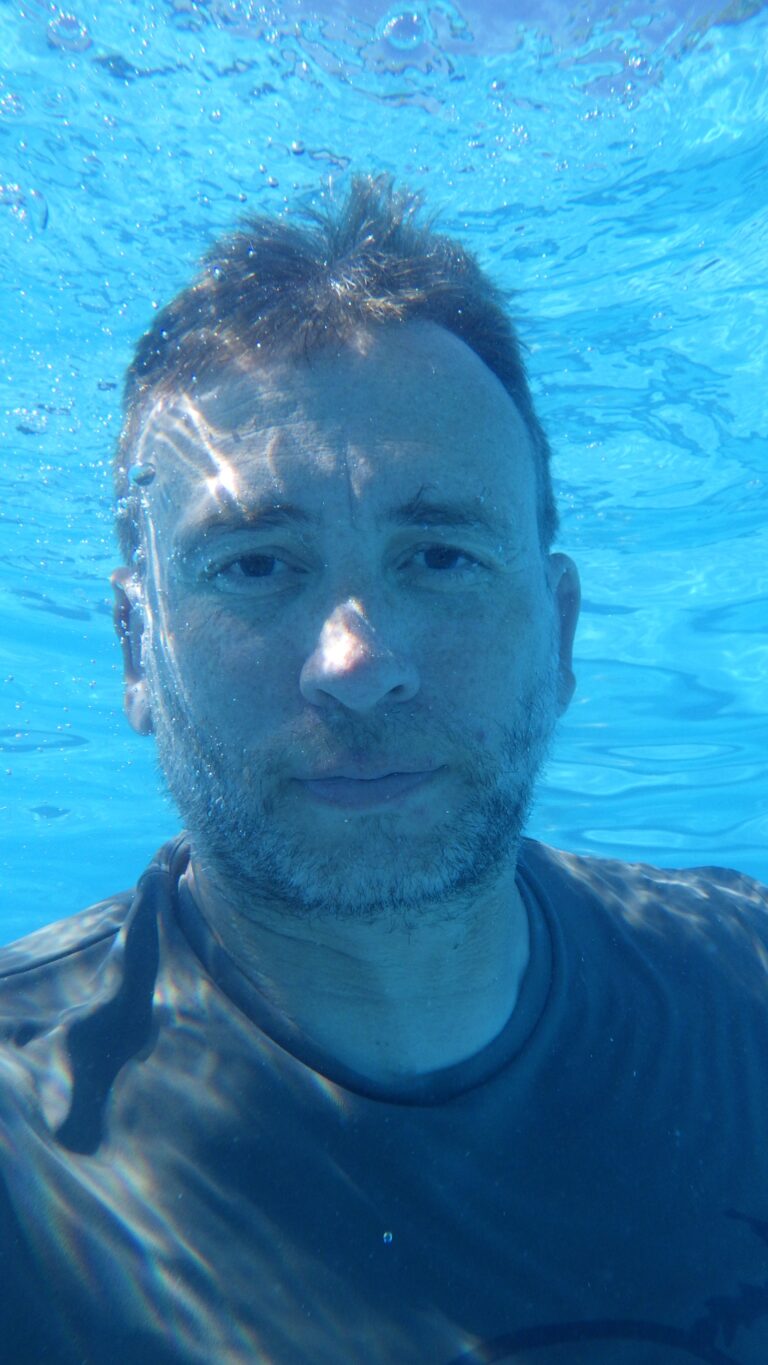
My time in hospital
I spent exactly two weeks in hospital. Because there wasn’t any space on the stroke ward, I never actually made it onto one. Instead I was cared for on a surgical ward alongside people recovering from serious head injuries and other neurological conditions. I didn’t actually have any surgery – but it was the only place they could fit me!
Despite the challenges facing the NHS, I look back very positively on the people who cared for me. There was a real sense of camaraderie on the ward. It felt like we were all in it together, helping each other through difficult circumstances. You could see how hard the staff were working every day. Resources were clearly stretched, but the people themselves were incredible. They’re heroes.
When I was discharged, though, it felt a little like,
“Right then, off you go. Good luck.”
Ironically, one of the people who gave my wife Caroline and me the most useful information was the porter who wheeled me down to the car park. He explained what would happen next, who would take over my care and what support we should expect. It was information we hadn’t really received anywhere else.
Once I got home, the biggest issue was my balance. I had none. I staggered around holding onto walls and relied heavily on a walking stick. A physiotherapist visited once a week and gave me exercises to work on. After around six weeks she told me there wasn’t much more she could do because I was recovering so well, which was encouraging to hear.
Learning how stroke had affected me
That said, the hardest part of recovery wasn’t the walking. It was the fatigue.
Before my stroke, I thought I understood what hard work felt like. I exercise regularly and I’m used to pushing myself physically. Stroke fatigue was something entirely different. In those early days, I could get out of bed, make it to the bathroom, have a shower and then need to go straight back to bed because I was completely exhausted.
No amount of determination could push me through it. I could push through hard work, but I couldn’t push through stroke fatigue. Learning to accept that was probably one of the biggest challenges. I had to recognise that recovery wasn’t going to happen overnight. It was going to be a long journey made up of very small steps.
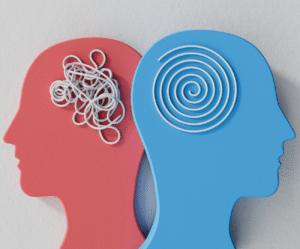
Over time, I learned to look for those small improvements rather than expecting dramatic changes.
My work was very supportive. They wanted me back to work, but at my speed, on my terms. They understood that my role might need to change, at least in the short term but potentially long term and maybe permanently. I worked hard to test myself. Could I do the software development I used to do? A little bit? At all? I found that my brain still worked. I made more mistakes as I typed, but I did find ways around that (like voice recognition software).
It was 8 months before I was ready to return to work, initially just one morning per week. Financially, life was hard, but I was lucky enough to have full pay reducing to half pay before being able to use some savings. I didn’t want to let my family down by not being able to work. In many ways I felt that success in my job defined my own personal success, although I don’t think that way after this experience.
Life has changed. I know I’m very lucky. I haven’t been affected in the ways that many stroke survivors are. I’ve felt the guilt of that, the feeling of having imposter syndrome.
Learning to live after stroke
Work have been great. Financially I’ve been afforded the time to recover.
I’ve been supported by a loving family, fantastic friends, a heroic (if under-funded) health service, an amazing charity and a supportive workplace that have made those hard (and dark) days possible to survive.
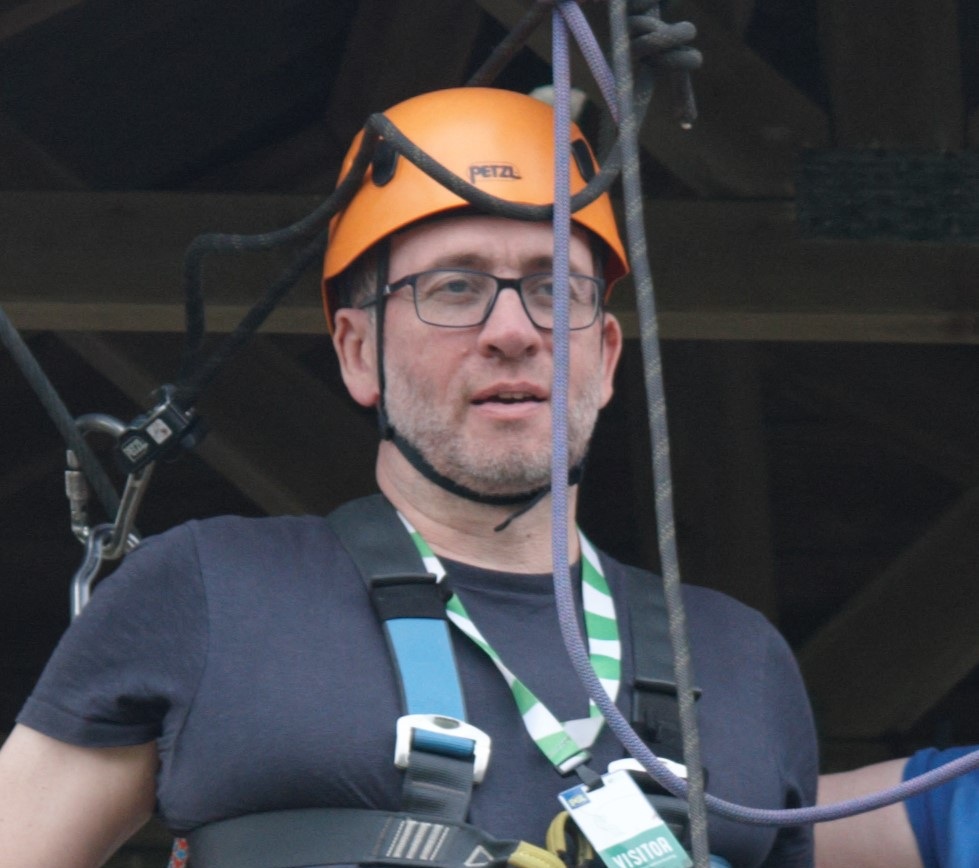
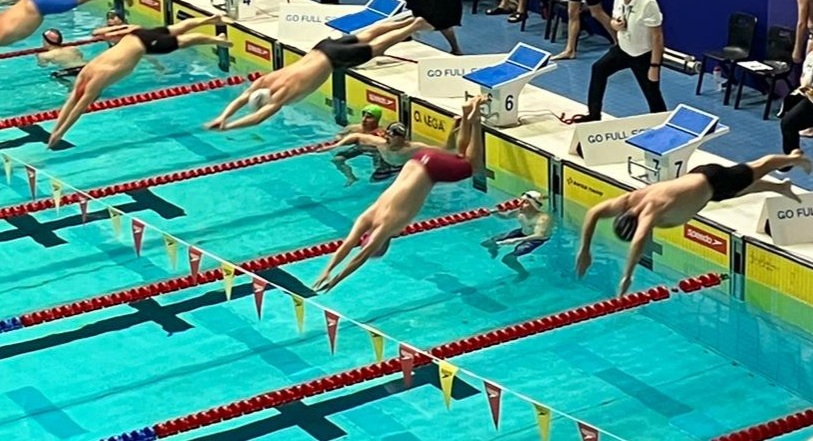
I returned to swimming almost immediately after leaving hospital. The irony that I’d brought a new stroke to the swimming pool was entirely lost on me as I never made that connection! I actually found it easier to swim than to walk in those early days. There’s something about the buoyancy, the ability to push and glide effortlessly, the safety of not being able to fall over. Shortly after, I returned to training again. This was a nerve-wracking experience, with the fear that it would happen again.
I swam competitively again in May 2026, and qualified once more for the English Masters National championships. That was something that I never thought would be possible when I lay, rather damp, in that hospital bed in my trunks.”
Your donation helps others like Richard on their journeys
There are 100,000 strokes in the UK each year with 1 in 4 happening to somebody of working age or younger. Different Strokes aims to promote independent stroke recovery and help these younger stroke survivors reclaim their lives.

Make a smile lottery is a weekly fundraising lottery. A fun and exciting way to help Different Strokes raise vital funds that will secure our future.
It only costs £1 per play, and you can choose to play every week or whenever you feel like taking a chance and doing something good. For more information click here.