Firewalk fundraiser raises nearly £4,000 for Different Strokes
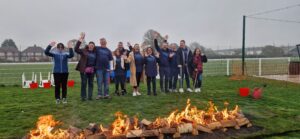
A huge thank you to everyone who took part in our Different Strokes Firewalk 2026, helping to raise nearly £4,000 to support younger stroke survivors


 I was 26 years old when I had my stoke. It was a haemorrhage and out of the blue, on the left side of my brain. I was absolutely shocked. It was just a normal day.
I had never taken a day off work, and that Monday happened to be a training day. My mum does not work on Mondays and she suggested taking the day off (which I never do) because of how I seemed. I had a really bad headache like a migraine and was feeling sick. I remember texting my friend and that is about all I did remember for a while. My mum kept checking on me and then noticed I was unresponsive, and my pupils were dilated and called the ambulance who arrived and took me straight to the stroke unit at NWP Hospital which was the most local.
On arrival at the emergency unit they thought I had an epileptic fit or a migraine and did not think it was anything serious. The paramedics waited around and insisted to the doctors that we should get a scan done as they thought it was something more serious. Eventually, the doctor took me for a brain scan and came back and apologised several times telling my parents that I had a massive bleed in the brain and had a 50% chance of survival. I am so grateful to those paramedics who saved my life.
I am also so grateful to my dad who was with me at the hospital because he absolutely insisted that I get transferred immediately for an emergency surgery.
I was then transferred to UCLH (University College Hospital) that day and underwent surgery to stop the bleed and relieve the pressure on my brain. The doctors told my family that they would not know what damage would have been done until I would wake up. When I did wake up I knew and recognised my family, but then when I was trying to say some words, they just wouldn’t come out or would come out wrong. The right side of my body was also really weak.
My balance and coordination were affected significantly by the stroke. At the start I didn’t even know if my walking would improve, but then the intense rehabilitation started. As well as the painful and endless physical work to help my body get better and stronger , the sessions helping me learn (or relearn) to cook, walk, talk etc., extended my time there.
Even though I knew the words sometimes, especially in the early days, I often had to resort to pictures to try to explain what I needed or what I wanted to do. Looking back, they were such simple things, that people so easily take for granted. How would I manage in a shower? How would I dress myself, could I make a cup of tea, could I brush my teeth, etc?…
I felt determined. I felt strong, in the sense that I thought I was going to get better. Saying that I didn’t even really fully understand I’d had a stroke until much, much later. Fatigue was so overwhelming! Frankly I was so weak that I really didn’t know what was going on. I do remember all the people around me on the ward seemed elderly and I felt like I was in the wrong place.
Eventually friends were allowed to come to visit me. I noticed that they could say words, that I just couldn’t. At first I wondered if it was just because I hadn’t slept properly, or that I was so tired. I didn’t know that my life seemed to have changed forever. In rehab there were loads of things to do, but what I really want to urge anyone in the same situation is to do them. Keep busy!
Before my stroke I was a full-time Primary School Teacher and I worked with thirty children – and it was upsetting to come to realise that it’s not likely that I might not be able to relive that passion.
While we were in lockdown I wanted my passion to keep busy to help others in a similar situation. Things I tried to do to pass the time while on lockdown in included:
It’s been a difficult time for everyone. Most of my friends and family have been working from home and trying to get used to a different setting in the midst of the pandemic that’s happening. Some have also had to cancel weddings, stag dos, and hen dos – this must be so upsetting, especially because of the huge amount of time spent planning them!
While making sure we’re okay we must also do what we can to help the vulnerable people in our society. It must be particularly hard for them as some aren’t able to leave their house for so long. We can do our bit to help and support them.
I also wanted to acknowledge and thank all the keyworkers who are helping the wider community during this difficult time. Many are sacrificing time with their families and even risking their lives to help others. It is so inspirational.
You can sign up to volunteer to help a vulnerable person by collecting their groceries, or help deliver vital NHS supplies and read more information on the NHS website here.
Being surrounded with the threat of illness has given me flashbacks about what happened to me when I had my stroke, if other people will suffer in a similar way that I did, and if other people will be OK. Initially, I felt very positive and strong and I was inspired to help others, but recently it’s been difficult. I’ve felt low, anxious and lost. I think everything has caught up with me and I have bottled up my feelings – which is never a good idea! Being on lockdown makes me feel stuck, like I don’t know where I am going. Everything has been put on pause and sometimes it’s difficult to see the end.
I know lots of us are feeling this way so it’s really important we support and help each other through this difficult time. We don’t know how long this will last but all we can control is our thoughts and behaviours. Take the necessary precautions – washing your hands, avoiding unnecessary travel, keeping any required social distancing from others, and only go out when you need to. By following these guidelines, we are helping ourselves, each other and we will beat the virus sooner.
I’ve also really been missing the physical contact when meeting people – we can still talk to people on FaceTime but not being able to hug and touch those who are close to me is something I really miss.
I’d like to know, how are you feeling? What is the first thing you will do when the lockdown ends? For me no doubt I will be seeing my friends and family and visiting my favourite restaurant! I also can’t wait to see the children at work and my nephews and nieces as that always makes me feel extra happy. Please share how you are feeling so others know they are not alone, and maybe we can all help each other in some way.
Use this time to reflect and understand what you want to do when this is all over. It could be something for yourself or for helping others. The more you give in life the more you get back and even if that is one thing we learn from this experience that is an achievement in itself.

My passion has always been to work with young children but I found I couldn’t work with large groups, yet I didn’t let that defeat me. My aim in life is to help others. I love working with young kids so recently I have being able to work with smaller groups that I could manage and it has been wonderful.
My advice to anyone who’s recently had a stroke is to remember that we’re survivors and we’re lucky to be here. I’ve made loads of friends and fellows because of this and although was all seem to have this common foe I’m grateful to have had loads of contact with others in similar situations through social media and video conferencing.
I’ve even been to visit children recovering in hospital, on the wards or helping out with colouring classes or art. We can learn so much from and support each other in our individual journeys. This is actually where I learnt about Different Strokes where I came across the Facebook group for younger survivors. I wanted to learn more about stroke and found the input from the other group members really useful for and helpful with that.
Recently though I’ve been learning that having some “me time” is important. I have to remember to slow down! I always want to help but I’ve recently learned that I have to make sure I look after myself so that I can be useful to others. But helping others helps me too. Sure I have ‘down days’ but I ask myself when things seem to go on hold, do I want to stay in bed, or do I fight and get through this?
My speech was a big issue for me. I learned a lot from the Stroke Association and their website about it and they’ve really helped me with that. It’s doesn’t seem well understood but the NHS website has information about it that you can read about here where you can also find links to other organisations.
As well as other members of my family I was involved with the One Kind Act charity before my stroke, seeking to create a sustainable improvement in the lives of people suffering from poverty of health and education around the world.
Getting involved more has helped my recovery but facing my fears and taking part in a speech, even though I struggled was the most rewarding. It was early in recovery but I managed it! I was very nervous, but I knew that if it could help people that’s all I really wanted. Watch the speech here
We are blessed that we’re here. It’s a miracle to be alive as much as to help others.
A huge thank you to everyone who took part in our Different Strokes Firewalk 2026, helping to raise nearly £4,000 to support younger stroke survivors
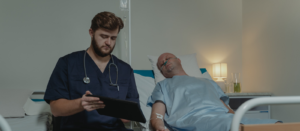
A member of the Different Strokes community, Maya Kuzalti, has co-written an important new report looking at what happens to stroke survivors after they leave
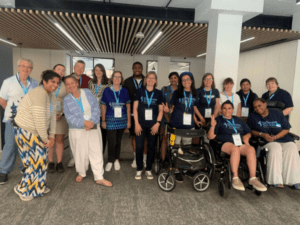
Different Strokes is bringing its Community Event to Liverpool on Tuesday 1 December, offering younger stroke survivors, family members and carers the chance to meet
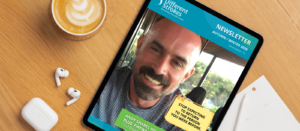
Our Autumn/Winter 2026 newsletter has arrived! The latest edition of Different Strokes News was sent out in print at the end of October, and you
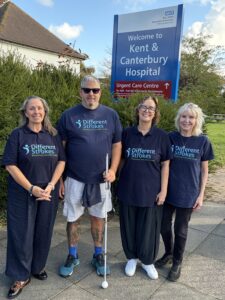
Different Strokes has celebrated its biggest World Stroke Day campaign yet, with supporters, volunteers, healthcare professionals and stroke survivors coming together to share vital information and raise awareness of stroke in younger people.

Thursday 26th November 2026 | 2pm GMT Planning for the future can feel daunting, particularly when a stroke has affected someone’s ability to make certain