

10 Tips for Remaining Independent After a Stroke.
When you have problems with your mobility, it’s easier to ask other people to do things for you rather than do them yourself. I live on my own, but have carers coming in four times a day, and until about six months ago they did everything for me.
Recently though, I’ve realised that it’s so important to maintain some form of independence when the use of your legs is taken away.
This can be done in the smallest of ways, here are my top 10 tips on retaining your independence:
Start with one task that works for you.
Whether it is running the vacuum cleaner around, doing the laundry yourself or washing your own dishes. It doesn’t matter what it is as long as it makes you feel that you are contributing to your own life.Only do what your capabilities will allow.
Don’t force yourself to do something that might endanger you. It is frustrating when you just want to get something done! However, if you go too hard or do something that puts you at risk of falling or hurting yourself you can put your recovery back.Pacing is a really important tool to manage fatigue.
This could mean that you split tasks up. It could be helpful to set a timer and do 10 minutes and then rest for twenty and then do another ten minutes. Doing tasks this way can really help to minimise the effect on your mind or body.Start small.
Just think ‘I’m not going to ask someone to do this for me, I will do it.’ Even if it’s getting something from another room. If you are capable of doing it yourself then go for it!Get the right equipment for the job!
It isn’t affordable for everyone but there are great mobility aids available. If you’re struggling with the hoover there are some great lightweight options available. If you are struggling to open jars there are lots of one-handed tools online that will make the job much easier!Get tips from other survivors.
Our online Support group is a fantastic way to talk to other survivors. If you have a task and you need help trying to figure out the best way to do it! Ask in the group – some of us would have been there and done it already and can help.
You can join the group HEREKeep your support network informed!
One of the most difficult things for our loved ones is knowing our limits, sometimes our abilities can change from one day to the next. We all have good days and bad days. It is worth having an honest and open discussion with the people in your household about what help you want, what help you need and what tasks you want to start to do again and how they can help you to achieve that.It is also important for them to know that some days you might not be able to do what you did yesterday.
Don’t forget the perspective of those around you is important too – they know you well enough to have an insight into what help you might need.
If at first, you don’t succeed – re-define success!
This transition isn’t always going to be easy. You will find there are some tasks or responsibilities that are too much and that is OK. Don’t define this as failure; it is a success because you tried! Ask for help when you need it – this is sometimes actually the strongest thing you can do!Only compare yourself to yesterday!
The truth is you may naturally think about how you might once have been able to clean the whole house in a day and now doing the dishes feels like an achievement! These realisations whilst painful are a natural part of any grieving process. After a time these thoughts aren’t helpful to you or your recovery. Focus on how far you have come from the early days to now and not what you used to be able to do.Celebrate Progress
On the Different Strokes support group we regularly celebrate each other’s milestones and achievements. From putting on your own mascara, to the extremes of running marathons – we are in this together so let’s celebrate our recoveries together!
I can say first hand that you will feel a lot better for it! The sense of achievement you get is on a new level! – Haylie
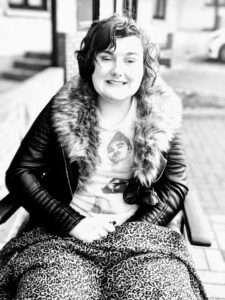
Haylie Dunne is Different Strokes Blogger Extrodinaire! Haylie survived a brain haemorrhage aged just 18 and then went on to have a mini-stroke five years ago. Now aged 26 she volunteers at Different Strokes HQ and writes blogs about her experiences as a younger stroke survivor.