October is World stroke awareness month, 29 October is World Stroke Day, close to my second anniversary of my stroke this year.
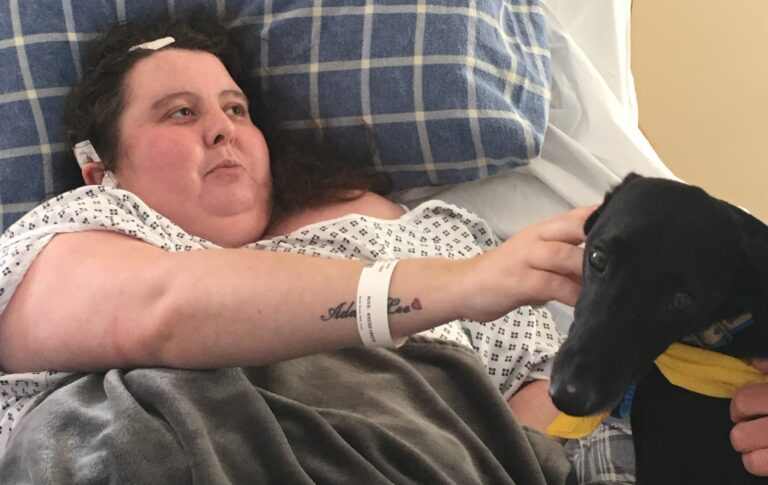
It has not been the easiest of times, to realise that as a healthcare professional, one can be struck by the very syndrome caused by a major event, which many among my present and past patient population have had. It is as much life changing for me as it is traumatising and head turning. The cause not clear in my case, the stroke caused the small part of my medulla oblongata starved of oxygen as it was an ischaemic stroke. The lesion was only the size of a pinprick, onset of symptoms spread over several days following a severe chest infection treated with antibiotics, to which I’d responded with hives,
• Headache located above right eyebrow 6 days before admission,
• Feeling rough and wobbly from 5 days before admission,
• Unable to swallow from 1 day before admission, choking incident at work,
• Suspected Bell’s palsy right face
• High blood pressure measured at minor injury, day before admission
• Tingling in left hand and arm
• Asymmetrical sensation of temperature between two sides
• Further tingling in whole left side of body
• Completely unable to utter sound as vocal cords seem to refuse service.
The symptoms then gradually worsened to show ataxic gait, nystagmus and extreme dizziness; by that time I was feeling pretty rough, but still not acknowledging that this was a stroke I was having.
The day of admission all of the above appeared to still be present but I was still in denial. I was cognitively ok throughout. An alert nhs app told me to call 999, but no; I called 111 instead. Another very helpful nurse at 111 sent ambulance around after I’d explained the above symptoms with screeching loud whispering voice. I packed my suitcase before the paramedic arrived. I underwent tests for my cranial nerve functions; an examination I was too familiar with, he phoned ambulance straightaway and I got taken to hospital.
The blue lights when I see them arrive at the hospital where I now work still give me goosebumps. As physiotherapist, I was always well aware of the visible symptoms, for they are the clear signs we work with. The invisible symptoms of stroke are much harder to grasp for someone who hasn’t gone through it, being the team around the patient, their families, partners but most certainly the healthcare professionals. As a physiotherapists I have historically been aware that I can be a leading light, steer rehabilitation. I have been informed several times by fellow survivors among my support group, of poor practice where the rehabilitation was made difficult by lack of understanding for their symptoms; they were told to just push through their tiredness, or lift a limb they didn’t even feel the slightest control over. I have been lucky that I was surrounded by an excellent team who understood my invisible symptoms such as the pain and the brain fog and most importantly the fatigue, of which I did not have any grasp, prior to my own stroke. Yes, I knew the word related to many other conditions, but I would not have connected it with stroke.
Central Post stroke pain syndrome has been my worst enemy along with the fluctuation of symptoms, occasionally cropping up so high under the influence of fatigue that it nearly felt as if I was having another stroke. I had certainly used up all of my spoons of sugar when that happened, most certainly because I hadn’t started off with the normal amount of spoons everyone else has.
Not every stroke apparently presents with those typical symptoms that one sees in the TV infomercial and therefore even a healthcare professional can be in denial about having a stroke themselves, when confronted with a slow onset of atypical symptoms of dysphonia, dysphagia, tingling sensation on one side of the body and drooping face on the opposite side. Frankly, it made me feel like a fraud right up until my diagnosis following the MRI confirming I had a Lateral Medullary syndrome (Wallenberg Syndrome), caused by a clot in the Medulla Oblongata.
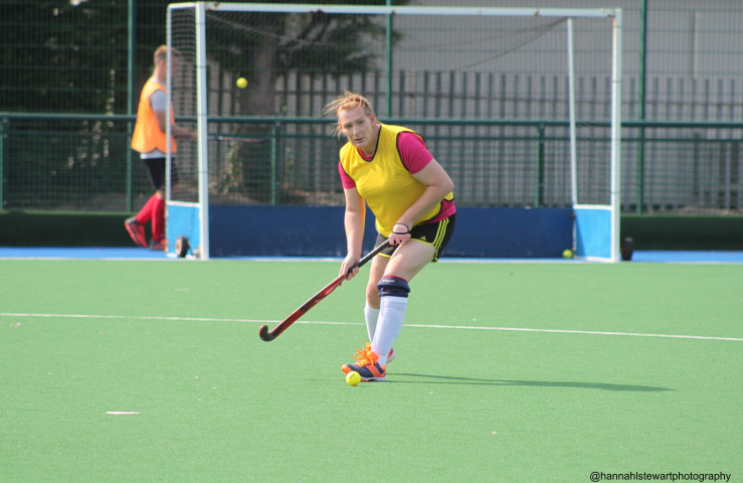
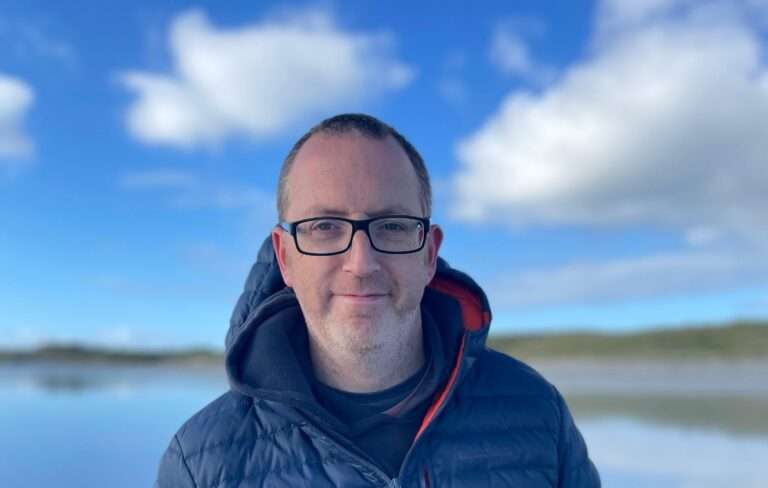
In the last 22 months since my stroke I have been able to pick up my professional and personal life and pieced it back together little by little. I have warmed to using my lightweight wheelchair with my 4 year old son as the brightest sun in the sky sitting on my lap and my partner standing by me supporting me throughout, and stopping me from tipping back, when taking a kerbside, literally and figuratively speaking. I have been fortunate to find a welcoming employer who saw the potential in me even when I interviewed about 3 months post stroke. Having survived the event has helped me to want to be a better person, but most importantly shines a different light on my identity as a physiotherapist, determined to spread the word among colleagues and patients that I feel with them and that my stroke makes me more of a physiotherapist, rather than less.
I would not have had this insight without my fellow stroke survivors in the Different Strokes support group for young stroke survivors based in UK and the Wallenberg Syndrome supporters worldwide who have made me feel less weird for having such harlequin style symptoms.