

Some Of The Many Important Things My Wife Has Done To Help Me Post-Stroke

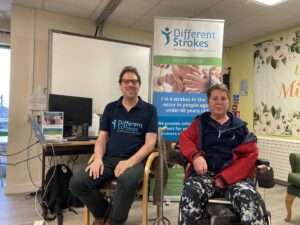
David who wrote this blog is pictured in a black Tshirt facing the camera with a smile on his face.

David Morten-Lawrence

“At the age of thirty, I never expected to have a stroke. Unfortunately, that is exactly what happened, and a slew of other struggles soon presented themselves during my recovery. As a highly creative writer, I chose to use my skills to help other people in a similar situation so that we can all feel less alone during the aftermath of having a stroke at a young age.”

It has been over two years since my stroke, and I have spent a lot of that time reflecting on my own experiences and how far I have come in that time. However, this massive life shift has also occurred to my wife. She has been the one who has had to make adjustments and care for me in my time of need, and go through many of the same ups and downs as I have.

Many stroke survivors have someone like this in their lives, and it is rare that these people get the credit or attention in the community that they deserve. That is why I wanted to write a short blog about some of the things my wife has done for me during my recovery, so that others may find these suggestions and consider implementing these changes in their own lives. It may also provide other survivors with a reason to think or reflect on the many things their loved ones have done to make their lives easier post-stroke.

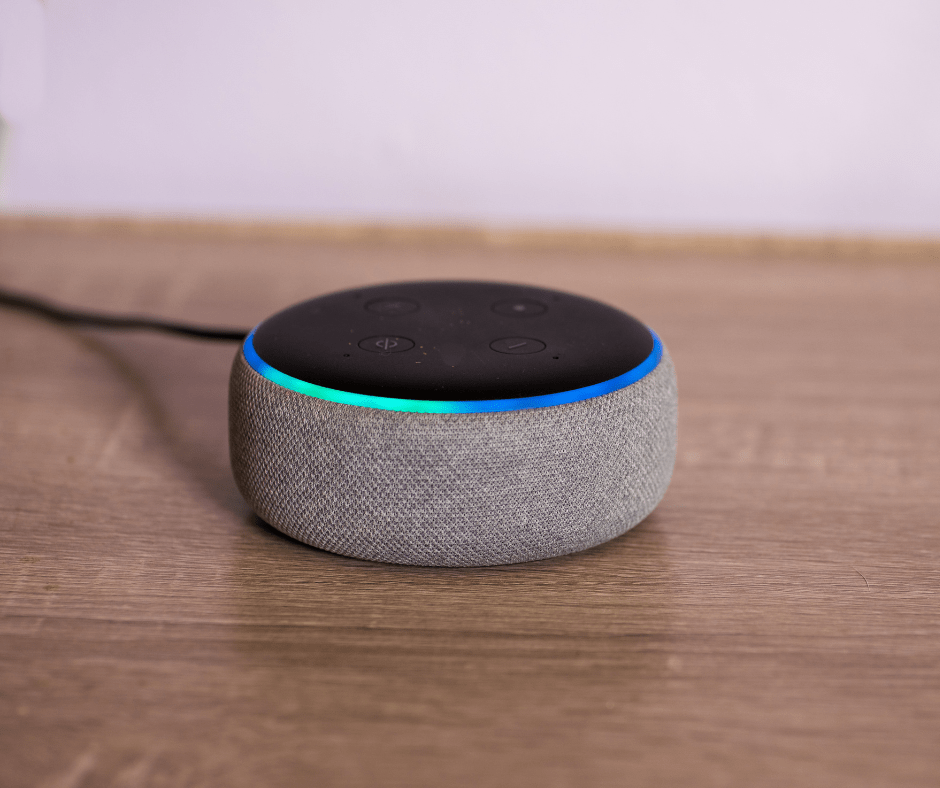
1. Setting Up Alexa In The Home

Alexa, Siri, or Google Home are pretty common things in the 21st century. People will know of someone who has this computerised gadget in their home or on their phone, and it can perform many tasks with a simple request.

 I personally saw no use for this type of device before my stroke, and I won’t pretend I have the patience necessary to get it working. However, my wife decided to get an Alexa system set up in our house right after my stroke. This system is connected to the lights, TV, and various other electronics in our house. As such, we can turn lights on by voice command without having to move to every switch.

This system was vital during my early recovery. This is because it allowed me to maintain my independence when I had limited mobility and keep on top of household routines. Even now, we still find more uses for our Alexa after all this time.

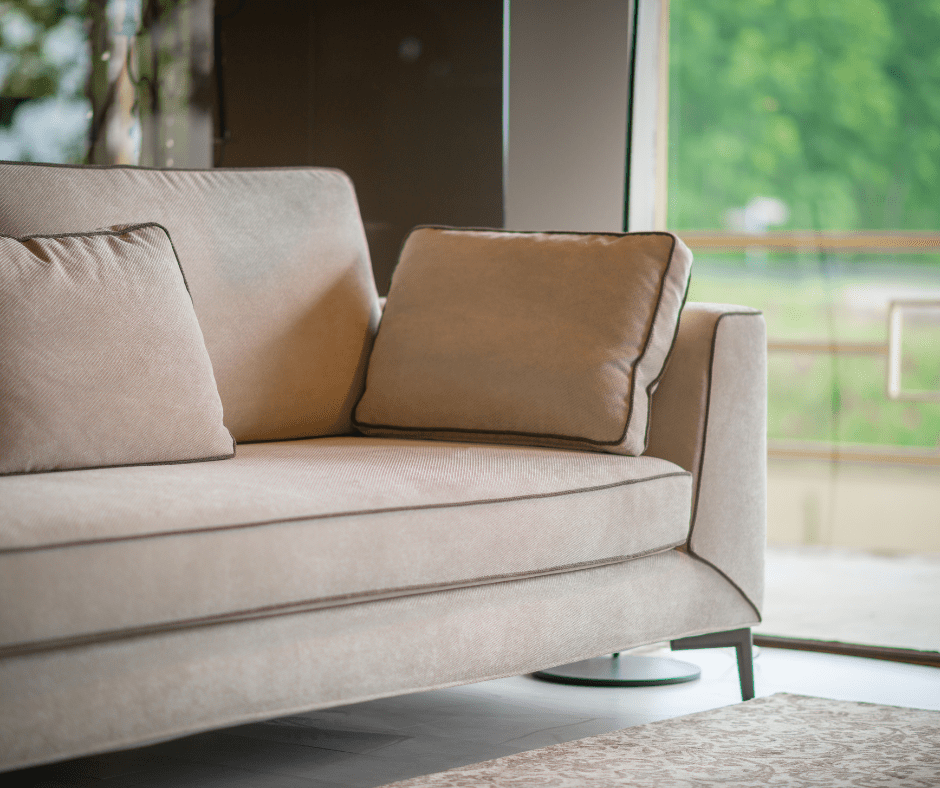
2. Changing The Sofa

It may seem like a small change, but my physio got a lot easier once my wife decided to get rid of our old sofa and replace it with something more suited to my needs.

Getting up off the sofa was the bane of my existence when I was first out of the hospital, and so my wife investing in a lower chair really helped me gain the confidence to get up and moving again.

Our old sofa was on its last legs anyway, and a new sofa isn’t too expensive if you know which charity shops to look in.


3. Setting A Communication Routine

Communication is key in any relationship, and that is especially true when someone has to come home from hospital with a new set of needs. Of course, I couldn’t continuously tell my wife about everything I could do by myself or the things I now needed help with. Also, my wife didn’t want to hover over me all day. She has her own things to do, after all.

That is why we came up with a system that allowed me to retain my independence while still allowing me to ask for help without feeling like a burden. My wife decided to let me carry on as normal and only came to my aid when I asked for help.  It didn’t matter how small the task seemed, she will come and help without asking questions. It sounds simple, but it lets me explore my abilities while also stopping my wife from having to patronise me. For example, I thought ring-pull tins would be easier to open than using a can opener.

However, I soon discovered that my left hand is not strong enough to pull the lid open or keep hold of a can long enough for my right hand to do the job. It has been two years, but we are still discovering things I struggle to do by myself.

4. Knowing When To Laugh

Obviously, having a stroke and losing half of my cerebellum at the age of thirty is not ideal and there have been many obstacles in our way in that time. However, we have found it easy to laugh at some of the absurdity of the situation.

There are times when the limits of my ability are cause for concern, like passing out at a concert. Although, there have been some funny moments along the way. Not being able to fully control my left arm has led me to throw food on the floor in public, caused me to randomly throw shopping lists in the supermarket, and even been the reason for many broken pots in the kitchen.

Rather than curl up into a ball and cry every time this happens, my wife and I find it easier to laugh. I know she isn’t laughing out of spite, so we just roll with what happens and try to find the humour when it presents itself.

Of course, there are many more things that my wife has done for me since my stroke, but these are just some examples that other carers might want to fit into their lives. Also, it is worth remembering  to give a shout-out to other carers in the future.

Get support with challenging feelings after a stroke

If like David, you are living with the challenges caused by a stroke and would benefit from speaking with others who understand, why not join us at our next virtual meeting?
Facebook
Twitter
LinkedIn

A Life-changing 5 Years

A Life-changing 5 Years! Colin Phillimore Colin is a stroke survivor, musician, poet and founder of the Different Strokes Poole group. After experiencing a stroke
Read More »

Join Our Mailing List

This field is for validation purposes and should be left unchanged.
Name
Email(Required)
Would you like to join our postal mailing list to receive physical newsletters in the post twice a year?
Address