Steve’s Story – Ischaemic Stroke at 49

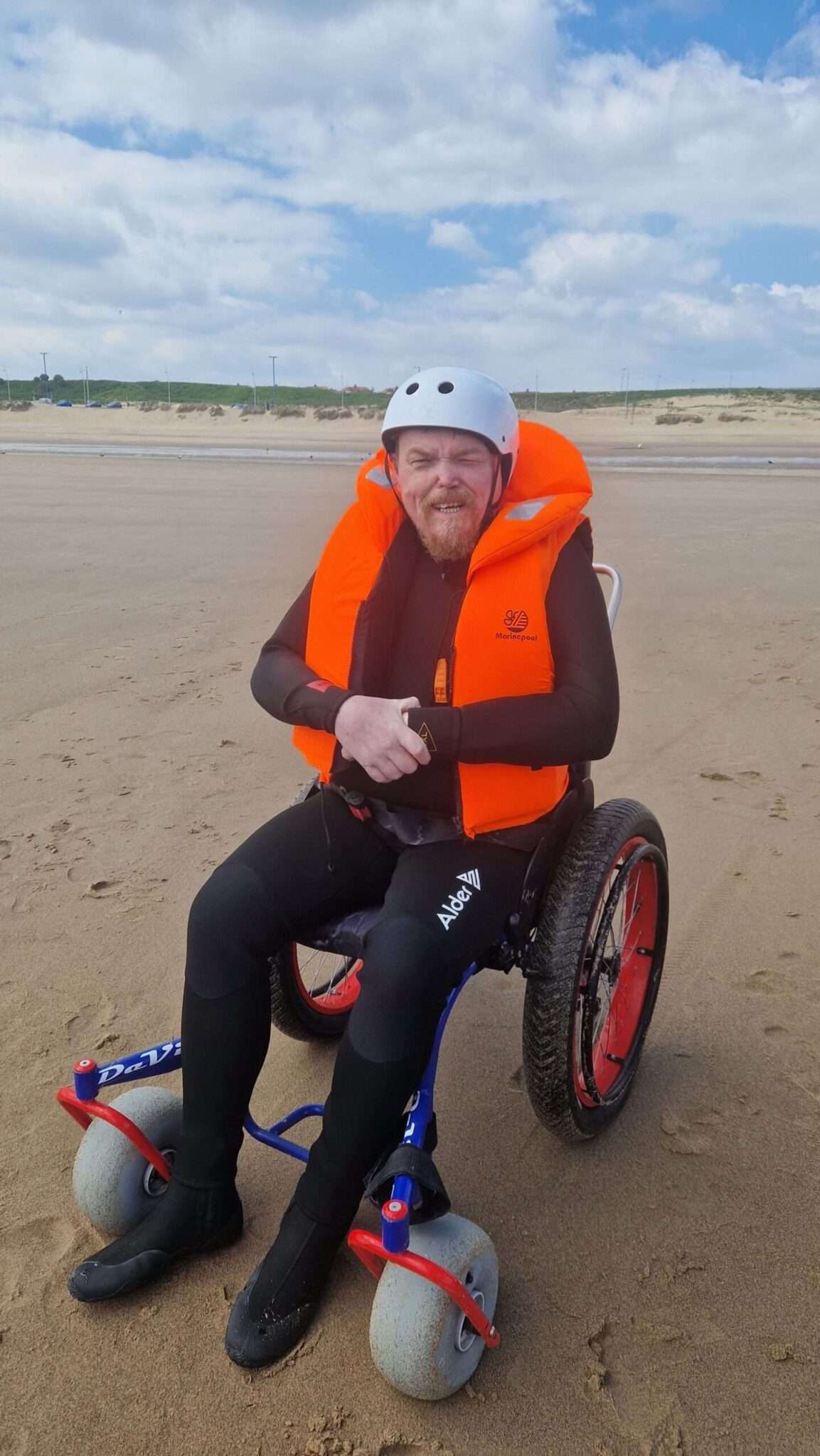
Picture of survivor Steve who had a ischaemic stroke aged just 49

I worked for Northumbrian Water as a photographer and videographer for just over thirty years before being made redundant, which is when I started working freelance.

During a photo shoot, I fell and hurt my back causing discitis, which is a rare but serious infection of the intervertebral discs in the spine. This infection caused sepsis, making my heart rate increase, which then caused atrial fibrillation.

As a result of this infection and AF, I ended up with a blood clot which resulted in me having a massive stroke, affecting the left side of my brain. Although I was lucky enough to have kept my speech and mental ability, it caused the left side of my body to be severely compromised with no connection to my arm or leg.

Recovery has been very slow, It took me three weeks just to learn how to move my fingers and a long time to learn how to move my arm and my leg. After around a year in hospital I was finally able to stand and walk (albeit slowly) and I was able to put one foot in front of the other.

I struggled with fatigue during recovery too. This was much related to my level of thinking rather than doing, with me being so compromised; hearing different sounds or talking for any periods would completely drain me and I would sleep for hours.

I went to NeuroActiveUK because I had spent so much time in hospitals, but had very little social interaction. With my prior job and most of my daily activities being very social, I needed somewhere to relieve some of that social need. One of the benefits of this place is not only the physicality of being able to access physiotherapy and the physical needs of the body, but also the fact that it is somewhere that understands the physical trauma I’ve gone through, and also gives me social interaction. The people I have to meet and the friends I’ve made being here, giving me the chance to funnel some of the social energy.

It’s taken me a while to understand that socially I can manage one-to-one or even one to a few people, but I struggle to filter out the communicated information if there are more than three people. So, I have had to reduce my social circle, as my brain just doesn’t function like it used to. This was difficult as I’ve been so used to working and communicating with people in big groups but being with other survivors helped with that and has given me some of my confidence back. For me attending local stroke group sessions keeps my spirits up and gives me something to look forward to on a Monday and Wednesday, which is also good for my mental well-being, it gives me the confidence to get through the rest of the week too.

Everyone is like-minded and all suffered similar traumas having neurological challenges, and overcoming these is quite often a solo challenge, where there is a whole bunch of us in the same boat supporting each other and it makes a massive difference. It isn’t about fighting the condition; it’s about accepting this is what you’ve got and rolling with the punches, together! One of my long term goals is to be able to use my hands and get used to using my camera again. I have a big camera that I use for filming and photography which I need two hands to operate, because of its size and weight. Since my hand doesn’t work very well, I need to relearn how to take photos again and adapt to my new needs.

One of my more recent goals is to give myself a sense of fitness back because my body is much more sedentary than it used to be. Often, I’m sitting in my wheelchair and not walking an awful lot, allowing myself a chance to attain a level of fitness and strengthen my core. A lot of the activities I need to be able to do with my camera is core focused. I spend time with trainers, who give me advice and exercises around strengthening my core.

Neuro physiotherapists help with the neurological aspects of the brain communication and functioning of the different parts of my body, which is called neuroplasticity. I see this as basically retraining the brain to rebuild the connections needed to move my arms and legs again, which is something not a lot of people understand, but is really important when it comes to recovery and rehabilitation.

Picture of survivor Steve who had a ischaemic stroke aged just 49

One of the things I believe a stroke survivor might need to understand, is that earning to move the legs and arms again is the function of the nervous system. You walk using the body, not your brain, and that’s why we have to retrain our brain to learn how to walk and then train it again to forget how to, once your body can do it automatically; it’s a very strange thing!

I have tried to keep up with what I have been taught and learn as much as I can about the mind and body, just so I can get as much as I can out of every session because I find it very fascinating. I’m keen to make myself a fundamental part of my own recovery, and in doing so I found myself saying yes to anything and everything. So when I was asked if I would like to surfing, I was like
“Yeah, go on then!”

I wouldn’t say I enjoyed it, and in fact I felt a bit like a black pudding in a skin The preparation of getting into the wet suit was an event in itself! Once I was in the sea it was alright though. We were seated in the middle of the surfboard so it was completely stable. One of my biggest fears was the surfboard tipping over, but I soon realized it was very stable. We rode the shallow waves to the shore and although that was a strange experience – and I’m glad to have had the experience, but I don’t think I will be opting in for that again!

I admire those other survivors I met who took on the climbing wall at a local centre, but I didn’t take part because I have a fear of heights and just couldn’t bring myself to do it. I would have lost my insides just through complete panic! I’ve been making use of local opportunities now for just over a year, and I’ve always felt the compassion of everyone here. 

One of the events that has shown me the warmth of this community was when I fell and broke my hip in December last year. I’d spent seven weeks in hospital getting my leg pinned and fighting infection again, but when I returned to one of the centres I’d been to and was wheeled in, everyone cheered for me!

It was such a lovely feeling to know I was back in such a lovely caring environment, with people who truly care and it was so nice to be back. Some of the folk at local stroke related groups often make my whole experience an absolute joy and pleasure – and did for me. Some might like to take the mick and have a good bit of banter, but I give as good as I get, and that is what makes some places different from others, but with such a lovely environment to be a part, I would strongly recommend to anyone living with a neurological brain injury to do what I did and find what’s available for them locally.

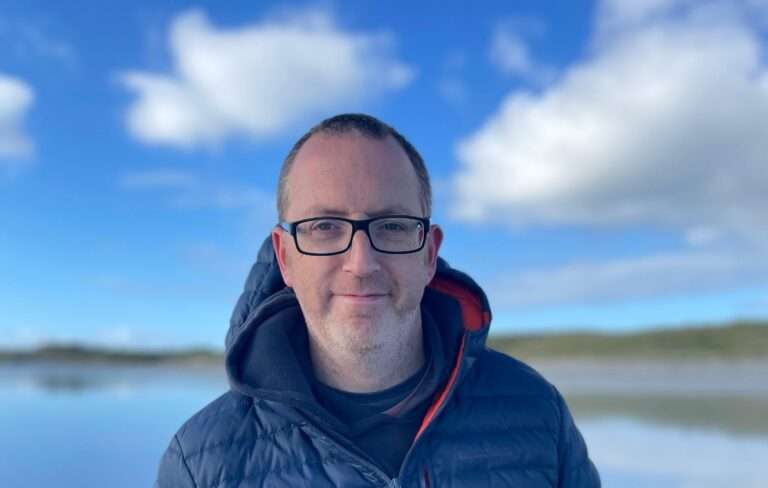
Picture of Steve who survived an ischaemic Stroke at 49

Your donation helps others like Steve on their journeys

There are 100,000 strokes in the UK each year with 1 in 4 happening to somebody of working age or younger. Different Strokes aims to promote independent stroke recovery and help these younger stroke survivors reclaim their lives.

Make a smile lottery is a weekly fundraising lottery. A fun and exciting way to help Different Strokes raise vital funds that will secure our future. 

It only costs £1 per play, and you can choose to play every week or whenever you feel like taking a chance and doing something good. For more information click here.

Facebook
Twitter
LinkedIn
Facebook
X
LinkedIn
Pinterest
Reddit
WhatsApp
Email

Join Our Mailing List

This field is for validation purposes and should be left unchanged.
Name
Email(Required)
Would you like to join our postal mailing list to receive physical newsletters in the post twice a year?
Address