Nidhi’s Story – Ischaemic Stroke at 41
- Greg Hollingworth

The Chapters I Didn't Plan to Write

If you had asked me to describe my life before my stroke, I would have said it was busy, full and, on most days, good. I was working full-time as a technology architect in the retail sector, commuting into London and managing the kind of workload that never really switches off. Like many people, I was used to juggling multiple things at once. It was demanding, but I enjoyed it. That said, life had already thrown me a challenge.
During lockdown, I was diagnosed with thyroid cancer. Even though my treatment was considered straightforward – surgeries followed by radioactive iodine – the experience cut far deeper than the medical process itself. It forced me to confront my own vulnerability in a way I never had before.
My priorities shifted almost overnight. The things I used to rush through or take for granted suddenly felt fragile, temporary, and precious. I began to slow down, not out of choice but necessity, learning to treat myself with a level of care I had long denied. I still worked, kept the household running, still showed up as a mum to my five‑year‑old – but the way I looked at life had changed. My perspective was different. What mattered, and what didn’t, became painfully clear.
By May 2023, things felt like they were settling into a new rhythm. We had even planned a short trip to Vienna. It felt like a chance to relax and enjoy life again. I had no idea how quickly everything was about to change.
The Morning It Began
The morning of our flight, I woke up and immediately noticed something wasn’t right. My left arm felt completely numb, with pins and needles that wouldn’t go away. It was strange, but not alarming enough at the time. I assumed I had slept on it awkwardly.
We were due to fly that morning, and I didn’t want to disrupt the trip, so we carried on as planned. Looking back, that decision feels surreal.
During those three days in Vienna, things didn’t improve. My arm remained numb, and I started noticing other small issues. My balance was slightly off, and I kept dropping things. It felt odd, but I still didn’t connect it to a stroke. Like many people, I believed strokes happened to older individuals, not someone like me at 41.
I did speak to an online GP, who mentioned it could be a mini stroke. That concerned me enough to visit a hospital in Vienna. However, after a basic physical check, they reassured me that everything seemed fine and sent me away.
That reassurance gave me a false sense of comfort.
When we returned to the UK, I still didn’t feel right. The numbness hadn’t gone, and my balance was still off. This time, I trusted my instincts more and asked my husband to take me straight to A&E.
At the hospital, they carried out a physical examination and again told me nothing was wrong. I was sent home. I remember feeling uneasy, but also exhausted from travelling. Part of me wanted to believe them.
The next night, I went back to A&E. I couldn’t sleep and knew something still wasn’t right. This time, I pushed harder and asked for further tests, as I had already been told it could be a mini stroke. While they were taking blood, I suddenly felt faint. I asked if I could sit down, but I was told it would only take a moment.
The next thing I knew, I had collapsed. That moment changed everything.
The Diagnosis
After I fainted, things escalated quickly. I don’t remember everything clearly, as my memory of those early days is very patchy, but I’ve been told what happened. I was in A&E, and suddenly the situation became urgent. I was no longer someone being reassured that nothing was wrong. I was a patient in crisis.
I remember fragments. I was on a stretcher, hearing conversations around me. There were discussions about whether to airlift me to Cambridge or take me by road to a specialist hospital in London. Time was critical and decisions had to be made quickly.
Eventually, they chose to transfer me by ambulance to London. I could hear everything, but I couldn’t respond. I had no energy and no control. It felt like being trapped inside my own body. It was terrifying.
Coming to Terms With a Stroke
I was later told I had an ischaemic stroke caused by a clot on the right side of my brain. Even now, the cause remains unknown.
Over the following weeks, I underwent every test imaginable, including heart scans, blood tests and spinal fluid tests. I was also monitored for other possible conditions. I still have a heart monitor implanted to track my heart rhythm over a longer period. Despite all of this, no clear cause has ever been found. That uncertainty is difficult to live with.
I had no family history of stroke. I was relatively young and, aside from my previous cancer treatment, in good health.
The Early Days of Recovery
The early days after my stroke were confusing and frightening. I didn’t know what to expect. People talk about a “new normal”, but at that stage, it is hard to understand what that really means.
Physically, I had significant challenges. I had no awareness of what my body was doing at times. I remember being asked to move my leg and thinking I had done it, when in reality I hadn’t.
There was a disconnect between what I believed my body was doing and what it was actually doing. Over time, some things improved. Others did not.
Living With Invisible Effects
Three years on, I am better, but I am not the same. One of the most lasting effects is in my left hand. I have reduced sensation and dexterity. Simple tasks such as buttoning clothes, chopping vegetables or holding objects can be difficult.
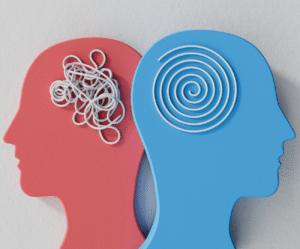
There is also fatigue. Stroke fatigue is not just feeling tired. It is overwhelming, unpredictable and often misunderstood. Then there are the cognitive changes. Before my stroke, I was used to multitasking constantly. After my stroke, that became much harder.
My occupational therapist advised me to focus on one task at a time. In my line of work, that is not always realistic, so I had to find ways to adapt. I now rely heavily on writing things down. I always keep a notepad nearby to make sure I don’t forget important details.
At one stage, I would completely miss things on my left side, even if they were directly in front of me. That has improved with time and practice, but it was very unsettling in the beginning.
The Emotional Impact
Emotionally, the experience has been just as challenging as the physical side. I was very scared, especially in those early days when we didn’t know what was happening. There was also frustration, particularly when I felt I wasn’t being listened to at first and things not working as I would expect.
At the same time, I feel a deep sense of gratitude. I am grateful to the NHS. Even though my experience was not perfect, they were there when it mattered most. When my condition became critical, they acted quickly and saved my life. That is something I will always appreciate.
Returning to Work
Returning to work was one of the hardest parts of my recovery. I was off for around six to eight months. When I returned, it was on a phased basis, starting with just a couple of hours and gradually increasing over time. Going back was not easy.
From the outside, I looked “normal”. People could not see what I had been through or the challenges I was still facing. That invisibility made things harder. There is often an expectation that you can pick up where you left off, but that is not how recovery works. Everything takes more effort. You become tired more quickly, and your brain processes things differently.
During my phased return, I was made redundant, but this was due to organisational changes rather than my stroke. The company moved its IT operations overseas, and the entire team was affected. In a way, that brought some relief. It was not about my ability.
Finding Ways to Adapt
One of the biggest lessons I have learned is that you have to find new ways of doing things. For example, I cannot hold and chop food in the same way anymore, so I have adapted how I work in the kitchen.
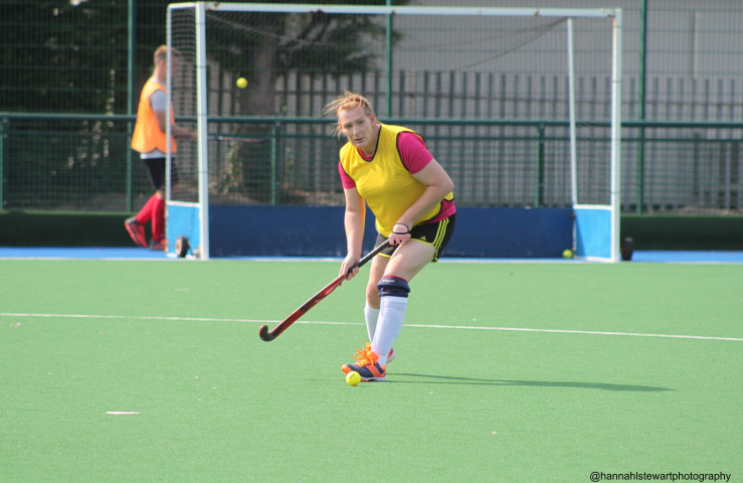
When you have a child at home, you do not have the option to give up. You find a way. I have also had to accept that things take longer, and that is okay. At one point, I was convinced I would never be able to dance again, which is something I love. I am not there yet, but I have not given up. I still believe it is possible – and I will make it happen.
Support and Community
During my recovery, I was introduced to support services and stroke survivor communities such as Different Strokes. Although I was not always able to attend groups in person, especially in the early stages, it helped knowing that support was available.
I found Access to Work particularly helpful. Through this, I was able to adapt my workspace to suit my needs, including a larger desk, supportive equipment and tools to make working more manageable. Support like this can make a real difference.
Looking Forward
Recovery is not a straight path. Three years on, I am still recovering. Some days are better than others, and some challenges remain. However, I am stronger than I realised.
My life is different now, but it is still mine. I have had to adjust, slow down and rethink how I approach things. At the same time, I am still working, still being a mum and still trying to get back to the things I love.
To anyone going through something similar, you are not alone. It is okay to feel frustrated and to grieve what has changed. At the same time, it is important to hold on to what you can still do and to keep finding ways forward. Life after a stroke does not stop. It simply changes.
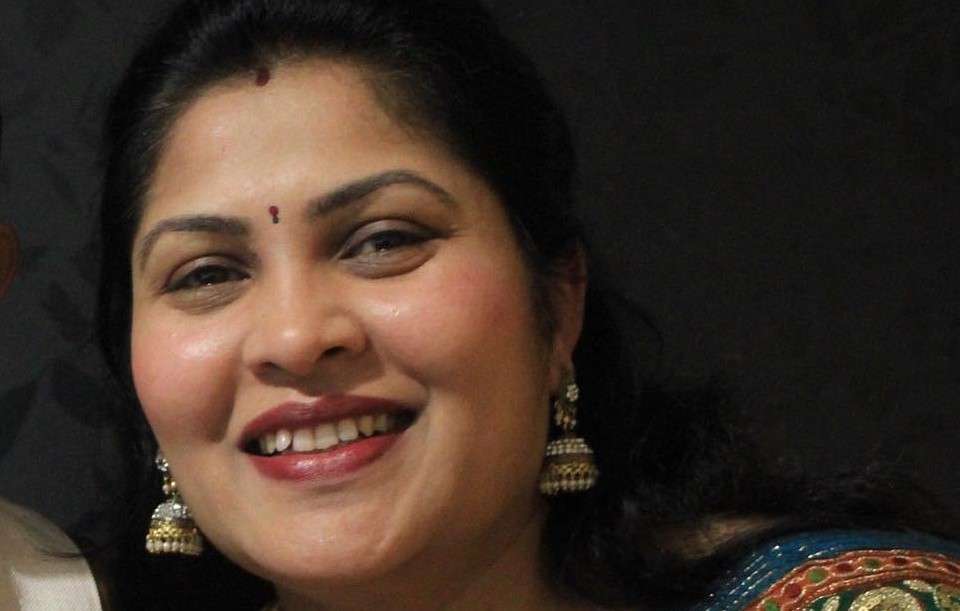
In May 2023, life changed without warning.
One moment, the world was steady and familiar. The next, everything tilted – a clot, a stroke on the right side of the brain – and the life I once knew split into a “before” and an “after.”
In the sterile quiet of the hospital, surrounded by machines that beeped and hummed like distant echoes,
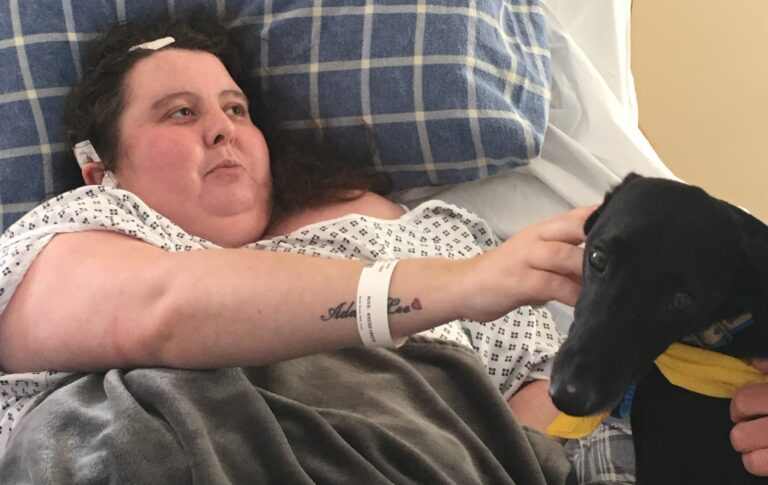
I lay still – not because I wanted to, but because my body had forgotten how to move. The stroke had reached into my life and gently, ruthlessly, taken things people rarely think twice about: walking, talking, eating… even the simple sensation of my own left palm touching the world.
For one and a half months, the hospital bed became both prison and cradle – a place of loss, but also the beginning of rebirth. Every day, doctors and nurses came with routines, tests, encouragement. And every day, I started the slow ascent from the bottom of a mountain I never asked to climb.
I learned again — not like a child, but like a warrior rebuilding myself after a battle.
A step.
A word.
A bite.
A breath. Each one a victory whispered only inside my heart.
The world moved on as I fought my silent battle. The days blurred into months. More than a year passed before I felt even a small piece of “normal” again. Even now – with left sided weakness, the soft numbness in your palm, the frustrating loss of fine motor skills, the fatigue that comes without warning – I continue learning what “normal” means for me now.
And still… every single morning, I rise.
Some days are heavy. Some days the mirror feels unfamiliar. Some days my body refuses to cooperate. But my spirit – that never stopped fighting me back on my feet.
Life didn’t give me a choice when it came to the stroke. But everything I did after… that was my choice. My courage. My strength.
When redundancy hit and pushed me into full-time work before I was ready, I could have broken. Instead, I bent – and then straightened. I carried the weight, because I had a mortgage, responsibilities, and a life still worth building.
And beyond the workplaces- outside the meeting rooms, corridors, and laptop‑warmed desks – I discovered something far more meaningful: myTribe. The people who truly saw me, understood me, and held space for me. The ones who didn’t flinch at my struggles or shy away from the harder parts of my story. They stood beside me with a kind of steady, unshakeable support, celebrating every quiet victory most others would overlook. In them, I found connection, belonging, and a reminder that I didn’t have to navigate any of this alone.
The stroke did not take the best of me. It revealed it.
I am not the person I was before May 2023.
I am stronger.
I am wiser.
I am more compassionate – to myself and to others.
I am a version of me forged by fire, softened by struggle, and strengthened by survival.
This new me – the one who gets up even on hard days, who accepts help, who finds joy in small victories – is someone worthy of care and celebration..
More than the version that came before.
More than the life that once felt so certain.
My story isn’t about loss.
It is about rediscovery.
It is about courage.
It is about building a life not of what was, but of what can still be.
And every day, step by step, I continue writing the most powerful story of all:
the story of becoming the new me.
Your donation helps others like Nidhi on their journeys
There are 100,000 strokes in the UK each year with 1 in 4 happening to somebody of working age or younger. Different Strokes aims to promote independent stroke recovery and help these younger stroke survivors reclaim their lives.

Make a smile lottery is a weekly fundraising lottery. A fun and exciting way to help Different Strokes raise vital funds that will secure our future.
It only costs £1 per play, and you can choose to play every week or whenever you feel like taking a chance and doing something good. For more information click here.