Karen’s Story – Ischaemic stroke at 54
- Greg Hollingworth

When My Stroke Happened
On the evening of Saturday 15th March 2025, I returned from a spin class. My week at work had been busy and particularly stressful and I developed a severe headache earlier in the week. I did not suffer with headaches normally, so this was unusual. My answer to everything was to work out at the gym as it usually made me feel much better.
I returned home and had a couple of glasses of wine to unwind with my partner. Later we were getting ready for bed, and I started slurring my words and struggled to get my contact lenses out.
My partner thought I was drunk and unbeknown to me, took a video of me trying to get my lenses out for over four minutes. I kept missing my eyes and could not understand it. I thought I was dehydrated, tired or had possibly had too much wine. We now know that this was a TIA. Watching the video afterwards, it is obvious that something was wrong as I was touching my forehead and cheek rather than my eyes and I look dazed and confused. However, at the time we did not recognise the signs. Upon waking on Sunday morning, I had a severe headache. My partner said I was acting strange and kept falling asleep whilst he was talking to me. He became frustrated and went to have a shower.
I felt odd, I was dribbling and my face felt funny. I wondered if I was having a stroke, although this would normally be the last thing I thought of as I was very athletic, had never smoked and was in good health. I tried to lift my right arm, which was fine, but then wondered if I needed to be able to lift both arms. My left hand and arm would not move and felt heavy, and I was also unable to move my left leg. I became very frightened. My partner came into the room and asked if I was ok as I had not moved. I tried to say I think I am having a stroke, but my speech was very slurred. Thankfully he understood and called an ambulance.
I was lucky as my partner did not live with me at the time and was only staying for the weekend. Things may have been very different if I was at home alone. The paramedics arrived within ten minutes. The strangest thing was that I could hear them but could not see them. My brain had stopped sending the correct signals to my eyes. This was extremely frightening and I could not understand what was happening. I was slipping in and out of consciousness. I cannot remember being in the ambulance but recall arriving at the hospital and the medics asking me questions which I could not understand or answer. It was determined I had experienced a major stroke. I remember a tunnel with lights and wondered if I had died, but it was the CT scanner thankfully!
What Caused My Stroke
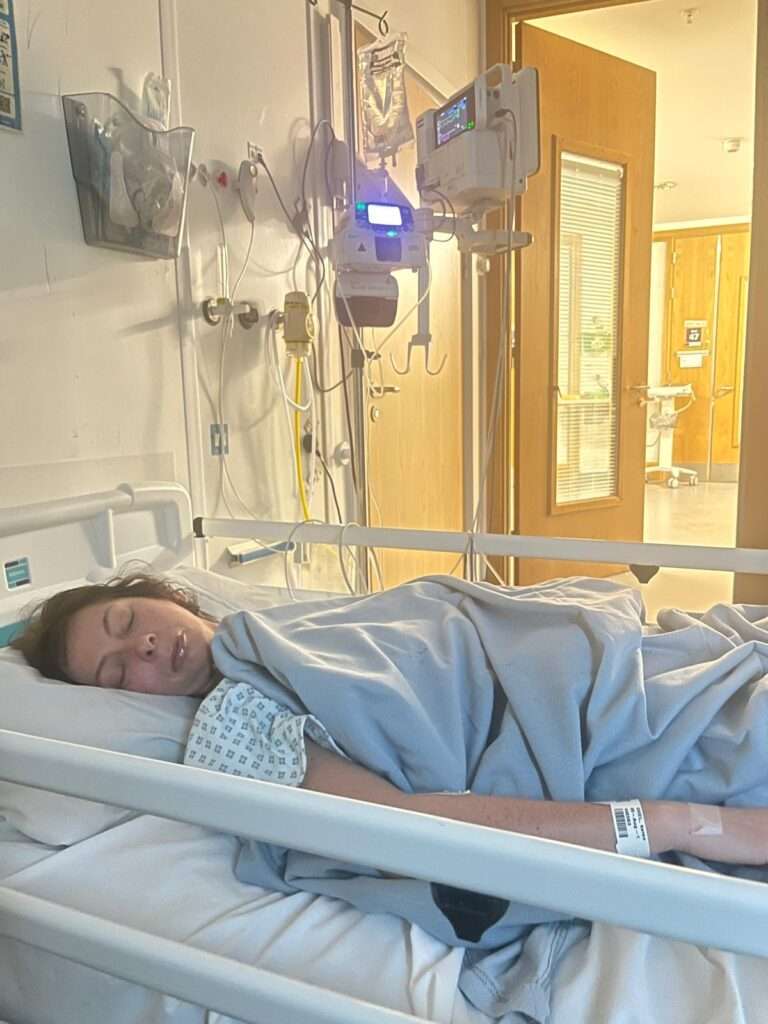
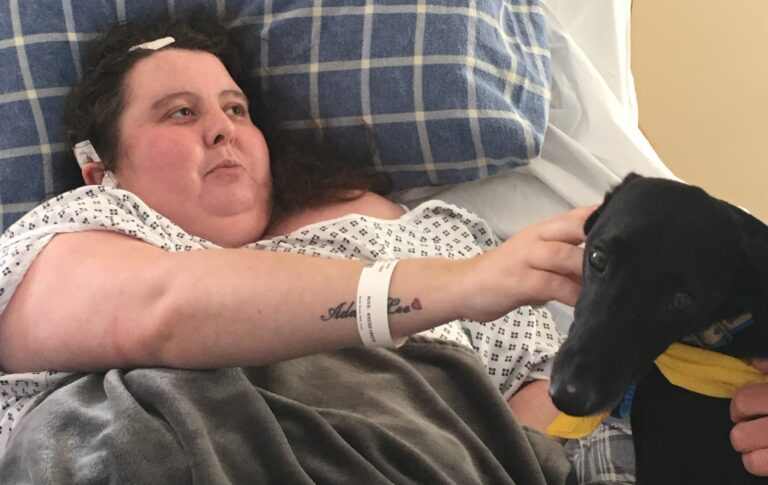
They found my carotid artery had dissected causing a clot and decided to perform a thrombectomy. I was lucky to live in Bristol near to Southmead Hospital which is excellent for stroke care. When I woke after the procedure, I did not know what had happened. My partner, mum and brothers were there, and it was so good to see them. I was able to lift my left arm and leg and talk, although my speech was slow and slurred. I struggled to swallow and was only allowed to drink sips of water from a teaspoon. I progressed onto a ‘sippy cup’ and finally after five days I drank out of a mug, which felt like a major achievement!
Initial tests indicated the possibility of a heart attack in addition to the stroke, due to significantly raised troponin in my blood. I had numerous tests and thankfully my heart was OK.
The cause of my stroke remains unclear. Doctors told me to stop my HRT as that may have contributed. I had to contend with menopause symptoms in addition to my post stroke recovery.
I stayed in bed in hospital for three days then the physiotherapy team came to help me out of bed and walk down the corridor. It was an amazing feeling to walk albeit slowly and with three physiotherapists supporting me. I was uncomfortable in hospital, due to the catheter, pressure boots on my legs to keep the blood flowing, the stent in my neck which was tender, as was the thrombectomy site. I was determined to get home and pestered the doctors and nurses until I was released after only six days.
I was told about Different Strokes by the hospital staff and the website became invaluable. I became slightly obsessed reading the stories of other stroke survivors.
I had no idea that strokes could occur in younger people and I was inspired and comforted by the stories of others. I felt very isolated and it helped to read how others got though their experiences.
Whilst I was desperate to be home, I was scared. I was terrified of having another stroke and struggled to sleep for eight months afterwards, due to severe headaches. I was eventually prescribed medication which helped. My brain was sending incorrect signals to my bladder and I felt a constant need to go to the toilet which led to very disturbed sleep.
My partner and mum looked after me for the first few days, but I wanted to be on my own to have time to get my head around what had happened and to become independent and start my recovery. I had an amazing team from Sirona who visited my home, including a nurse, occupational therapist, physiotherapist, speech therapist and rehab therapist.
I improved significantly within the first few months and then everything slowed down. I became frustrated with my progress. Physically I look the same. but the impact of the brain injury means that I have difficulties with visual processing which means I cannot drive.
How I Asked For Help
Even being a passenger or pedestrian is hard, although this is improving gradually each week. I cannot concentrate for long or multi-task. Following a recipe is difficult and even eating a meal and talking at the same time has taken a long time to master!
I remain off work and am unlikely to be able to return to full time employment. I am using this as a valuable life lesson. My job as a senior manager in the emergency services was challenging and stressful at times. I want to find a part time job ideally in a quiet environment. I hate the loss of independence and hope to return to driving this year. My life is very different now, but I feel lucky to be alive and recovering.
My personality has changed for better and worse. I am calmer and appreciate what I have, but I am very emotional and cry easily. I struggle to socialise as I find pubs, restaurants and shops overwhelming and my confidence has been affected. I am apprehensive about going out and meeting people. I used to be sociable and led a busy life, working full time, going to the gym every day and seeing family and friends regularly. I need to balance how much I can do as I continue to experience headaches which are worse when fatigued or over stimulated.
The Bristol After Stroke charity has been supportive. I recently started seeing a stroke peer mentor. It has been a relief to talk to someone who has had a similar experience and fully understands the challenges. She suggested I try ‘brain training apps’. I find this is really helping with my concentration and multi-tasking.
‘I am determined to continue my recovery although I have accepted that I may not return to how I was before. Maybe this is a good thing as I was always rushing around, stressed and irritable at times.’
What I'm Doing Now
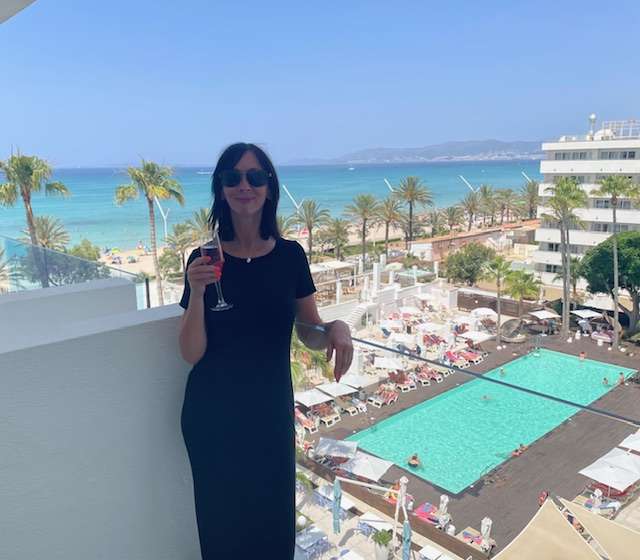
I am planning to climb Pen y Fan on the first anniversary of my stroke with my partner, who is now my fiancé. We got engaged in July and are getting married in May 2027.
I am determined to have the best wedding day, surrounded by family and friends. I will be the first one on the dancefloor and the last to leave! My fiancé has been there for me from the start of my recovery, and the stroke made us both realise life is precious.
I hope reading about my experience will help someone else. It can be lonely at times and hard not to compare our recovery with others.
I wish I had kept a journal to document my progress. I have learned that progress continues for many months post stroke. I was very impatient previously, but have realised stroke recovery takes time and the support of others is invaluable.
Your donation helps others like Karen on their journeys
There are 100,000 strokes in the UK each year with 1 in 4 happening to somebody of working age or younger. Different Strokes aims to promote independent stroke recovery and help these younger stroke survivors reclaim their lives.

Make a smile lottery is a weekly fundraising lottery. A fun and exciting way to help Different Strokes raise vital funds that will secure our future.
It only costs £1 per play, and you can choose to play every week or whenever you feel like taking a chance and doing something good. For more information click here.