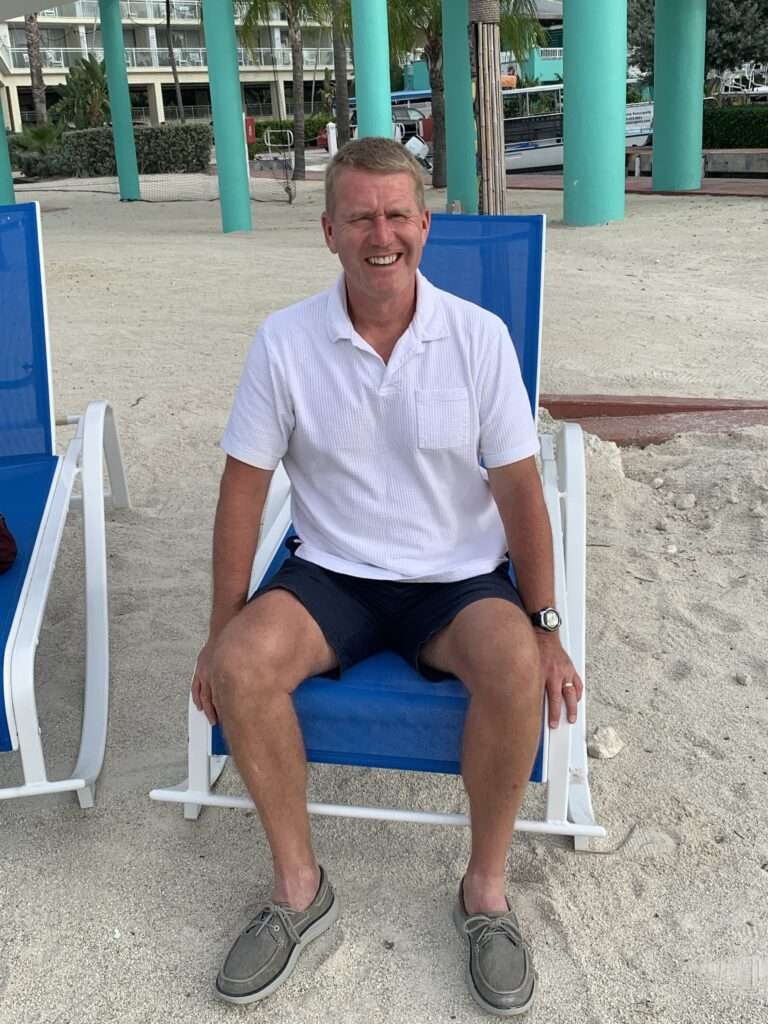
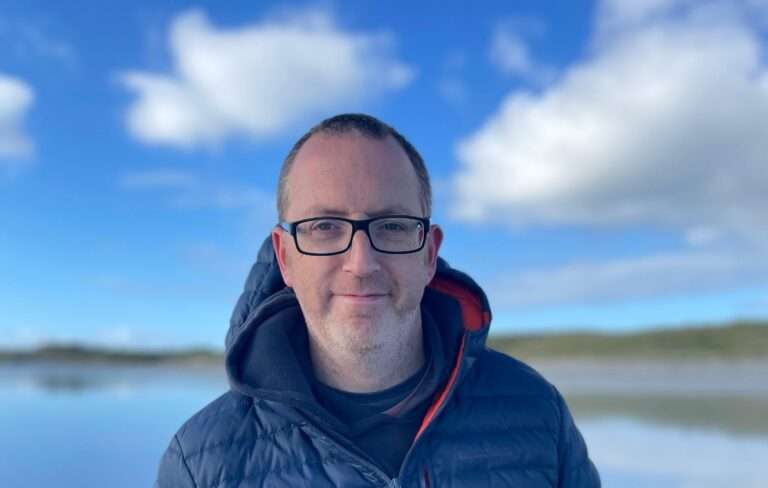
I was 47 years old when I had my stroke in February 2017. I live in Essex, and at the time I was an Assistant Headteacher at a high school in Billericay, teaching mathematics — a role I loved. My days were full, active, and purposeful, built around supporting students, working closely with families, and contributing to a strong school community.
For around three weeks before my admission to hospital, I had been experiencing persistent headaches, blurred vision, and increasing problems with my balance. Like many people, I initially carried on, hoping it would pass. But eventually, I knew something wasn’t right.
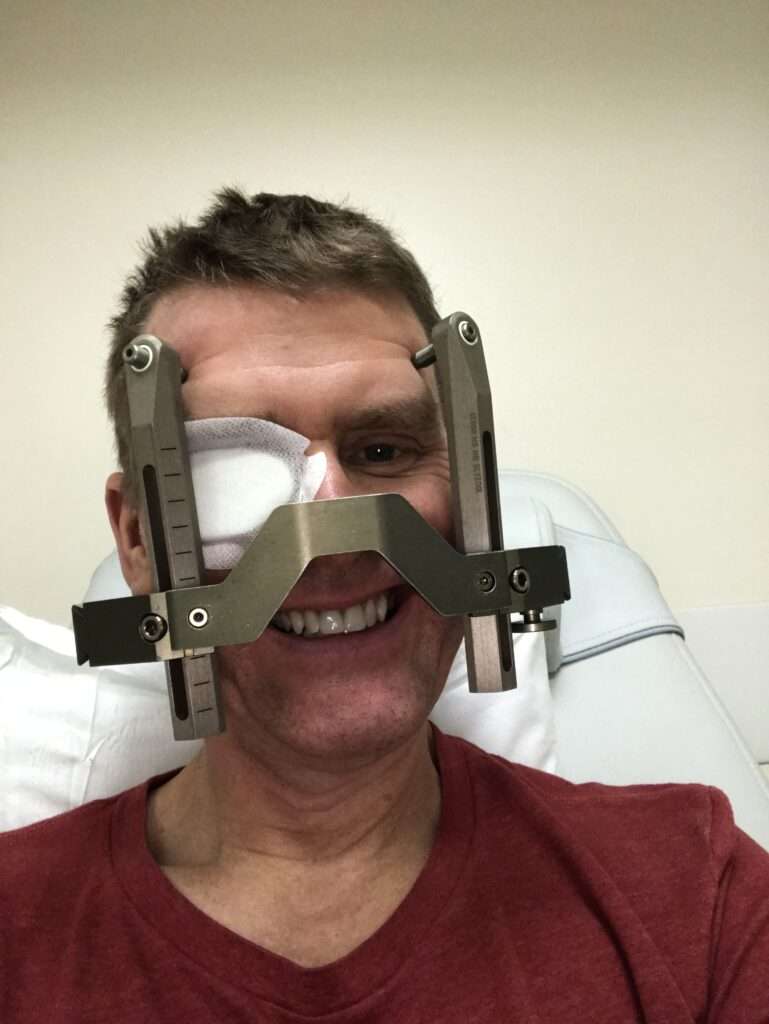
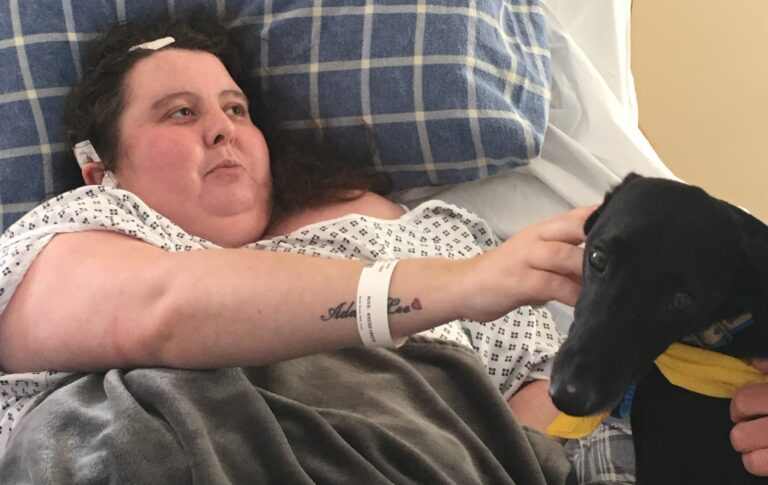
I was admitted to hospital where I was diagnosed with a cerebellarstroke caused by a bleed from one of three cavernomas in my brain. It was a huge shock. Physically, I experienced dizziness, coordination difficulties, and visual disturbance. Even simple tasks became challenging, and I was advised to alternate wearing an eyepatch to help focus my vision.
My Stroke Recovery
Emotionally, the experience was overwhelming. As someone used to being in control, supporting others, and leading in my profession, I suddenly found myself in a very different position — uncertain, vulnerable, and reliant on others. The hospital team were excellent, and the early support from physiotherapists and occupational therapists helped begin the process of rebuilding both my confidence and independence.
The recovery journey, however, did not end at discharge. Over the following year, I lived with the knowledge that I was awaiting Gamma Knife surgery at Bartholomew’s Hospital in London to treat the largest cavernoma In my brainstem. I was told there was a 33% chance of the cavernomas haemorrhaging again, which made that period incredibly stressful for both me and my family. I awaited a squint operation to repair my eye condition. It was a time filled with uncertainty and constant underlying anxiety.
Fortunately, I underwent the surgery successfully, and I have not suffered a further stroke.
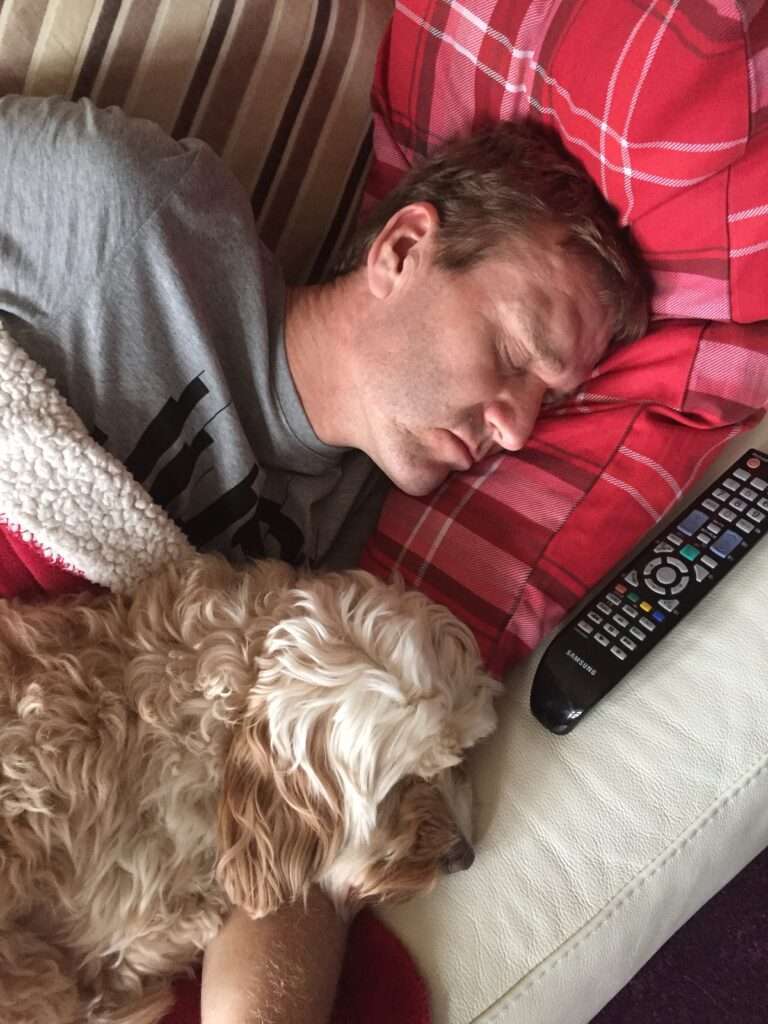
Recovery has been gradual and, at times, challenging. A stroke affects far more than just the physical body—it impacts confidence, identity, and emotional wellbeing. However, it has also given me perspective. I have learned the importance of patience, resilience, and the value of small steps forward.
Some Things That Helped Me to Rebuild My Life After Stroke
A guiding principle in my life now reflects the words of my neurosurgeon, who told me that I can continue to recover if I commit the same intensity to my rehabilitation and recovery today as I did on day one. That message has stayed with me and continues to shape how I approach both recovery and life more broadly.
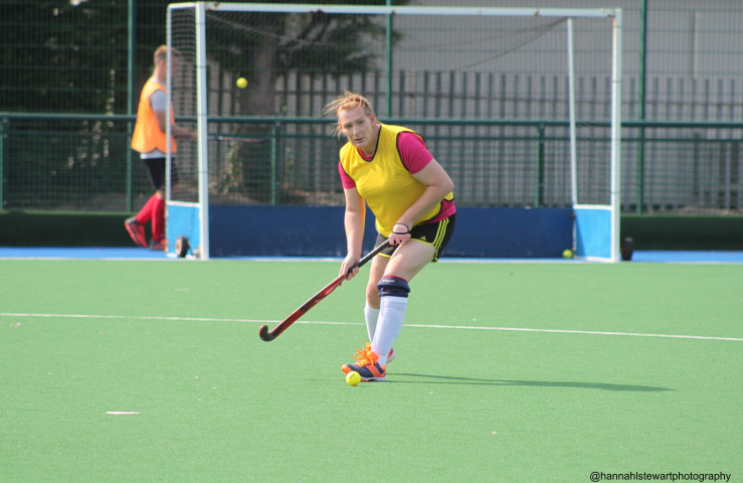
Since my stroke, I have rebuilt my life and continue to support others in meaningful ways. I regularly tutor mathematics locally to young people who are seeking support in their mathematical journey, helping them build confidence and achieve their potential. In addition, I act as a Team Manager for the GB MaxiBasketball organisation, supporting athletes both practically and emotionally, and helping to foster a positive and inclusive team environment.
These roles have deepened my empathy and reinforced my belief in the importance of encouragement, connection, and community.
The Importance of Connection and Support After Stoke
One of the biggest lessons from my experience is the importance of human connection and support. No one should feel alone during recovery. This is why I feel strongly about organisations like Different Strokes, which provide peer support specifically for younger stroke survivors. I came across Different Strokes through my desire to connect with others who truly understand the journey, and I am inspired by the community they have created.
I would like to see greater awareness and support for younger stroke survivors, particularly around the emotional and psychological impact, which is often less visible but just as significant as the physical effects.
Looking ahead, my goal is to give something back—to support others as a Stroke Support Visitor, to share my experience, and to help people feel understood, reassured, and less isolated during their recovery.
If my story can help even one person feel less alone, then sharing it is something I am proud to do.
Your donation helps others like James on their journeys
There are 100,000 strokes in the UK each year with 1 in 4 happening to somebody of working age or younger. Different Strokes aims to promote independent stroke recovery and help these younger stroke survivors reclaim their lives.
Make a smile lottery is a weekly fundraising lottery. A fun and exciting way to help Different Strokes raise vital funds that will secure our future.
It only costs £1 per play, and you can choose to play every week or whenever you feel like taking a chance and doing something good. For more information click here.