Initiatives for Hidden Disabilities
Stroke affects everyone differently and whilst for some, the need for a wheelchair or walking aid means that their disabilities are unavoidably visible to those around them. According to a survey from the World Health Organisation, “74% of people with disabilities don’t use a wheelchair or anything that visually signals their impairment to the outside world.“
The hidden effects of a stroke can be very varied; from cognitive issues, neuro- fatigue, chronic pain and aphasia to vision problems, sensory issues, and emotional lability to name just a few. The impact of living with these effects means that ordinary day to day tasks, that might have once been taken for granted, become challenging. This challenge can be compounded by a society that is not yet set up to accommodate the diverse spectrum and needs of those living with complex disabilities.
We hear regularly from stroke survivors who feel that even those closest to them are unable to understand the invisible effects of stroke – if this is the case how can we can start to educate the wider world?
It seems that awareness is key and it has been heartening in recent years to see increased initiatives from a number of organisations, which set out to make everyday tasks that little bit easier for the disabled community. Here is just some that we have come across:-
The Headway Brain Injury Identity Card
A simple solution to a tricky conversation
The Headway Brain Injury Identity Card is designed to help police officers and staff more easily identify brain injury survivors and ensure that they receive an appropriate response and support.
The card can also provide brain injury survivors with added confidence in everyday social scenarios.
Each card is personalised, helping the cardholder to explain the effects of their brain injury and request any support they may need.
The Sunflower Lanyard Scheme
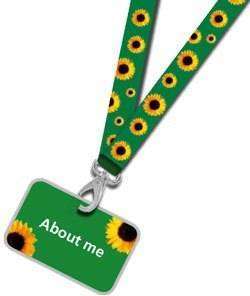
The Sunflower Lanyard Scheme® was originally created to act as a discreet sign to staff and work colleagues that the wearer (or somebody who is with them) has a hidden disability and requires additional assistance.
The Sunflower Lanyard Scheme® was first launched at Gatwick Airport in May 2016. It has now been adopted in the UK by most of the major airports, supermarkets and railway companies, as well as in the NHS. Each day, many more organisations are joining the scheme and it is also starting to be known globally.
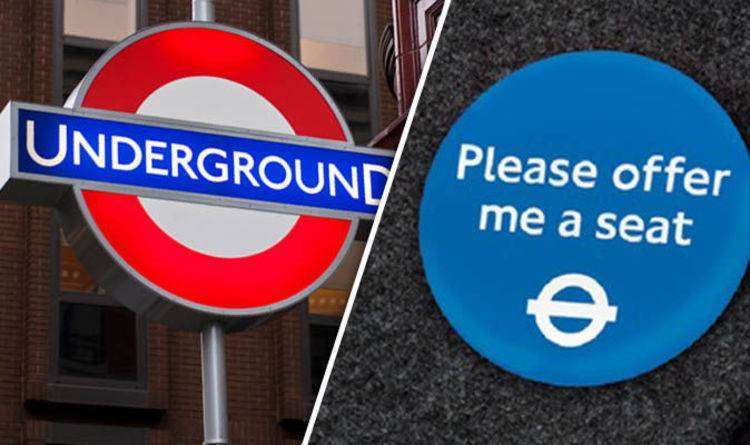
' Please offer me a seat' Greater London and South East
Autism Hour
The CEA Cinema Card
The CEA Card enables a disabled cinema guest to receive a complimentary ticket for someone to go with them when they visit a participating cinema.
The card is also one way for cinemas to make sure they look after their disabled guests. If you require an adjustment to visit a cinema because of your disability, cinema staff should make them for you whether you have a CEA Card or not.
The card has criteria for eligibility costs £6 currently and requires you to upload or post a photo and proof of eligibility.
The Access Card
Nimbus Disability created the Access Card which translates your disability/impairment into symbols which highlight the barriers you face and the reasonable adjustments that you might need.
This then informs providers quickly and discreetly about the support you need, and may gain you access to things like concessionary ticket prices and complex reasonable adjustments without having to go into loads of personal detail.
The card is £15 for three years and requires supporting information.
The Radar Key
The RADAR key is a product you can purchase online that gives you independent access to over 9,000 accessible toilets in the UK.
The National Key Scheme (NKS) offers disabled people independent access to locked public toilets around the country. Toilets fitted with National Key Scheme (NKS) locks can now be found in shopping centres, pubs, cafés, department stores, bus and train stations and many other locations in most parts of the country.
If you are aware of a scheme that may help stroke survivors then please contact us HERE