Strokes only happen to older people, right? To your grandparents or their friends? Wrong.
According to the Stroke Association, 400 children and babies a year in the UK have a stroke. I happen to be one of them. I suffered a massive stroke aged 6, resulting in multiple areas of brain damage and lifelong disability. My stroke resulted in chronic spasticity in my left arm and leg which causes walking difficulty and the use of only my right side along with many other side effects. I could talk about the medical diagnosis over and over but instead here is an insight in what it has been like to grow up as a stroke survivor. It has been 26 years and my life has been far from normal.
Trying to fit in...
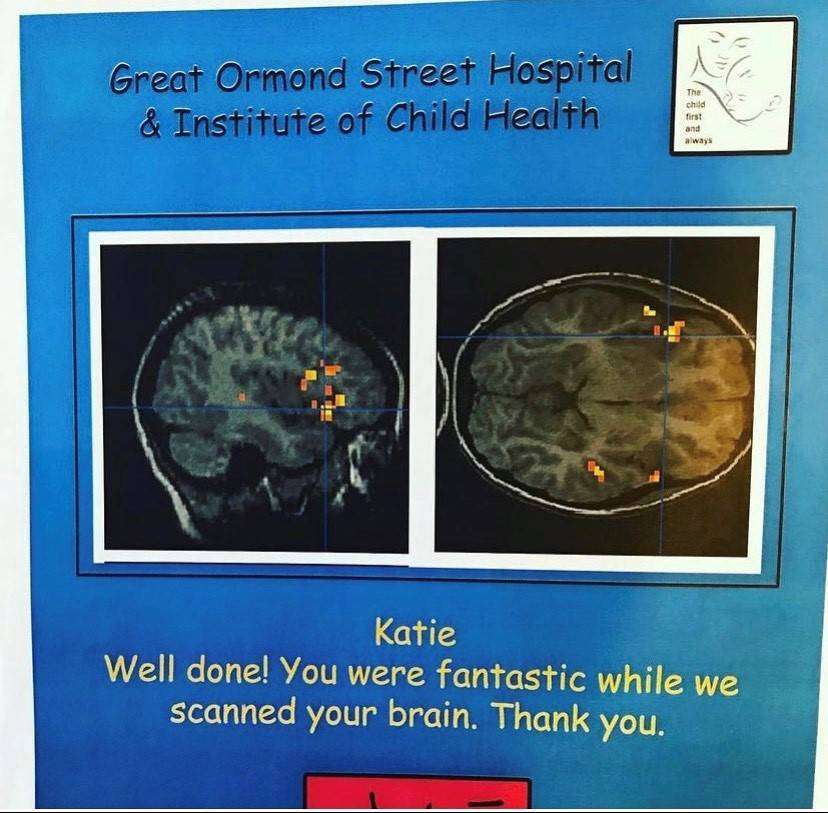
I don’t remember much of my childhood but I spent weeks recovering in Great Ormond Street in London and in my local hospital. I went from playing barbies to medical appointments, physiotherapy, medications, and leg splints all of which due to spasticity was very painful.
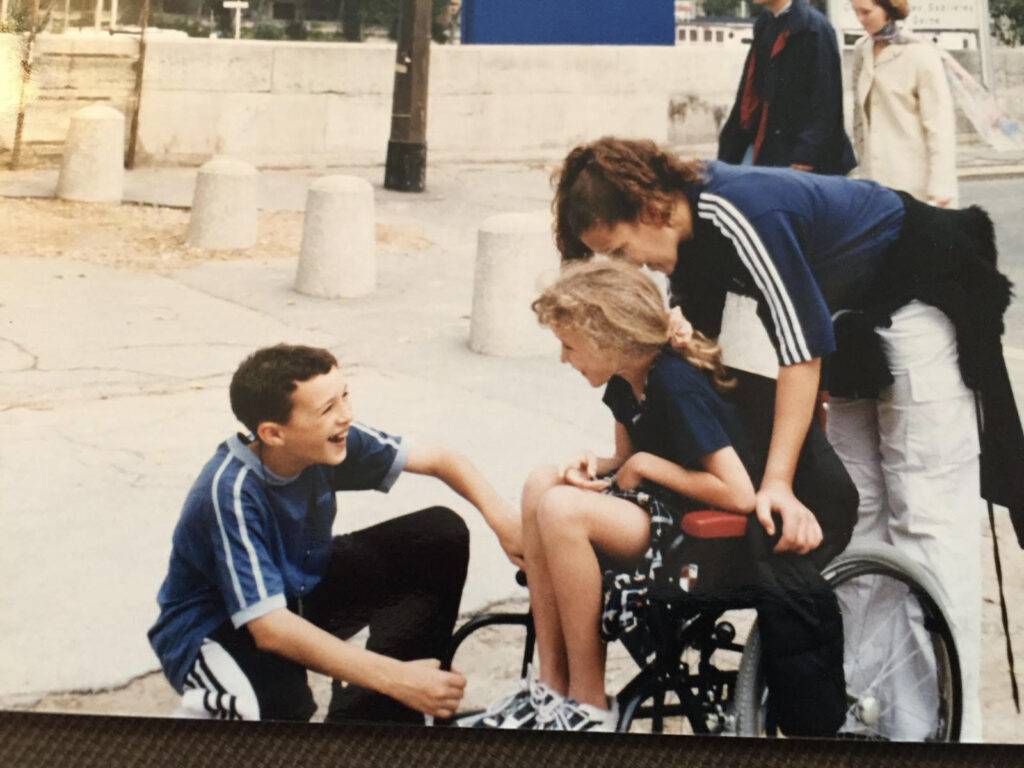
Once my recovery had plateaued, I began getting back to my life. I went back to school in my tiny red wheelchair. I was so desperate not to be different that I prioritised fitting in and not standing out. I just participated in every activity as much as I could. This served me well, in terms of completing ‘normal’ activities.. I learnt not to moan if I found things difficult, to just carry on and get on with it. In retrospect, I wish I could have been kinder to myself and understood that I didn’t have to achieve what the non-disabled children were. This created low self-esteem and feelings of sadness every time that I couldn’t meet those unrealistic expectations that I set for myself. A pattern which emerged throughout primary and secondary school education that I couldn’t recognise at the time.
School was brutal, a subtle storm of feeling so different and yet being held to the same standards as non-disabled children. I still don’t think I’m over the trauma of having to participate in fitness running or, the bleep test. I couldn’t walk properly for days after these things and I thought it was normal. I vividly remember being told off for mumbling my words, (which I now know is a common side effect of stroke). I had some lovely, kind friends at school and some of the best teaching assistants to help me with the physical things that I struggled to do but, of course I was teased and treated differently by some of my peers.
I also have lots of wonderful memories from school, however they are always tinged with sadness due to the lack of awareness and knowledge of stroke and disability. If the adults in my life and other children were able to fully understand what had happened to me and some of the side effects (beyond the physical ones) my experience would have been a very different one. If only I could go back and be kinder myself, to establish boundaries and spend more time working on my rehabilitation and less time trying to fit in, normal is boring anyway!
Developing Tools for Life
Another overwhelming experience of my childhood was the constant explaining my stroke or disability. It was a source of intrigue to everyone I met. It is the sympathetic head tilt, the ‘I feel so sorry for you’, questions from health professionals, who had no experience of childhood stroke. On numerous occasions I would be expected to reveal my personal medical information, or to recall a potentially traumatic experience for me to people I have known for less than 5 minutes. Once again if the awareness of childhood stroke was there, I may not have faced this constant reminder of my differences. P.s I feel sorry for you is never the right thing to say. This as standard practice in my life will live with me forever, it did as a 6 year old, 16 year old, 26 year old and it never gets easier to deal with.
These are some key moments of my childhood that shaped my recovery from stroke. However for every bad experience, I had ten positive ones. Taking unaided steps for the first time – who gets to say that they have done that twice!? Skipping the queues at Disneyland! Life may always be an uphill struggle but after finishing school I went to university and learnt to live independently. I developed the tools that would set me up for the rest of my life. I have had relationships and I am now happily married to a very handsome husband. I have been able to work full time, part time and not at all. I have worked mostly for the NHS – my attempt to give something back to the wonderful thing that saved my very life.
Motherhood
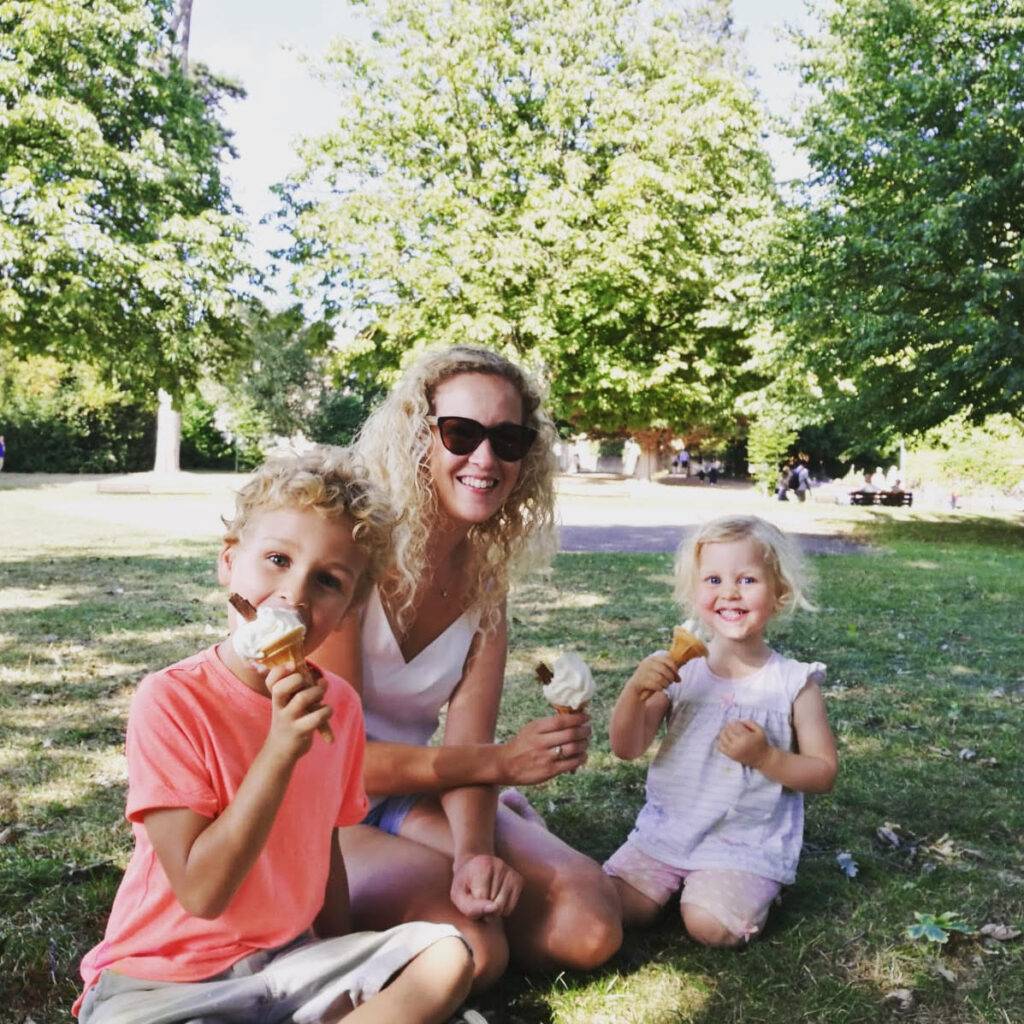
Having a stroke so early on in life limited what I thought I could achieve however, there was always one thing I was sure of: I wanted to be mum. In 2013, aged 24 my wishes came true, then again in 2016 aged 27. My Jacob and Amelie, If everything that I have experienced lead to me being your mum then I would do it all again in a heartbeat!
Parenting as a stroke survivor is hard work but, glorious work. I have always carried anxiety that history may repeat itself due to knowing so little about why it happened to me. These feelings were buried deep in my subconscious but my husband could see them coming from a mile away. I power through, loving my children fiercely, they are aged 7 and 5 now and I am on the lookout every day for any signs or symptoms in them. I could not be more proud to be their mum and as my mobility decreases I know things in our lives will change, that we will always have another mountain to climb but with a sense of community now with me, I know we will be just fine.
Finding Community
I have found my community in so many different ways. One of the most important ways was in Different Strokes, a place to connect with other young stroke survivors. It has helped me be able to find my identity as a stroke survivor, to realise some of the effects of my stroke on my brain when so much of what I have experienced before was so focused on my body. Different Strokes is somewhere I can go to ask questions, chat and be myself without any judgement, which I am forever grateful for.
If you have got to the end of my ramblings about growing up as a childhood stroke survivor then I hope you take away an awareness that stroke in younger people does happen and go and do the research as to how it might affect anyone you may know who is recovering. If you are reading this as a stroke survivor or disabled person, then if I have learnt anything in my 26 years as a stroke survivor it is simply to be kind to yourself, be patient with yourself, prioritise your recovery, don’t give up, try again and don’t be afraid to rest.
Katie is a childhood stroke survivor and mother of two from Bath.
@whatk_atiedoes

Different Strokes Glasgow Peer Support Group Returns
Different Strokes is delighted to announce the return of its Glasgow Peer Support Group, providing a welcoming space for working-age stroke survivors, their families and

30 Years of Different Strokes:A Day of Connection, An Evening of Celebration
On Saturday 18th July, over 100 people gathered in Northamptonshire to mark 30 years of Different Strokes. Reclaiming Life After Stroke The day opened with

Upcoming Webinar: Looking After Yourself While Caring for Someone After Stroke
Free Webinar | Wednesday 22 July | 11:00am When someone you love has a stroke, life can change in an instant. Partners, spouses and family

Bringing the Stroke Community Together in London
During June we hosted a Community Event in London at the offices of Bolt Burdon Kemp.

Free Webinar: Medical Negligence & Rehabilitation After Stroke
Different Strokes is pleased to be partnering with specialist medical negligence law firm Fletcher’s Solicitors to offer a free online webinar for stroke survivors, families and carers.

Mike Caines Wins the 2026 Different Strokes Outstanding Contribution Award
Mike Caines Wins Different Strokes’ Outstanding Contribution Award 2026 For the past 14 years, Mike Caines has been a quiet constant behind Different Strokes. He