

When New Year, New You Has A Whole New Meaning.
2019 is here and with it the familiar pressure of resolutions and reflections. That familiar mantra ‘New Year, New You’ is everywhere you look, from celebrities pushing diets to everyone on your social media setting and ‘smashing’ their goals. For a stroke survivor, this term can have a whole new meaning. If you are facing 2019 post-stroke and are feeling like an entirely different version of yourself then this one’s for you – our tips for navigating the new-you post-stroke.
You Are Here
 No one plans for a stroke and in the period following a stroke it can be painful to reflect on where you were and where you are now. A huge part of recovery for many survivors includes grieving. Your life isn’t over. You survived – but there is no denying your life has changed. Some of the effects you are experiencing may be invisible to those around you – fatigue, mood swings and anxiety. You may now be using a wheelchair or mobility aid or unable to communicate as you once did. You might find yourself living a life that you didn’t plan for. Be gentle with yourself
Whilst you try to come to terms with your stroke, try not to feel guilty if you need some time to grieve. Grieving whatever you feel you have lost is the first step to embracing the new you.
You are here and so are we – if you need advice or support from people who understand why not join our online support group with thousands of members HERE?
Where Do You Want to Be?

Where once your plans may have included marathons, exotic holidays, or career progression, in the first year after your stroke your goals may be a little humbler. This isn’t to say that down the line you will be again focusing on the ‘normal’ goals once again. We have seen stroke survivors achieve amazing things; Olympic gold medals, TV careers, and everything else besides. Right now your goals may look more like getting out of hospital, walking a few steps, saying “hello”, or returning to work. You are not alone in this journey and It is difficult in the aftermath of a stroke to know what your future holds and, in our experience, thinking too far ahead in the early days is not often accurate or useful. If you want to set goals we recommend:
- Break your goals down to a day or a week at a time.
- Keep a diary of your progress – it can be really helpful to see how far you’ve come. Ask family members or friends to record your milestones on your phone so you can look back on videos when you need encouragement!
- Share your progress – every survivor needs a cheerleader and our Facebook group is full of them!
- Assemble a support network – asking for the help you need is often the strongest thing you can do. Hopefully early in recovery you get support with physiotherapy, occupational therapy, etc., but if you are no longer getting the support you need – talk to your G.P about what is available to you.
Many of us found finding the right help difficult during our own recoveries and this is the reason we often sign-post each other to organisations that we have found helpful – some good starting points are below:
- My- Therappy have great recommendations for NHS approved health apps to complement your recovery and rehabilitation. You can find out more HERE
- Find out if you have a local Different Strokes Exercise & Support Group HERE
- If you can afford private physio you can search for local physios on The Chartered Society of Physiotherapists HERE. We have also used and recommend PhysioFunction and Arni
- If you can afford private counselling, you can find qualified counsellors in your area on the BACP website HERE.
365 Opportunities to Start Again
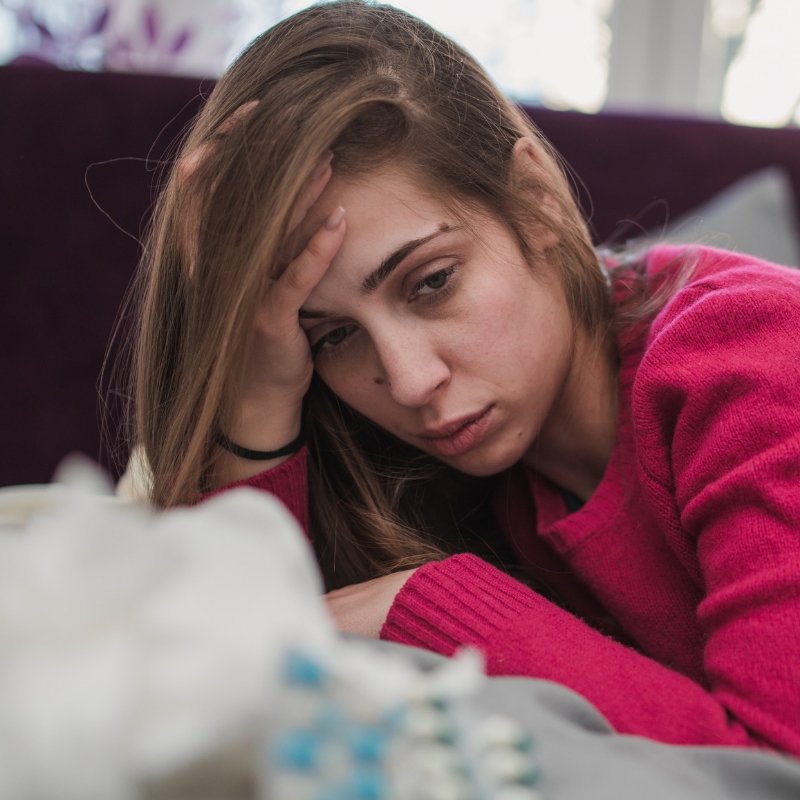
Bad days will happen its inevitable and bad days after a stroke are a whole different ball game! The key to a bad day is that allow yourself to have that day. If you feel angry or sad this emotion may be useful to you and the grieving process. Sometimes we have to sit in our feelings but don’t stay there too long. Tomorrow is a fresh start- treat it as one.
You Got This!
We have been where you are and although embracing the new-you Is not an easy or short process, with the right help and patience it can and will happen. You are not alone in this process. If you need more support talk to your G.P. about what services may help you. They are the gateway to all of your health services local to you. Hopefully you are a member of our online support group – so talk to us about how you’re feeling. Watch our survivor stories HERE and know that you got this!