Ellie’s Story – A succession of transient ischaemic attacks (TIAs) due to a patent foramen ovale (PFO) starting at just 25
- Greg Hollingworth

Why I choose to fundraise for stroke charities
I was 25 years old when I experienced what I now know was my first transient ischaemic attack (TIA).
It happened suddenly. I was struck by a severe headache unlike anything I had ever felt before. Almost immediately, dizziness followed. I became disorientated and unsteady, and before I could understand what was happening, I collapsed and hit my head on the floor.
At the same time, the left side of my body became frighteningly weak. My arm and leg felt heavy and useless, as if all strength had drained away. My vision blurred and then partially disappeared. The left side of my face drooped, and I struggled to speak. I knew something was seriously wrong, even though I didn’t yet have the words to explain it.
At the time, I had no idea this was a TIA. I didn’t know these were classic stroke symptoms. I just knew that my body had suddenly failed me in a way I couldn’t control, and it was terrifying.
Leading up to my time in hospital
In 2018, my life should have been settling into something exciting. I had just started a new job in audiology and had recently moved in with my boyfriend, Olly. I was only five weeks into that role when the first episode happened. Instead of focusing on my new career, my life quickly became centred around hospitals and appointments.
Over the following months, I was referred to ENT, neurology, and ophthalmology. I spent a huge amount of time in and out of A&E and underwent countless investigations, including multiple CT scans and MRI scans, alongside eye tests and audiology assessments. I was signed off work for six months while doctors tried to work out what was wrong.
Despite all of this, no physical cause was found.
Eventually, I saw a neurologist who told me there was nothing physically wrong with me. I was told my symptoms were “all in my head” and linked to my mental health. I left feeling embarrassed, confused, and unsure whether I could trust my own body. What I had experienced felt completely physical, yet I was being told otherwise. Over time, I began to doubt myself.
For the next six years, I lived with uncertainty. I carried on with life as best I could, always alert to my body and questioning whether I could trust it. During that time, life continued to move forward.
In 2022, Olly and I welcomed a baby. Becoming a parent was one of the happiest moments of my life, but it also brought a new layer of fear. I was responsible for someone else now, while still living with unanswered questions about my own health.
In 2023, we got married. It was a joyful milestone and a celebration of everything we had already faced together, even though the worry about my health never fully disappeared.
The TIAs kept happening!
Six years after my first transient ischaemic attack (TIA) everything changed again.
I went on to have three further TIAs.
Around this time, I also began experiencing chest pain, which added to my anxiety and reinforced the feeling that something serious was being missed. That same year, we relocated to North Yorkshire after I was offered a new role within the NHS. It felt like a fresh start, a chance to rebuild my confidence, my career, and my health.
In February 2024, I joined a gym. I wanted to feel fitter and healthier and to reconnect with my body. One evening, after taking part in a cycling class, I went to the toilet, and collapsed. I couldn’t see anything. My vision had completely gone. I remember thinking – ‘I’ve overdone it’, trying to explain it away. But deep down, I recognised the feeling. I knew something wasn’t right.
After that, the collapses continued.
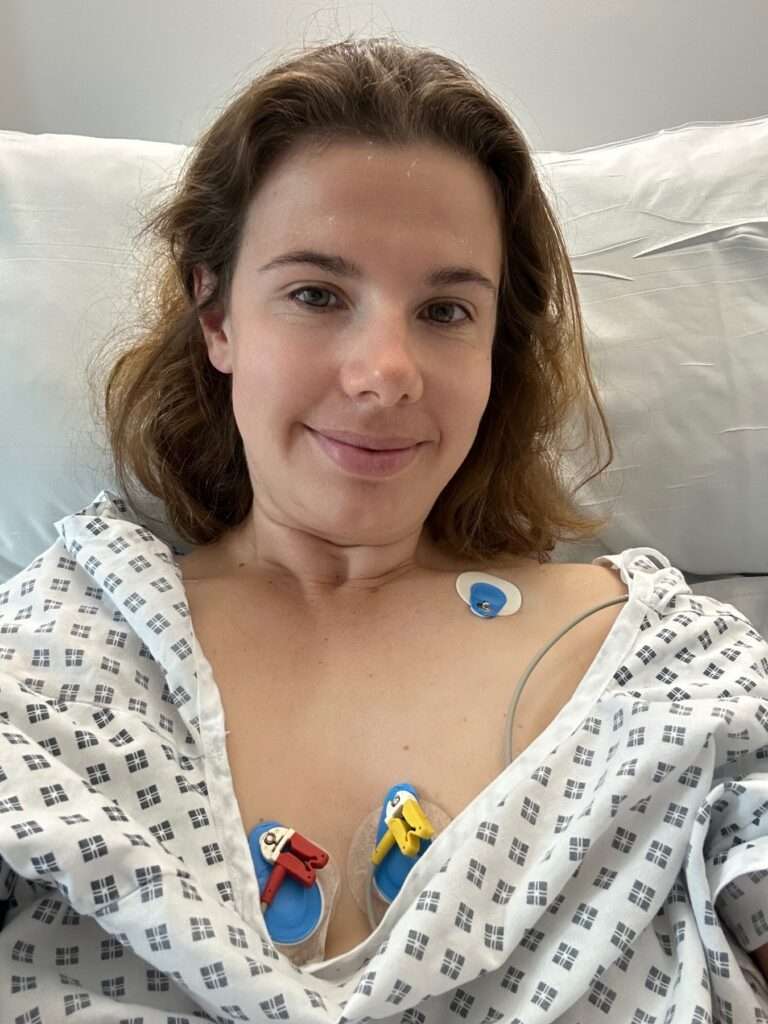
Eventually I got an explanation!"
I collapsed in a corridor at work and was taken by ambulance to A&E – I collapsed while out on a run – and I collapsed at home.
The time I collapsed at home, paramedics were called. Three of them assessed me, and one of them said words I will never forget: “We need to get you to hospital now. I think you’ve had a TIA.”
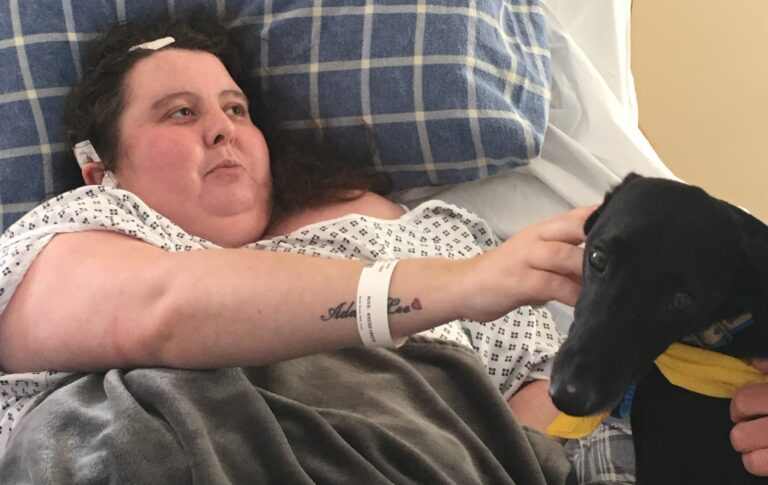
At the hospital, a doctor and a neurology consultant came to see me. After listening to my history and symptoms, they said, “Ellie, we think you’ve been having TIAs.” I was referred to the stroke team the next day.
For the first time in years, what had been happening to me was finally named. The stroke consultant took me seriously and carried out thorough investigations. I had further scans, heart monitoring, and an echocardiogram with a bubble study. Finally, I had an answer.

In the summer of 2024 I was diagnosed with a large patent foramen ovale (PFO) – a hole in my heart that I had been born with and that had gone undetected my entire life. It was allowing clots to pass from my heart to my brain, causing the TIAs. It also explained other symptoms like migraines, chest pain and collapsing.
My stroke consultant referred to a cardiologist in Leeds to discuss closing the hole. Unfortunately, the NHS waiting time was extremely long, and the consultant I was due to see was unwell himself. Given the risks and everything I had already been through, we made the difficult decision to go private so my heart surgery could happen sooner.
My recovery continues
In October 2025, at 32 years old, I underwent minimally invasive heart surgery to close the PFO at Papworth Hospital in Cambridge.
That surgery changed my life.
Recovery hasn’t been straightforward. It has been physical, emotional, and psychological. I’ve had to rebuild trust in my body and process years of fear, dismissal, and uncertainty. Many of the effects of TIAs aren’t visible, but they are real. Now, I’m moving forward again.
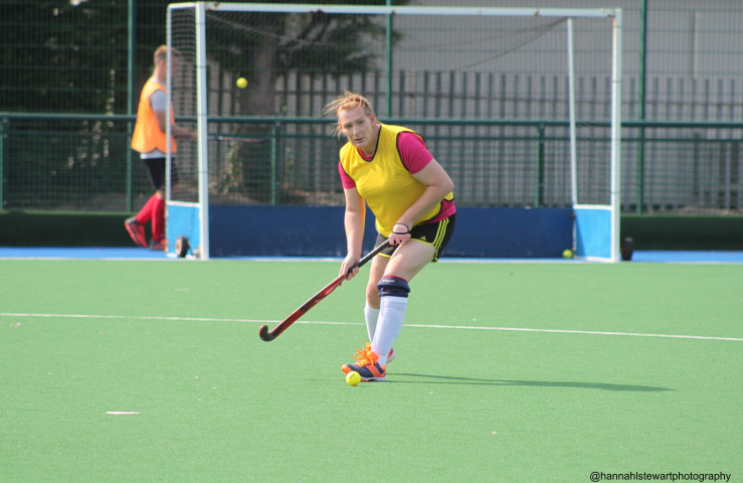
I have an amazing personal trainer who is helping me rebuild my strength and confidence, and I’m slowly getting my fitness back. Exercise once felt frightening, but now it’s something empowering. Each session feels like reclaiming a part of myself.
I am on medication for life, but that feels like a small price to pay. After everything I’ve been through, it’s a reminder that I’m here, that I was finally listened to, and that my risk of a major stroke has been reduced.
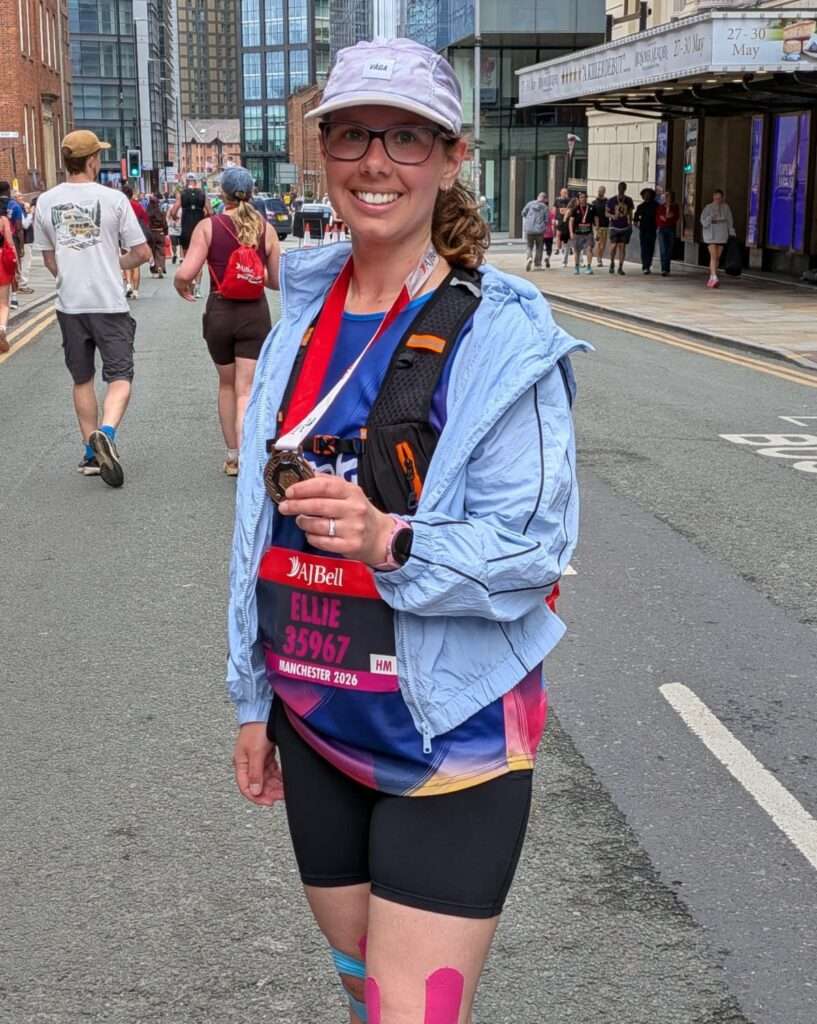
In May, I ran the Manchester Half Marathon in 2:03:39 to raise money for the Stroke Association. For me, this wasn’t just about completing a race; it was about proving to myself how far I’ve come and giving something back to a cause that means so much to me.
I’m proud to have raised £800, helping to support stroke survivors and raise awareness of the challenges many people face after a stroke – and it won’t stop there. I plan to keep raising awareness and as much money as I can, because no one should have to fight for answers the way I did, and no one should feel alone after a stroke.
This experience has changed how I see my health, my future, and my voice. It has shown me the importance of being believed and the power of persistence.
This experience has changed how I see my health, my future, and my voice. It has shown me the importance of being believed and the power of persistence. The most important lesson from my story is this: trust your body and keep advocating for yourself. Being persistent can be exhausting, but it can also be life-saving.
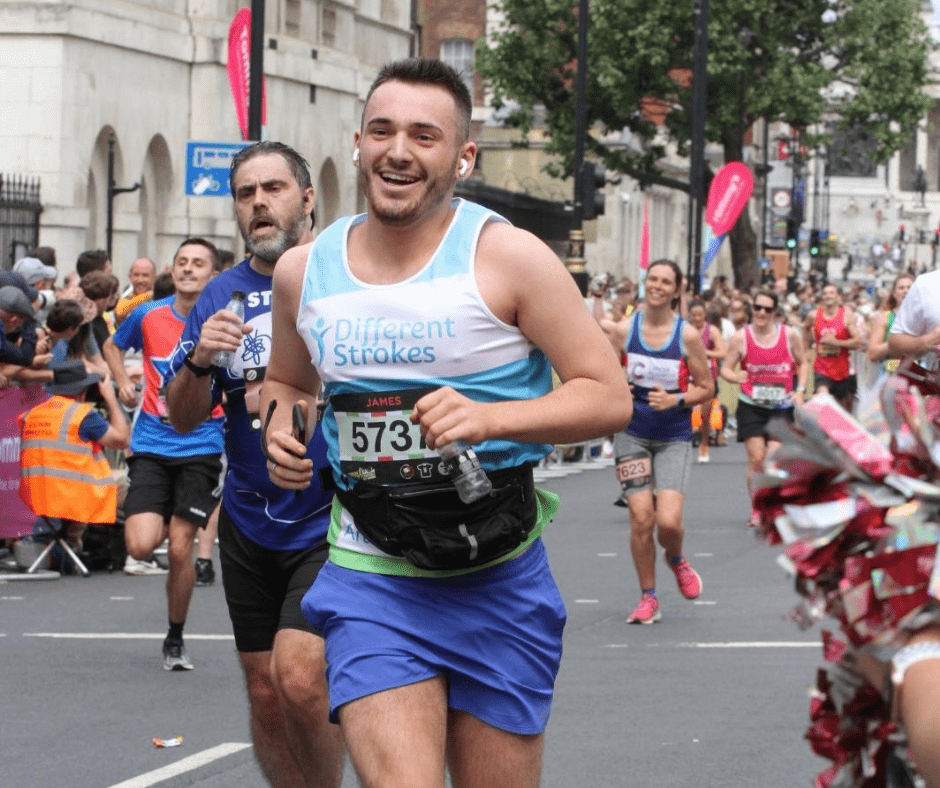
Your donation helps others like Ellie on their journeys
There are 100,000 strokes in the UK each year with 1 in 4 happening to somebody of working age or younger. Different Strokes aims to promote independent stroke recovery and help these younger stroke survivors reclaim their lives.

Make a smile lottery is a weekly fundraising lottery. A fun and exciting way to help Different Strokes raise vital funds that will secure our future.
It only costs £1 per play, and you can choose to play every week or whenever you feel like taking a chance and doing something good. For more information click here.