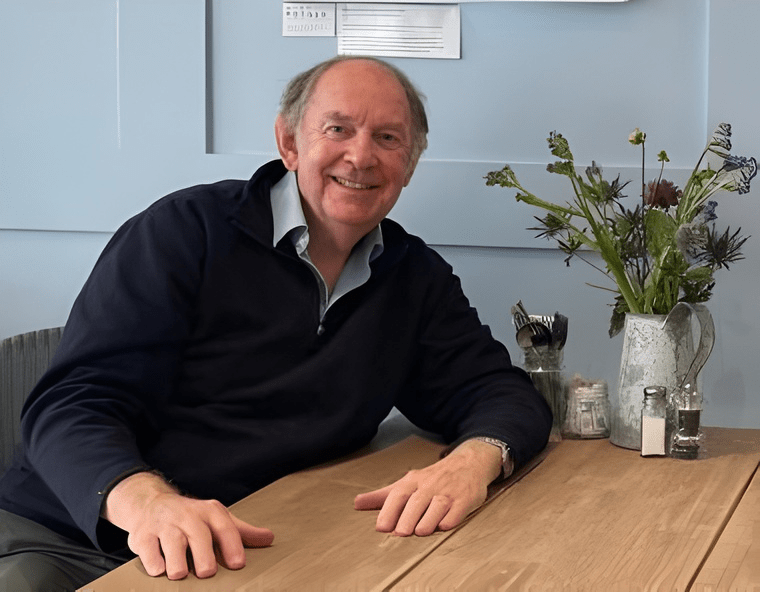
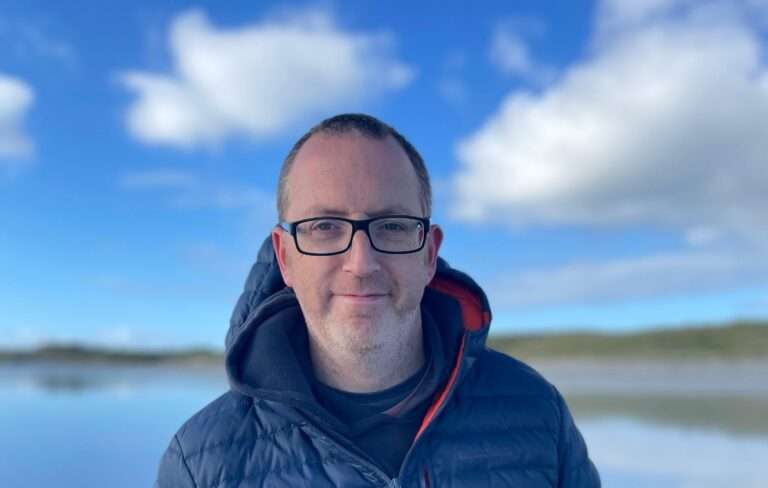
“In September 2010, aged 64, I was living a full and busy life. I had been CEO of Workaid, a charity in Chesham supporting those in need of tools and equipment, and I was deeply involved in my local community. My wife Janet, a Barts-trained nurse, had always been my rock, helping me balance work, family, and volunteer commitments.
Together, we had two daughters, and our family life was full of faith, laughter and activity.
I also had a strong spiritual life, attending Sacred Heart Catholic Church in Leighton Buzzard, where I served as a reader. In September 2010, I had travelled with fellow parishioners to Cofton Park, Birmingham, to see Pope Benedict XVI. The experience was uplifting—a reminder of the value of community and faith. Little did I know, my life was about to change dramatically.
"What on earth is going on?"
The next day, at around 2 p.m., I was sitting at my desk when I noticed some papers on the floor by my chair. I remember thinking, “How did that get there?” I don’t recall dropping them.
When I stood up, something wasn’t right. My breathing felt odd, and when I tried to speak my voice sounded very high pitched, almost as if someone else was making the noise inside me without my control. I had been trained in first aid, yet I couldn’t self-diagnose. Looking back, I must have been in shock. The word that best describes it is bewilderment.
It wasn’t a clear moment of recognising what was happening. It was more a sense of confusion, of trying to work things out but not being able to think straight. A colleague recognised the symptoms immediately, took me into a nearby room and carried out the FAST test. It became clear very quickly that I was having a stroke. Within forty minutes, I was in the Cardio Unit at Stoke Mandeville Hospital.
If you don't laugh, you'll cry
Even then, I still couldn’t fully take it in. There wasn’t time to process what it meant for my future, my work, or my family. It was frightening, but more because of the unknown.
Despite the seriousness of the situation, my sense of humour surfaced. I remember joking with the paramedics on the way to the hospital and, on arrival, saying to the driver, “Thanks for the lift… you’re a good driver… you didn’t miss a bump!”
I count myself very fortunate. I received thrombolysis treatment within three hours, which I understand significantly reduces the risk of death or long-term disability. Later, I was told the cause of my stroke was atrial fibrillation.
I spent the next three days in hospital. That was when the reality began to sink in. The future felt like a big unknown. Would I recover fully? Would I be able to return to work? What impact would this have on my family? There was a lot of uncertainty.
That experience sharpened my awareness of life. It made me realise how quickly things can change. My prayer life increased, and I felt a strong sense that I had been given another opportunity and needed to make the most of it. I was also introduced to three long-term companions: bisoprolol, simvastatin and aspirin.
Finding a "new normal"
The weeks and months that followed were challenging. There was uncertainty about my recovery, particularly with my left arm and my speech.
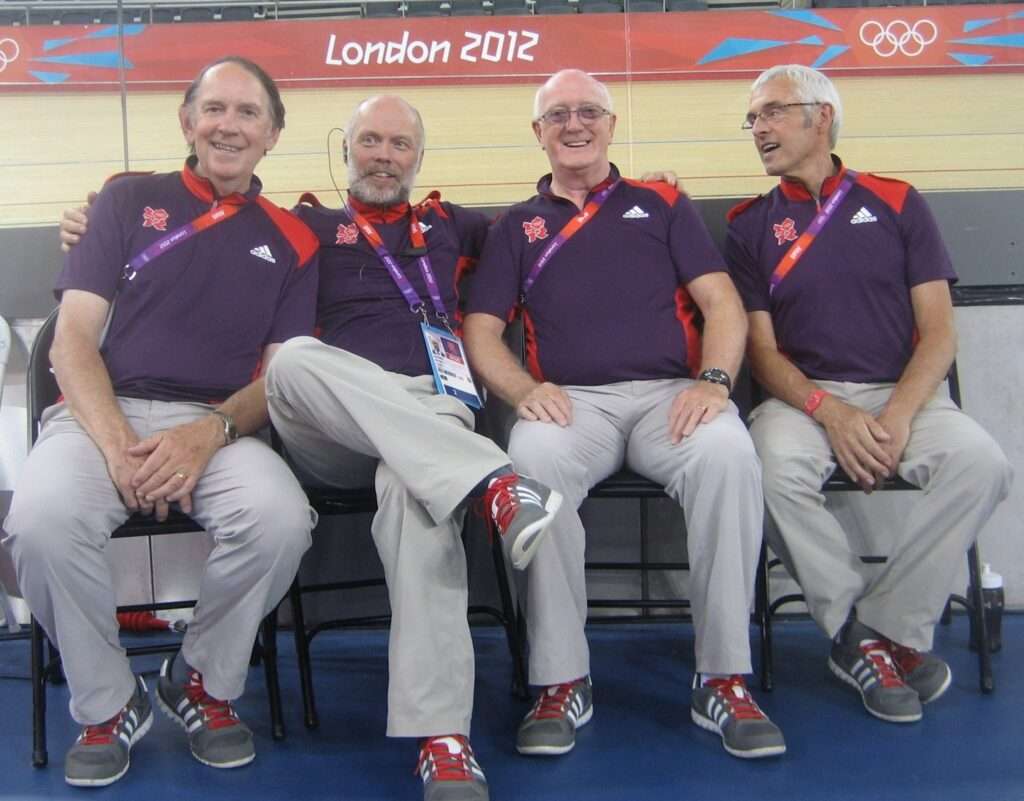
Ten days after my stroke, I only just managed to complete an online application to volunteer at the London 2012 Olympics before the deadline. I was later selected as a Games Maker and assigned to the cycling events. In total, I volunteered for 40 days. That experience showed me that life could still be full and rewarding.
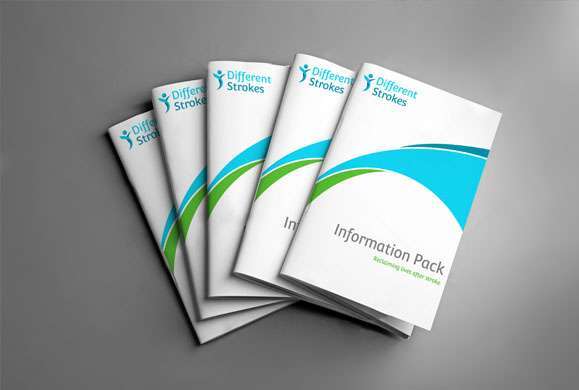
In those early weeks, my wife introduced me to Different Strokes. I contacted them and received helpful leaflets and guidance. Those resources were invaluable at a time when I had many questions.
Within a month, I was back at work on a three-days-a-week basis. At the same time, I was adjusting to what I would call a “new normal”.
Small steps forward
I set myself small, achievable goals. One of the first was to return to reading at church. Within a couple of months, I had resumed that role. It gave me confidence and a sense of progress.
Over time, my confidence continued to grow. I returned to playing golf, although eventually more as a social member. The important thing was staying involved.
Not everything went smoothly. In July 2011, I underwent a cardioversion procedure, which I had hoped would resolve my heart rhythm issues. Although I felt well afterwards, I was disappointed to learn that it had not been successful.
The hidden challenges
In the years following my stroke, I experienced occasional episodes that were difficult to describe. On one occasion, after walking up a bridge in Leighton Buzzard, I suddenly felt extremely dizzy and had to steady myself until it passed.
One of the ongoing effects for me has been fatigue. It is something I deal with regularly. I have learned to recognise it and not ignore it. If I feel tired, I rest, then get on with things again.
Many people are surprised when I tell them I have had a stroke. They often say they would never have known. In many ways, it is an invisible condition. But there are moments when it helps to explain it, particularly if something doesn’t quite go to plan.
Within a year, it became clear that I had made good progress. I stepped down from my role as CEO of Workaid at the end of 2011 but continued as a volunteer trustee.
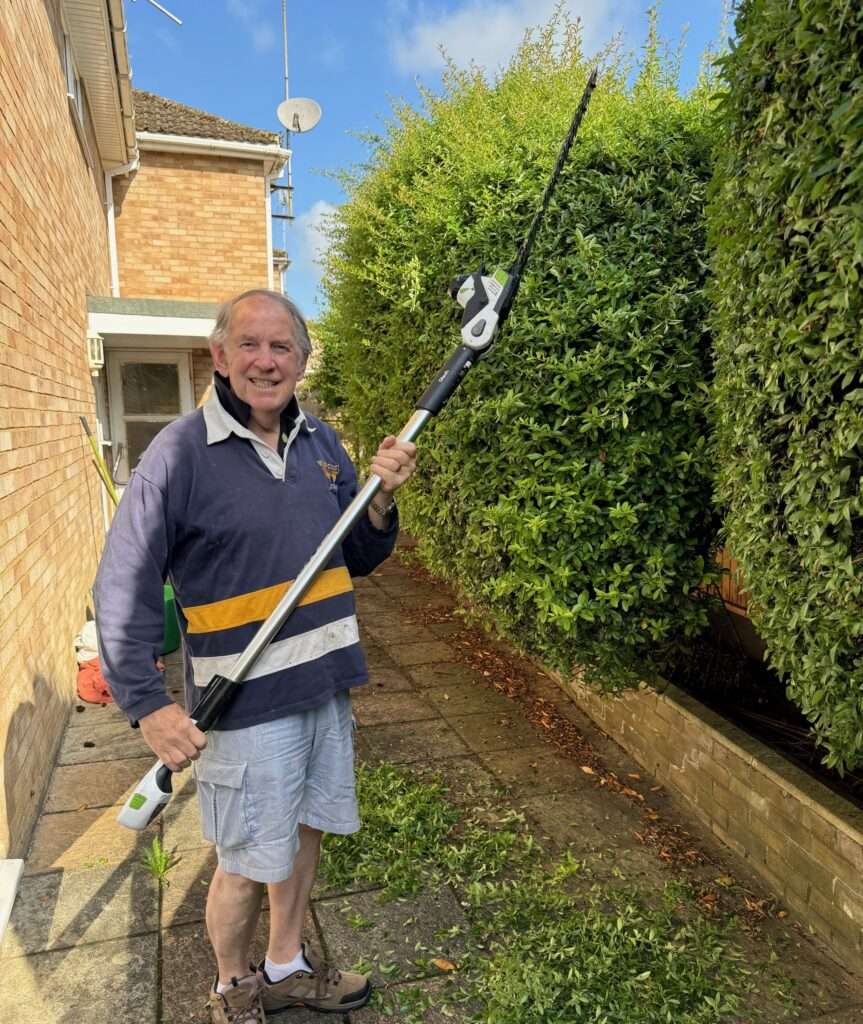
Since then, I have remained active. I have published four books, continued volunteering, and stayed involved in my community. Looking back, I consider myself very fortunate. Not everyone has the same experience or outcome. I had prompt treatment, strong family support, and access to organisations like Different Strokes.
The best is yet to come
If there is one message I would share, it is this: don’t fall into a cocoon of self-pity. You have been given another opportunity to get on with life. Be grateful for each day and do the best you can with it. Set small goals, keep moving forward, and adapt where needed.
I have always believed that the best is yet to come. What I do today and tomorrow matters more than what has happened in the past.
Now, as I approach my 80th year, I have taken on the role of President of the Chiltern Catenian Circle. The Catenians are a network of Catholic men who support one another through friendship, shared values and charitable activity.
As President, I have chosen Different Strokes as our charity of the year. This is my opportunity to give something back to an organisation that helped me at a time when I needed it most. Through the partnerships and friendships within the Catenian Circle, I hope to raise awareness, support fellow survivors and their families, and make a positive difference.
For me, every day is a new day, waiting to be coloured in. I still believe the best is yet to come.”
If you work for, or are part of, an organisation that supports charities, please consider nominating Different Strokes as your Charity of the Year.
These partnerships help raise awareness of stroke in younger people and generate vital funds to support our services. Together we can reach more stroke survivors and ensure no one faces recovery alone.