Stroke Recovery: From Hospital to Home

Table of Contents

A Letter From Sue

My dearest fellow stroke survivor,

So, you had a stroke. Life from this point on becomes one of adaption, and it’s natural to feel unsure about what comes next. Please always remember one word: YET.

If you were in hospital, you may have had a rigid routine – medications, occupational therapy, physical therapy, and, for some of us, psychological support. For me, I felt institutionalised. Coming home was a scary thought, I couldn’t just press the buzzer for help!

You’ve had a brain injury. I relate the brain to being a car engine, driving everything we do. Using neuroplasticity to rewire your brain is like a sat nav; you have to find new routes, new ways of getting around the affected part of your brain.

How you do this is entirely up to you. I was very driven; I was determined to get back to work, to drive, to get back to life as best as I could. As a mum of a young family, I wanted to prove to my boys that I’m still mum, I’m still a bit nuts, I’m still the same person inside and that will never change.

Like our charity’s name, Different Strokes, we all deal with stroke in different ways. What worked for me might not work for you. But we can offer guidance, advice, help, and support.

You might not be able to do the everyday things you used to – YET. Keep setting yourself bitesize goals & once they’re done tick them off. For those of you who have kids, make your own STAR chart, reward yourself, daily, weekly, monthly.

I researched bursaries, grants, anything to help me pay for additional therapy to achieve my personal goals.

Try any rehab kit you can: Saebo products, orthotics, FES or AFO devices. Never be afraid to ask your physio or OT about them – remember you are entitled to the right care and support when you need it.

Finally, promise me this: NEVER, EVER GIVE UP. THERE IS ALWAYS HOPE, even in those dark days, the more you put in, the more you and your family will benefit from your recovery.

With love & best of luck for your recovery,

Sue

an image of Sue

What to Expect in Hospital

The First 72 Hours

After diagnosis, you may be moved to a Hyper-Acute Stroke Unit (HASU). These units provide fast, expert care. Immediate rehabilitation should begin in the hospital within 24 to 48 hours of the stroke. As well as nurses and doctors, you should receive visits from physiotherapists, speech and language therapists and any other specialists deemed appropriate for your recovery.

What Happens Next?

You may be discharged if you are well enough and have support in place.

You may move to a Stroke Unit for further care and rehabilitation.

Stroke Unit Care

Stroke Units are dedicated hospital wards with a team of professionals who focus on recovery of your physical, emotional and cognitive abilities. Your stay could be short (a few days) or longer (weeks or months) depending on your needs.

What visitors can bring:

  • Extra toiletries (shaving kits, hair brush/comb)
  • Comfortable clothes for day and night wear
  • Supportive shoes with backs (for physiotherapy)
  • Mobile phone and charger
  • Items to pass the time (e.g. books, audiobooks, films, gaming handheld)
  • Comforting items from home (e.g. blankets, photos)

Assessments in Hospital

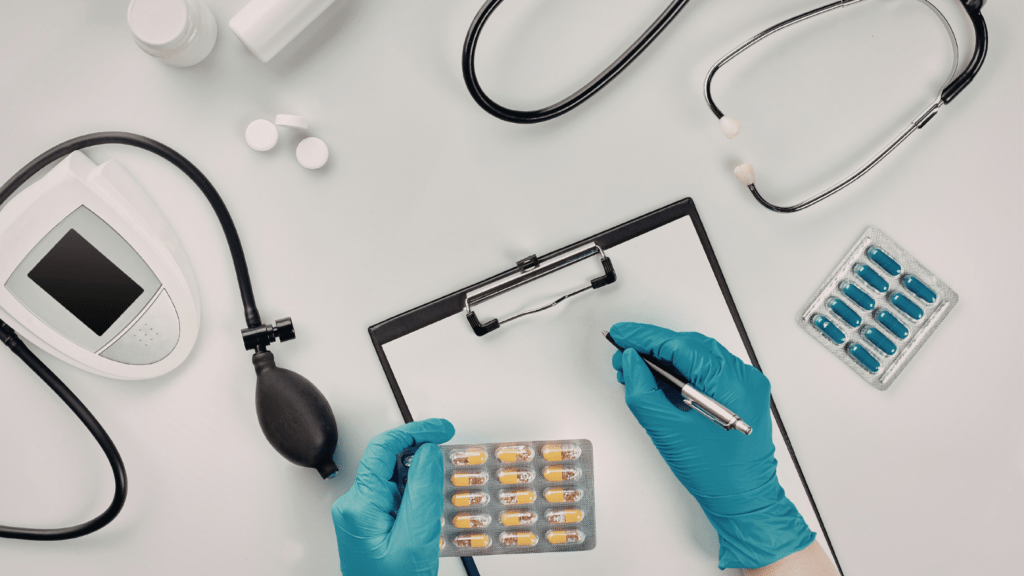
an image show a table with various items of medical equipment including pills and a stethoscope.

Before starting rehabilitation, hospital staff should carry out checks to see how the stroke has affected you.

Eye and Vision Check

Your vision should be checked by a specialist, such as an orthoptist. Stroke can affect how you see, including blind spots or problems focusing.

Swallowing Test

Everyone admitted with a stroke should have their swallowing tested before eating or drinking. Stroke can cause dysphagia (difficulty swallowing), which increases the risk of choking or chest infection.

Communication Check

Within the first few days, your ability to understand and use language should be assessed. This includes speaking, listening, reading and writing.

Cognitive Screening

You should also be screened for changes in memory, concentration and problem-solving. These checks help the team understand how your thinking has been affected and what support may help you.

These checks help the team understand how the stroke has affected you, guide your rehabilitation plan, and spot difficulties early so therapy can start quickly. They also ensure you and your family are involved in planning your recovery.

Everyone should have these assessments, though timing can vary, as they shape the personalised support you need to reach your recovery goals.

Rehabilitation: What It Is and Who’s Involved?


Stroke rehabilitation is about finding ways to manage your symptoms and regain as much independence as possible.

It should be a person-centred approach that looks at the whole of you, not just the medical side, so that you can reduce the impact of the stroke on your daily life and get back to doing the things that matter to you.

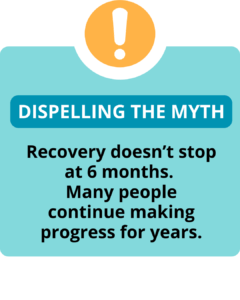
Dispelling the myth. recovery doesn't stop at 6 months. many people continue making progress for years.

Your Recovery Team: Who Can Help?

Neurologist

Central to stroke diagnosis. They also assess the damage caused by the stroke and create a treatment plan to improve physical functions.

Cardiologist

Investigates and manages heart-related causes or complications of stroke, such as atrial fibrillation, heart valve problems, or high blood pressure, and advises on treatment to reduce future risk.

Neurosurgeon

Perform surgical procedures on the brain to repair damage caused by a stroke.

Stroke Physician

Provide early rehabilitation and assists in the planning and coordination of support. They also conduct post-stroke reviews.

Stroke Specialist Nurse

Assesses physical and mental health needs, monitors medication, and oversees rehabilitation.

Physiotherapist

Assesses movement, balance, and muscle tone, providing exercises to improve these functions.

Occupational Therapist (OT)

Help improve skills for daily tasks (dressing, shopping, cooking) and can advise on returning to work. They can also assess your home for adaptations.

Speech and Language Therapist

Assess and support difficulties with communication, including aphasia (problems with speaking, understanding, reading, or writing) and provide tailored exercises and strategies to improve speech and language skills. They also assess and manage swallowing difficulties (dysphagia) to ensure safe eating and drinking.

Orthoptist

Help patients to manage the visual symptoms of their condition and provide advice for their visual rehabilitation

Dietician

Advises on nutrition and diet to support recovery and help to manage conditions such as high blood pressure, or high cholesterol.

Clinical Psychologist / Neurophyschologist

Supports the recovery of cognitive functions, conducts tests to assess memory and concentration, and suggests strategies for improvement. They can also help with emotional adjustment after a stroke.

Counsellor

Helps with the psychological impact of a stroke, including feelings of loss of identity, anger, grief, and depression. Counselling can be highly beneficial, and many stroke survivors find it helps them come to terms with their experiences.

Social Worker

Helps to coordinate the aftermath of stroke. Assist stroke survivors to navigate the emotional toll of stroke and guides individuals to appropriate therapy. They also help to plan ongoing rehabilitation and support packages, and assist people in accessing benefits.

Community Stroke Team

A multidisciplinary group of healthcare professionals who provide stroke rehabilitation services to stroke survivors in the community.

GP and Practise Nurse

Serve as the “gateway” to accessing further rehabilitation after hospital discharge.

Josh’s Story: Ischaemic Stroke at 26

Rehabilitation is not just about medical care, it’s also about rediscovering yourself and finding new ways forward. Many stroke survivors talk about this time as challenging but also full of small victories. Josh shares how he found ways to stay positive, involve his family, and take active steps toward recovery, even while in hospital.

an image of Josh

Having life put on hold felt like an opportunity to recover and re-evaluate, with no choice but to work on myself. It felt like an opportunity to switch off without the usual pressure of taking rest days.

My family found it difficult at first because of the severity and not knowing what was wrong. As recovery went on, the challenge became being in hospital for so long, the continued uncertainty about how well I would recover and what treatments would work.

Reading, music and colouring books were very helpful. Being able to listen to music, shut the ward out and focus on colouring let me escape the stress and noise. It also let me think more clearly about recovery and what I needed to do; like trying more therapy or finding exercises I could do with my family, such as going out for walks.

At first, relying on others was difficult. Having things passed, brought, or read to me was a drastic change from being independent. Eventually I got used to it and became more at ease. I realised that people need to feel useful and valued.

So, me asking for help was just as important to those around me.”

Discharge Planning: Getting Ready to Leave Hospital

You should leave hospital with a discharge plan in place. It’s important to be aware of the rehabilitation and care that is available.

This may include:

Physiotherapy and exercises for physical impact. Referral to a neuropsychologist if experiencing anxiety, depression, or tiredness. Referral for Cognitive Behavioural Therapy (CBT). Cognitive rehabilitation for memory, concentration, thinking, and mood issues. Exercises for speech, swallowing, and vision. Medicines or exercises for bowel or bladder problems.

If you believe you require any of the support above, this should be put in place before you are discharged.

You deserve to receive the care you need so make sure to ask if you are not offered support that you feel is necessary.

The first night at home after discharge can feel very different without the support of hospital staff. For some it’s a relief to be in the comfort of familiar surroundings. For others the absence of medical staff, on hand to support, can feel daunting and overwhelming.

Here, Jasmine shares her experience:

an image of Jasmine

“My first night coming home from hospital was a mix of emotions. It was such a relief to be home with my parents and brother and I was excited and happy but it quickly turned into anxiety. Being back in my own bed felt eerily quiet compared to a hospital ward and I struggled to fall asleep for ages.

I was really nervous about having a headache and was constantly on edge that I would have another stroke, especially without the monitoring from hospital staff. This was probably my worst part about coming home and being discharged, particularly without knowing that stroke can impact mental health.

Having to adjust to my altered body movement and sensation in my arm was also strange when I came home. Simple tasks like washing my hair or getting dressed felt alien and weird especially being in my house where I could do these things so easily before.

My advice to anyone who has just come home would be to take it slowly, some days will be better than others and recovery is a very personal ongoing process.”

– Jasmine, ischaemic stroke at 18

Tips for Adjusting to Home Life: From Stroke Survivors

Take It Slow

Coming home may not feel how you imagined, and that’s okay. Start small, build your strength gradually, and remember that rest is part of recovery, it helps your brain heal and adapt.

Patience, Patience, Patience

Recovery doesn’t happen overnight. It’s more like a marathon than a sprint. Be gentle with yourself and with loved ones; progress takes time, but things usually improve.

Stay Connected

Meeting other stroke survivors can reduce isolation and provide encouragement. Open communication with family helps too, as stroke affects them as well.

Your Mental Health Matters

Feeling anxious, sad, or overwhelmed after a stroke is common. If it gets hard to manage, talk to your trusted friends and family. You can also reach out to your stroke team, GP, or a therapist – you don’t have to go through it alone.

Adapt and Be Proactive

Life may look different now, and that’s not failure. Small changes, like pacing your day, returning to work in phases, or using tools like reminders can make daily life easier. Don’t wait for help to come to you; seek out advice and resources

Adapting Your Space

an image showing a black board with the words 'home sweet home' written in white chalk

An occupational therapist may assess your home and physical abilities and suggest adaptations such as:

Kitchen

  • Furniture adjustments
  • Adaptive utensils
  • Perching stool
  • Kettle tippers
  • Shatterproof tableware

Mobility

  • Wheelchair
  • Walking stick
  • Chair lift
  • Rollators
  • Foot drop aid

Bathroom

  • Grab rails
  • Shower chairs
  • Bath boards
  • Toilet aids
  • Commodes

Clothing

  • Sock and stocking aids
  • Adaptive, one-handed bras
  • Dressing sticks
  • Elastic shoe laces
  • Shoe horns

“Allow yourself time to heal. You can feel the need to rush back to work and life before you’re ready. Brains are complex, they take a long time to heal, it’s not as fast as a broken bone. Take your time.”


Julie, Occupational Therapist

Your NHS Support Has Ended: What Now?

Most people in the UK receive the bulk of their NHS stroke rehabilitation in the first few weeks after leaving hospital. Early Supported Discharge teams often visit at home, but this input often finishes within six weeks. For many, this marks the end of regular NHS rehabilitation. Yet recovery and adjustment after stroke do not stop there. Research shows that needs often increase and change over the months and years ahead.

Ongoing Rehabilitation

Recovery is ongoing, and you may need to access further care even years after your stroke. Your GP is the gatekeeper for this.

Options include:

  • Community therapy
  • Home based exercise
  • Private rehabilitation

About 6 months after your stroke, the NHS should review your progress. If this does not happen, you should contact your medical team or GP.

Kyra’s Story: Ischaemic Stroke at 22

an image of Kyra

I was 22 when I had my stroke. Before that, I was living like any other 22-year-old – going out with friends, working, planning my future. Then, within weeks, it all changed.

I’d been struggling with pain in my left leg for ages, going back and forth to appointments, pushing for someone to look properly into what was happening. I actually had the stroke while in hospital for my leg. People say I was lucky it happened there, and maybe I was, but it’s hard to call it lucky when I’d been saying something was wrong and no one listened.

I don’t remember much of those first days. When my mum told me I’d had a stroke, I didn’t even believe her. No one sat me down and explained what had happened or what it meant. It was just a whirlwind of tests and medical jargon I didn’t understand.

My mum, who works in health care, stayed by my side and asked all the questions I didn’t even know to ask. Without her, I probably would’ve just broken down completely.

It never really hit me straight away that my whole life had changed. There wasn’t a moment where I thought, “This has happened, and this is what it means.” That’s especially hard for younger people. At my age, I didn’t expect this. I was living life – and suddenly I was in a hospital bed being told I couldn’t walk.

I spent two months in hospital. Days blurred into each other. I felt cut off from everything; like life was going on outside while I was stuck inside four walls. My mum and sister were my lifeline. We made little moments special – a coffee shop breakfast, lunch together – and it almost felt normal.

I’ll never forget the first time my mum wheeled me outside after five weeks. I’d actually written it in my diary: “Going outside today.” I’ve never felt so happy to breathe fresh air and feel part of life again.

From the start, all I wanted to do was walk. That was my goal. I didn’t care about my arm at first – which I regret now – I just wanted to get on my feet. I was stubborn. They told me to use my left hand for eating or writing, but I refused. In my head, if I could do something once with my right side, then I could do it again.

After leaving hospital, I received a bursary from Different Strokes that enabled me to access physiotherapy sessions in Bromsgrove. That support was huge.

The therapists pushed me in a way I needed. On my first day, they took away my stick and made me walk across the room. It terrified me, but it showed me what I was capable of. Slowly, I started rebuilding strength and confidence. I only use my stick now when I’m really tired, in unfamiliar places, or when it’s busy. It’s still my safety net, but it no longer defines me.

Recovery has been a mix of frustration and hope. I wanted answers – when will I walk again? When will I be myself again? I hated hearing “not yet.” But I’ve learned to let go of deadlines and focus on progress, even if it’s slow. If I could give advice to anyone going through this, I’d say: “Don’t be too proud. Put your ego aside.”

Asking for help doesn’t make you weak – it just means you’re being smart about your recovery.”

Read Kyra’s full Survivor Story here
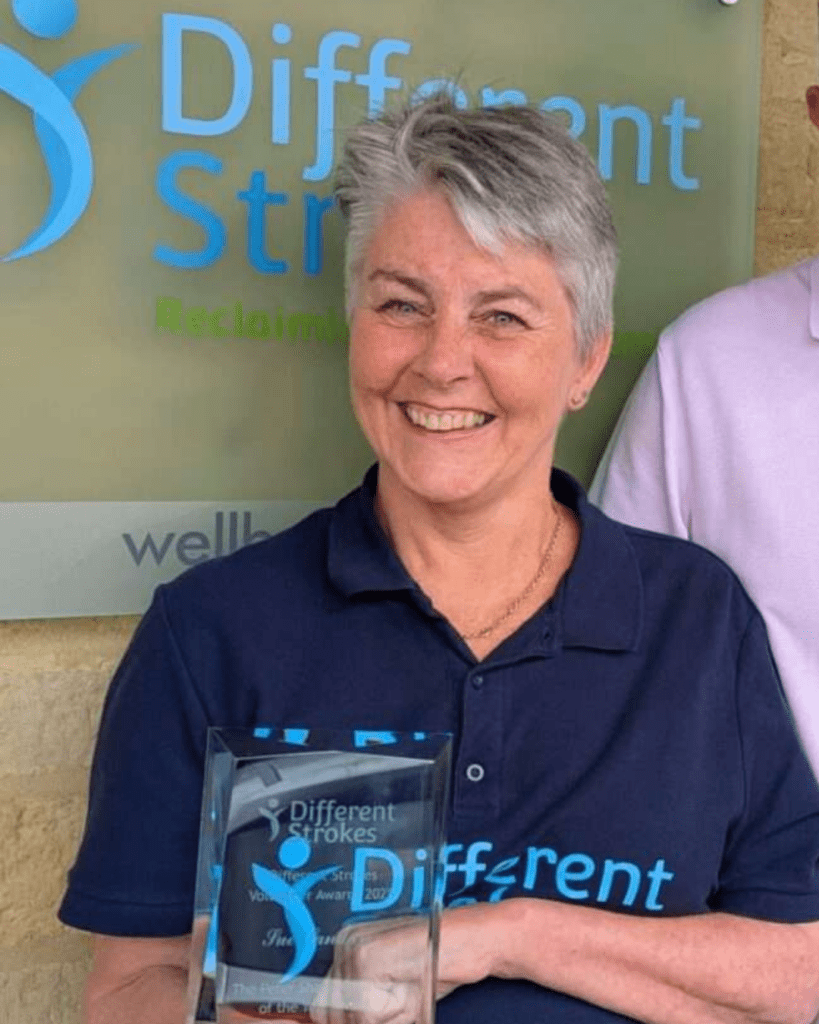
Check out the Different Strokes Bursary on our website to see if you qualify!

Keeping Motivated

Don’t give up! Many people in our community have shared that the motivation to keep going with rehab can begin to fade after a couple of years. While it may feel as though your progress is slowing, rehabilitation remains an ongoing process. Continuing with your exercises is key, not only because it helps you move forward, but also because it helps you hold on to the progress you’ve already made. Keeping your body and brain actively engaged really does make a difference over time. Growth and change are still possible many years after a stroke.

Reminder – recovery is ongoing. If you are years into recovery and feel you need support with a particular area – you can go back and access more care.

Peer Support and Community

Joining a support group and connecting with other stroke survivors is invaluable. Different Strokes provides peer support, information, and free exercise sessions for younger stroke survivors, including through our Facebook group, live Zoom sessions, and befriender hours on Instagram. This helps people realise they are not alone and creates a sense of community and mutual encouragement.

Other Organisations that can help:

The NHS provides ongoing medical support and rehabilitation. They can also signpost you towards different kinds of support.

The Stroke Association is a UK charity that provides comprehensive support to people affected by stroke of any age.

The Brain & Spine Foundation provides expert support to people affected by neurological problems.

Headway is the UK-wide charity that works to improve life after brain injury.

Chest, Hear & Stroke Scotland is a Scottish charity that supports people with chest, heart, stroke, and Long Covid.

Join Our Mailing List

This field is for validation purposes and should be left unchanged.
Name
Email(Required)
Would you like to join our postal mailing list to receive physical newsletters in the post twice a year?
Address