Celebrate Jim’s Birthday as he Raises Funds for Different Strokes

At Different Strokes, we are delighted to share an inspiring interview with Jim Currie, a dedicated stroke survivor and the coordinator of the Whitstable Different Strokes Group.

Jim has been an invaluable part of our community for over 17 years, bringing hope and support to many stroke survivors.

This year, as he approaches his 70th birthday on July 26th, Jim is marking this milestone with a series of incredible fundraising challenges to support his local group.

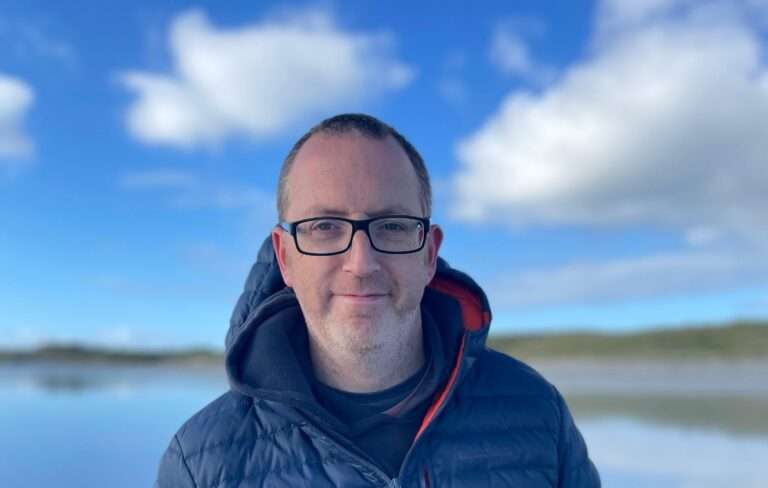
Jim Currie

His journey from a stroke survivor to an advocate and volunteer highlights the  defining spirit of Different Strokes.

We invite you to read about Jim’s experiences, his contributions, and his ambitious fundraising goals.

How long have I been involved in Different Strokes?

I have been involved with Different Strokes, over 17 years. I suffered two strokes in 2006 1st in August and 2nd in November aged 51 years, I was in the middle of training for the New York marathon when I had my first stroke.

What roles have you undertaken as a volunteer in this time?

Besides being a coordinator for Different Strokes support groups, I have been involved with many projects relating to stroke. Some of these projects include:

  • I was on the Bexley Stroke medical round table Commissioning Group.
  • I was a member of the stroke panel for the Princess Royal University hospital when it was to become a HASU.
  • I was one of the first stroke survivors to be on the United Kingdom Stroke Forum (UKSF) which I was a member of for 3 years.

During that three years I was invited to join other projects by members of the forum in various parts of the country and I still do to this day.

I have also been invited to give talks about how it feels to be a stoke survivor and run workshops

What inspired you to become involved in Different Strokes?

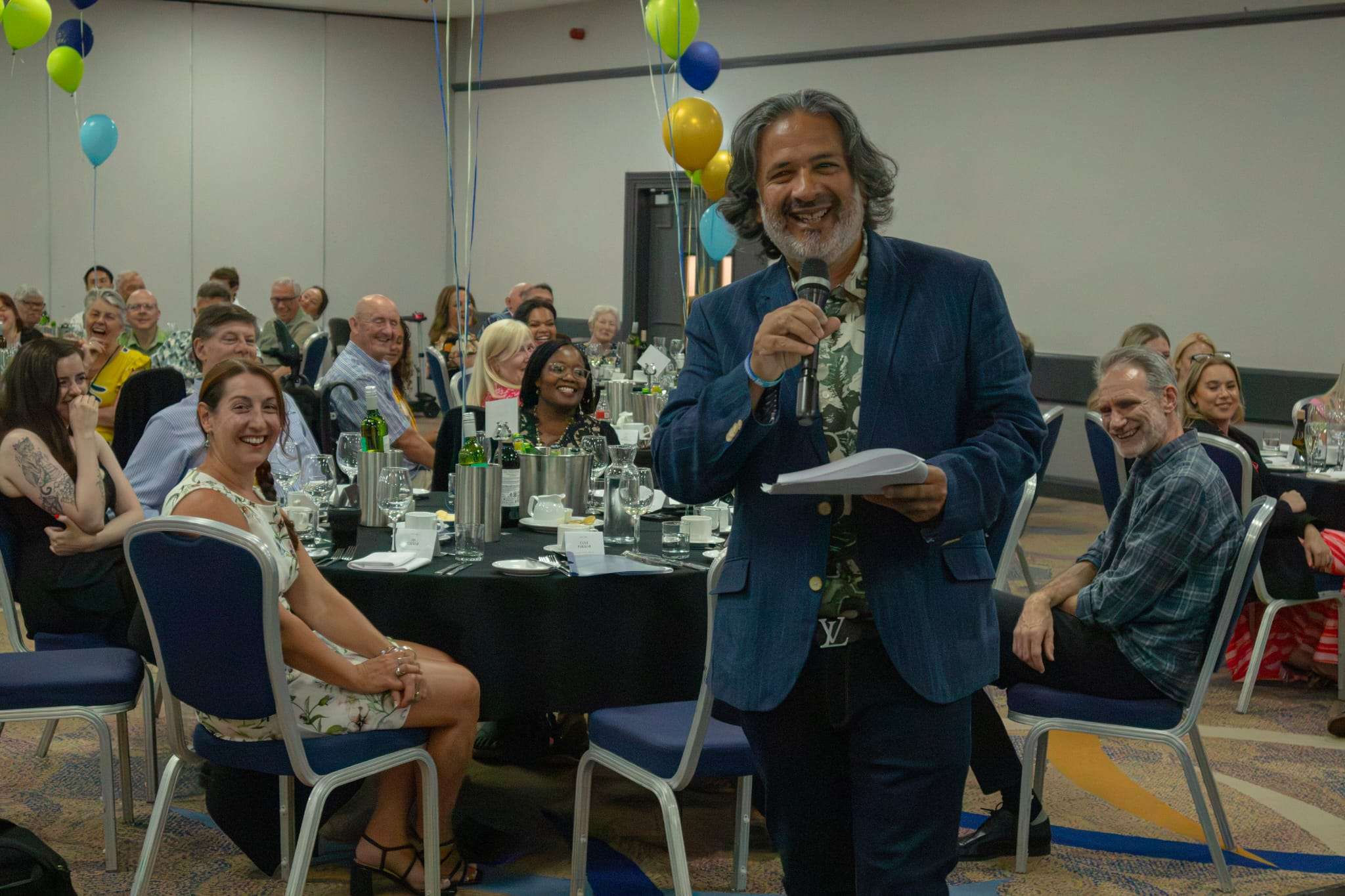
Jim and other members of the Whitstable group members

 I first heard about Different strokes in 2007 from my wife who was told about Different Stroke by one of her work colleagues.

I had a look on their website and thought ‘Yes’ this is a website / group I would happily be able to connect with as other sites I had looked at were not for me.

There were no Different Strokes groups in the area I lived in (Sidcup, South East London). The nearest one was in Central London at the YMCA and the coordinator is Jeffy Wong, so I went along with my wife as I was not able/capable of travelling on my own YET! 

This is where I met the lovely Jeffy and his wonderful group who made me so welcome. Now I realised I was not alone.

I attended the group when I could, but it was a bit of a journey. So I phoned Different Strokes head office and asked why there wasn’t a group in my area, the answer was ‘sorry we just don’t’, but i simply asked ‘can I set one up?’ and they said ‘yes’ – the rest was history! That’s how the London South East group Bexleyheath started, which I was the coordinator for about 10 years along with the help of the fantastic people and their family and friends who supported the group.

I left the group as we were looking to move house to the seaside and we ended up in Tankerton, Whitstable.

On my move to Tankerton I met a few people who had suffered a stroke and through chatting with them I contacted Different Strokes and asked how they felt about me starting another group here in Whitstable and they said ‘yes’.

As most coordinators are aware it is not easy to set up a group as there are a few hurdles along the way but with a bit of determination you can get there, and so the Whitstable group started in the Umbrella Community Centre, Oxford St, Whitstable and meets every 1st and 3rd Thursday of each month from 2-4pm

How did stroke impact your life?

In various ways, my first thoughts were how and why did this happen?

Prior to my first stroke I had never been ill. I had served in the Military and in the Police Service, the ironic part two weeks before my stroke I had a medical check through the police and passed with flying colours, then two weeks later I am in A&E having a stroke and to top it all I was in the middle of training for the New York marathon.

The impact on my life was like most of us traumatic, I had difficulty with my speech, I had a weak right side, my cognitive abilities had been shot to pieces – reading/writing/comprehension/balance/partially sighted/confused/angry/felt alone. 

I wasn’t a nice person to be around my personality had changed I was angry, why did this happen to me. My family took the brunt of this but they could not have been more supportive of me and this I thank them from the bottom of my heart, if it wasn’t for them I don’t know where I would be now.

As a serving police officer I wanted to get back to work that was my goal and after six months I did although I was office bound, it didn’t last I was having difficulties in day to day tasks and then I was off work for nearly year. I went back and found I was still struggling with certain tasks that’s when the realisation came in, it was time to retire which I did.

By this time I had started the Different Strokes group in Bexleyheath. I then made a decision during this time to go to university and study for my master’s degree in Therapeutic Counselling.

 This wasn’t an easy decision and came about on how best I could help others and their families who have had a stroke. 

I was being asked for help / guidance on how to deal with or come to terms with having a stroke and how it affects not just the stroke survivor but their family and friends and so I began a three year counselling  journey. 

Jim at a Whitstable fundraiser

It wasn’t easy and at times I wanted to give up but with the help of my family, friends and my own stubborn determination I succeeded. It’s not what you can’t do it’s what you can.

What’s the biggest rewards of being a group coordinator

I was motivated to start the group after visiting Jeffy’s group and seeing the good that it does.

One of the greatest rewards of being a group coordinator is the stroke survivors you meet from all walks of life and their great determination to get on with their life in the best way they can and to discover talents and skills they never knew they had.

Also, to meet people who with their whole heart want to make a difference for the stroke survivor and the loved ones even at times we think they don’t! It’s what keeps me going. The one thing we should never forget is the unsung heroes our carers.

How significant is fundraising for what you do?

Fundraising is very important for a groups sustainability because we are self funding and we need these funds to keep us going with the great work we do for each other. 

Being involved in fundraising is one way for a group to bond together and to share their ideas and thoughts on how to fundraise you would be surprised at some of the fantastic / crazy ideas that come up from sponsored walks, runs, fashion shows, quizzes, craft work and painting exhibitions along with summer and Christmas craft fairs. 

You will be surprised at how many people will want to help you, all you have to do is ask. You may also have a whizz in the group that can apply for grants from various sources or a member of their family or friend. At the end of the day it has to be fun and to enjoy it.

How does the community respond to your fundraising campaigns?

The community responds very generously to our fundraising efforts either by publicising it on various social media sites, making posters, volunteering to help at an event or donating cash, goods, making items to sell at craft fairs or just wishing us luck.


I mentioned at the beginning, this year I celebrate my 70th birthday and to mark it I have given myself a few wee challenges…1) 10k run (completed in March), 2) Half marathon on 6th July, and 3) 70 mile walk in 7 days 12th July.

What is the importance of raising awareness about stroke and younger stroke survivors?

There are a number of campaigns out there about the awareness of stroke especially on television like the FAST adds but then these adds tale off then there is a lull. What happens next where is the continuity how do we keep it rolling. When was the last time you heard a stroke add on radio?

Or go into your local GP’s surgery and saw a stroke leaflet or poster… in my area they will not allow me to leave leaflets or Different Strokes information posters in any of the surgeries or urgent care centre. Asked why, only if it has an NHS official logo on it! So how do we do it…social media on various platforms, youth groups, sports and leisure centres, faith groups…we have to be inventive not all young people are sitting at home watching TV when the fast add comes on and probably won’t take any notice as some feel it’s not directed at them (older people) If possible getting out there to meet them in their own space (Young stoke champions) Think outside the box. Last but not least clinicians also need to be aware that strokes happen in younger people and not to assume the symptoms they are showing is not a stoke because of their age.

What are you most proud of?

That’s easy, my wife and family and the great, wonderful and colourful people who I have met on my stroke journey.

This includes stroke survivors, their family and friends and the clinicians who have looked after us and for Different Strokes for being there and the great work they do for young stroke survivors

My piece of advice: just don’t give up, push that little bit further and you will be surprised at what you can do.

End of interview

We extend our heartfelt congratulations and deepest gratitude to Jim for his unwavering dedication and remarkable efforts.

His passion for supporting fellow stroke survivors and raising awareness is truly inspiring. Jim’s commitment to fundraising for the Whitstable Different Strokes Group will ensure continued support for stroke survivors through essential activities and resources.

We encourage everyone to support Jim in his endeavors and help make a difference in the lives of younger stroke survivors.

Thank you, Jim, for being an extraordinary ambassador for Different Strokes and for demonstrating the power of perseverance and community.


Facebook
Twitter
LinkedIn
Facebook
X
LinkedIn
Pinterest
Reddit
WhatsApp
Email

Join Our Mailing List

This field is for validation purposes and should be left unchanged.
Name
Email(Required)
Would you like to join our postal mailing list to receive physical newsletters in the post twice a year?
Address