Research shows that stress can increase the risk of a stroke or Transient Ischemic Attack (TIA) up to 59%. In this blog Satinder Sanghera – Stroke Survivor, GP and Different Strokes trustee – looks at stress, how it works and how we can combat it.
Our perception of our world is individual to each of us. You will all have a different experience when reading this post. This also means that we have very individual stress reactions and therefore how you deal with stress will depend very much on you as an individual.
The good news is that like with all habits, through repetition and perseverance we can change our thoughts and perceptions that no longer serve us.
In tackling stress, we must look at different strategies that focus and respond to how you as an individual live your life.
Your stress levels may be affected by many things, which could include:
- Lack of movement.
- Poor diet.
- Disruption of the circadian rhythm.
- Social pressures: feeling oppressed, bullied or misunderstood.
- Personal pressures: self-pressure such as a deep sense of not bettering yourself, not pushing yourself further and thereby lacking self-efficacy.
The way you feel about yourself can heighten stress. There was a study where one group felt victimised at work and another group who did not. All of the groups were injected with a nasal spray containing the cold virus and those who felt more victimised were more likely to succumb to the cold.
The Nervous System
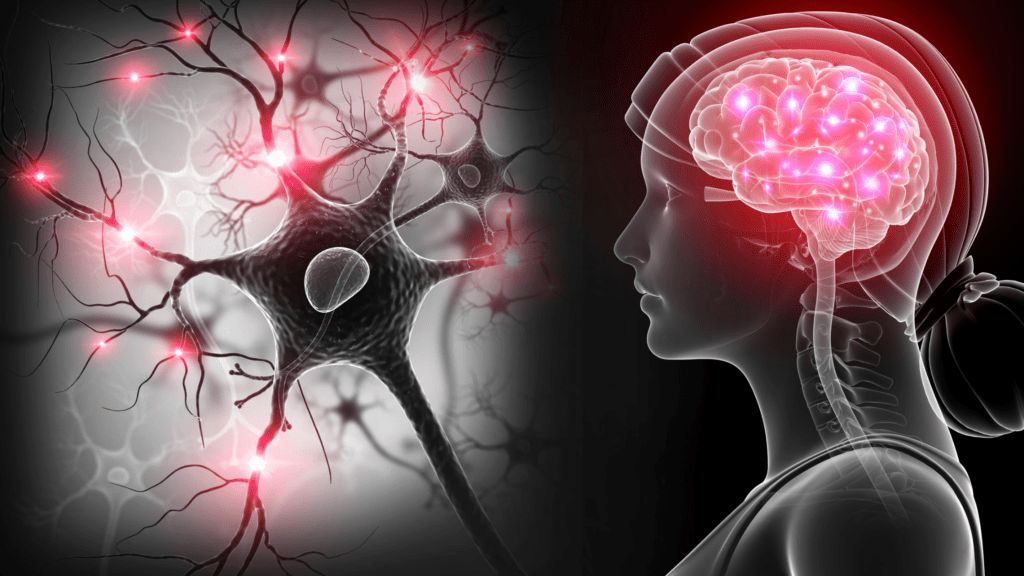
Stress comes about as a result of feeling a loss of control or feeling unsafe. Our Automatic nervous system is flexible and allows us to respond immediately to a stressful situation. This is made up of two components:
In recent years research shows us that stress is recognised as a contributing factor and trigger to many chronic diseases and mental illnesses.
Usually, when our automatic nervous system is triggered, we recognise this as stress and have an immediate response with a raised heart rate and blood pressure, dilated pupils, faster breathing and inflammation; this should then settle once the immediate stress has passed.
Our brain is a prediction machine and tries to model the world into a predictable form, otherwise, the world remains uncertain and unsafe. Our brain creates its own model of the world to keep us safe and thereby reduce uncertainty and danger. Unfortunately, we often cannot or don’t control the uncertainty and can therefore become chronically stressed.
It is difficult to bring the physical and psychological symptoms of chronic stress under control, but we can. Imagine that you are playing a video game where you are driving a car and every time you are anxious the car veers off the road. The only way to get the car back on the road is to reduce your anxiety by pressing the right buttons. Yoga or breathing meditation can help you to identify the buttons and over time you can learn to have control over your autonomic or automatic functions.
A Nervous Planet
There are two fundamental changes to our way of life that have a huge impact on our ability to deal with stress and feel safe.
Daylight and Night
We no longer perceive the certainty and safety of daylight and night.
Before artificial blue and white light, receptors at the back of our eye detected a fall in blue light, therefore we no longer detect the fall in blue light and don’t send the signals which trigger the predictability of night.
The brain thinks that it’s still daylight which creates uncertainty. Melatonin is a natural anti-anxiety agent as effective as drugs for anxiety and is produced naturally at night. Due to the uncertainty, we are producing less melatonin naturally.
Sedentary Lifestyles
We no longer move as much during the day with low to moderate intensity exercise and instead we are generally sedentary with small bursts of high intensity exercise. Every time we move, we lower our stress cortisol levels. If we do not move during the day, we accumulate levels of stress cortisol and by evening, are less alert, creative and paradoxically feel more tired.
Healthy Stress Responses and their Dangerous Long-Term Effects
The impact of chronic stress means that the responses that were originally meant to help us in the short-term, harm us when they become a long-term response.
Raised blood pressure in the short term helps transport more blood to the brain.
Chronic blood pressure increases the risk of many diseases such as heart disease and stroke.
Increased blood clotting will help save your life if you have a bleeding wound, as the bleeding will stop more quickly.
Long term tendency for blood to clot will increase the risk of having a stroke, heart attack or deep vein thrombosis.
Increased insulin resistance in the short term means that your body won’t store any sugar in your liver and muscle cells. It will result in more sugar staying in your bloodstream, which means that more will be available for the brain.
Insulin resistance contributes to the development of type 2 diabetes and high blood pressure.
The body’s resources are directed at making the stress hormone cortisol to help deal with the immediate threat, at the expense of the production of sex steroid hormones, such as oestrogen and testosterone.
Long term diversion of resources to make cortisol will lead to hormonal imbalances and contribute to a wide variety of hormonal issues such as lack of libido and menopausal symptoms.
The body’s resources are directed away from digestion, as this is a non-essential function for survival at that moment. If attention is diverted away from digestion for too long, digestive complaints will result, such as constipation, bloating, indigestion and IBS.
Small amounts of cortisol improve our brain function, which allows it to function better in a short, stressful situation, e.g. performing well in an exam.
Prolonged release of cortisol starts to kill nerve cells in the hippocampus (the brain’s memory centre) and may increase the likelihood of developing Alzheimer’s.
The emotional brain being on high alert to look out for threats is a very good thing if you are in danger.
If this becomes long term, it will make you more prone to anxiety, as you start to worry about everything and see danger when no danger is present.
Short-term inflammation is the result of your immune system firing up to help you deal with the threat and prepares you to recover quickly in case you have a wound that becomes infected.
Inflammation that becomes chronic and unresolved increases your risk of most modern chronic diseases, including type 2 diabetes, heart disease, obesity and many cases of depression.
Developing Healthy Habits to Combat Stress
Routine
Routine
This is so good for us as it creates certainty in the brain and promotes better sleep with more anti-anxiety melanin production.
- It is important to also expose your body and brain to daily natural light.
- Try device-free time especially on waking and at the end of the day. Set your emails to refresh manually, take work emails off your phone. At the weekend try at least two 1-hour periods without your phone and enjoy special moments without the need to always post them
High-Intensity Movement
High-intensity movement
This is good for us in the right context – for example not concentrated into short daily bursts when otherwise sedentary. High-intensity interval training is great for self-efficacy as it makes us feel that can push ourselves further and we need to feel we are improving.
Don’t forget Different Strokes has daily exercise sessions on weekdays which you can watch on Youtube and Facebook which you can watch at any time of day. For more information click HERE.
Meditation & Mindfulness
Meditative breathing
This relaxes muscles releasing tension pressure and with chronic pain – breathing meditation can be used where people want to come off painkillers or find them ineffective.
Mindfulness
Thisis as effective in many forms as antidepressants/anti-anxiety drugs, especially where abuse and past trauma have been present.
- Start your day with mindful meditation or movement mindfulness in the form of stretches and breathing exercises.
- Taking a walk whilst being aware of your surroundings can make you feel alive in the present moment. Be aware of your surroundings and allow your senses to tune in to nature, its sounds, sights and smells.
Practice Gratitude
Keep a Gratitude Journal.
If someone aked you what you’re grateful for, would you know straight away? Could you easily think of the small daily joys, a nice cup or tea, a text from a friend.
The simple habit of reflecting on what you’re grateful for can help to create a happier, more content life. All it takes is a few moments to record your thoughts and all of the things you’re grateful for—big or small.
Look at your diet
Diet
Another research study split two groups with major depression into social support or improved diet group. They noted a 30% remission in the diet group and only 8% remission in the other group after 12 weeks.
Satinder Says Relax...
Relax
Give yourself permission to relax. We are constantly forward planning and measuring everything, competing with ourselves and others from childhood.
It is SO important to normalise your stress levels and get your body to learn what normal cortisol levels feels like by giving yourself protected time to really relax. The positive effects on your hormones can improve good quality sleep, reduce weight, improve your ability to cope, be more resilient, have a more balanced outlook, get less angry or irritable, and concentrate better.
Examples could be having a bath, playing music, singing, relaxing with or without music, painting, dancing, reading a magazine or book, going for a walk or gardening.
Aspects of this post refer to evidence and thoughts from:
Dr Rangan Chatterjee – ‘The Stress Solution’
Dr Mithu Storoni – neurologist neuroscientist ‘Stress Proof’
Additionally, meditation mindfulness coaches Light Walker and Danny Freer and various other neuroscientists and physicians.

Different Strokes celebrates its biggest World Stroke Day campaign yet
Different Strokes has celebrated its biggest World Stroke Day campaign yet, with supporters, volunteers, healthcare professionals and stroke survivors coming together to share vital information and raise awareness of stroke in younger people.

Free webinar: Understanding the Court of Protection, Deputyships and Statutory Wills
Thursday 26th November 2026 | 2pm GMT Planning for the future can feel daunting, particularly when a stroke has affected someone’s ability to make certain

Are you supporting someone after a stroke? Tell us what would help you
Stroke doesn’t just change the life of the survivor. It changes life for the partners, family and friends around them too. That’s why anyone can

Final Call for Bursary Applications
Our Bursary Fund, which has helped stroke survivors access subsidised private physiotherapy and rehabilitation, will soon be closing to new applications. Over the past two
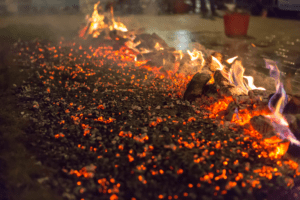
Walk on Fire With Us: Join The Different Strokes Charity Firewalk
Sunday 15th November 2026, Old Saltleians Rugby Club, Water Orton For many stroke survivors, it’s a long walk to recovery, and it takes real strength.
Different Strokes Partners with Cannabis Industry Council for Patient Choice and Quality of Life Broadcast
20 October 2026 | From 11am BST | Live from British Cannabis, Wokingham Different Strokes is proud to be working in partnership with the Cannabis